Understanding Chemotherapy for Breast Cancer: A Comprehensive Treatment Guide
Facts:
- Chemotherapy targets rapidly dividing cancer cells.
- Advances in breast cancer treatment are enhancing patient outcomes.
Navigating Chemotherapy Options for Breast Cancer Treatment
When facing a diagnosis of breast cancer, understanding the available **breast cancer treatment** options is paramount, and among the most vital is **chemotherapy for breast cancer**. This powerful systemic therapy plays a crucial role in eliminating cancer cells throughout the body, reducing the risk of recurrence, and managing advanced stages of the disease. While the prospect of chemotherapy can be daunting, it's essential to recognize its significant advancements and the personalized approaches now available. The decision to undergo **chemotherapy for breast cancer** is carefully considered by a multidisciplinary team, taking into account the cancer's stage, type, and the patient's overall health, aiming for the most effective outcome with managed **chemo side effects**.
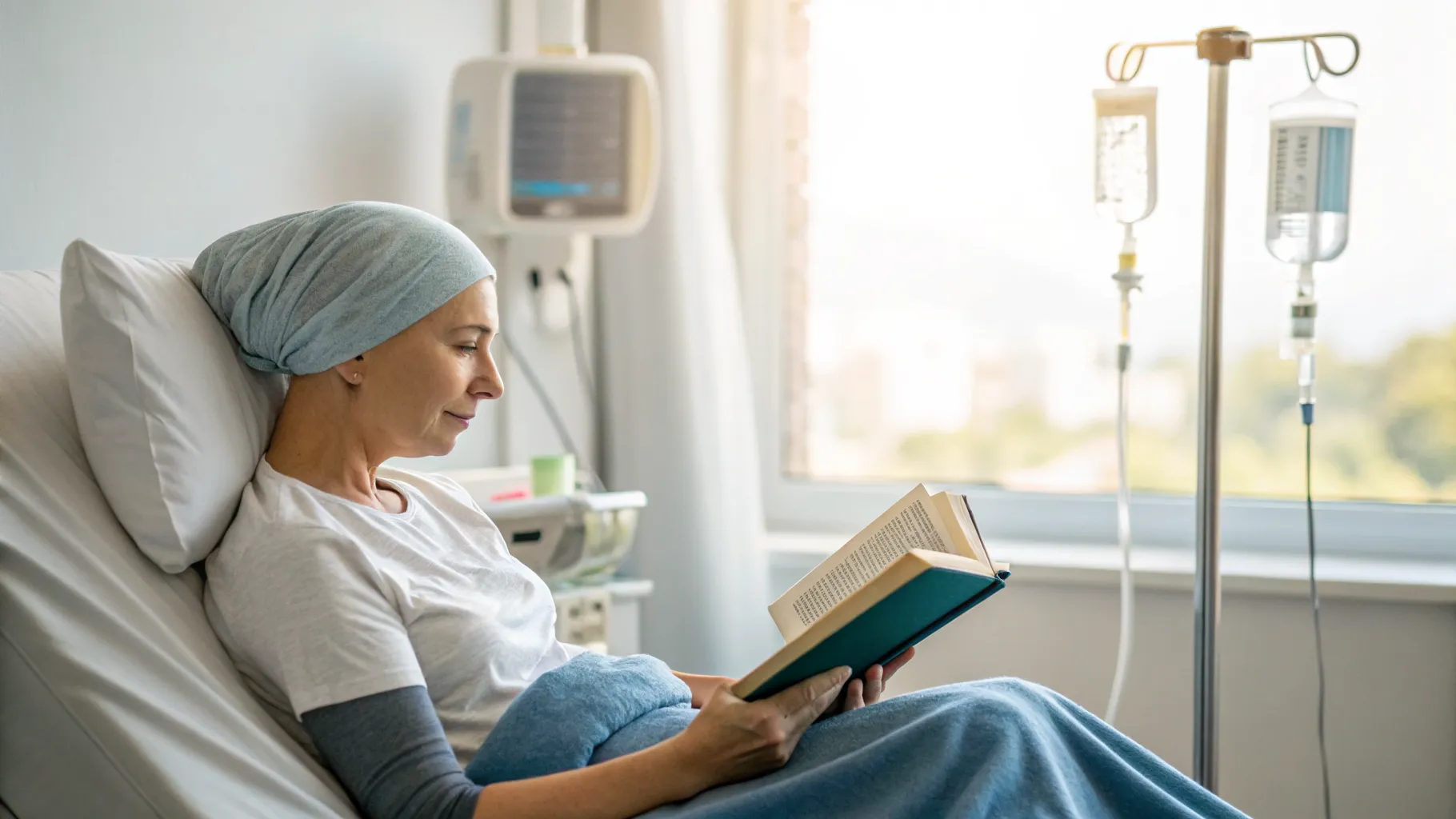
Types of Chemotherapy in Breast Cancer Management
Chemotherapy regimens are highly individualized, depending on the specific characteristics of the **breast cancer treatment** plan. The type of drugs, dosage, and duration are tailored to maximize efficacy while minimizing adverse reactions. Understanding these different approaches can help patients feel more informed about their journey through **chemotherapy for breast cancer**.
Adjuvant Chemotherapy
**Adjuvant chemotherapy** is administered after primary treatments like surgery, with the goal of eradicating any remaining cancer cells that may have spread beyond the breast but are too small to detect. This preventative measure significantly reduces the risk of future recurrence, improving long-term survival rates for many patients. It's often recommended for individuals with higher-risk early-stage **breast cancer treatment**, where there's a greater chance of microscopic disease. The decision for **adjuvant chemotherapy** is based on factors such as tumor size, lymph node involvement, hormone receptor status, and HER2 status, ensuring the treatment is precisely targeted for the patient's specific cancer profile.
Neoadjuvant Chemotherapy
**Neoadjuvant chemotherapy** is given before surgery, serving multiple important purposes. Primarily, it can shrink large tumors, making them easier to remove surgically, potentially allowing for breast-conserving surgery instead of a mastectomy. It also provides an early opportunity to assess how the cancer responds to the drugs, offering valuable prognostic information. For aggressive types of **breast cancer treatment**, such as inflammatory breast cancer or triple-negative breast cancer, neoadjuvant therapy is often a standard approach. Observing the tumor's response to these drugs helps oncologists refine subsequent treatment strategies and predict the likelihood of long-term success.
Chemotherapy for Metastatic Breast Cancer
When breast cancer has spread to other parts of the body, known as metastatic breast cancer, chemotherapy becomes a cornerstone of treatment aimed at controlling the disease, alleviating symptoms, and improving quality of life. The choice of chemotherapy drugs for metastatic disease is often guided by previous treatments, the specific sites of metastasis, and the patient's overall health status. Unlike adjuvant or neoadjuvant settings, treatment for metastatic **chemotherapy for breast cancer** is often ongoing, with regimens adjusted based on disease progression and tolerance to **chemo side effects**. The goal is to manage the cancer as a chronic condition, allowing patients to live as full a life as possible.
Understanding Common Chemo Side Effects
While **chemotherapy for breast cancer** is life-saving, it can come with a range of **chemo side effects** due to its impact on rapidly dividing cells, both cancerous and healthy. Modern medicine has made significant strides in managing these side effects, allowing patients to better tolerate their **breast cancer treatment**. However, being prepared and understanding what to expect is crucial for effective management and overall well-being during the treatment period.
Common **chemo side effects** include fatigue, nausea, vomiting, hair loss, mouth sores, changes in appetite, and a weakened immune system. Fatigue can be profound, often persisting beyond the treatment cycle. Nausea and vomiting are now largely preventable with advanced antiemetic medications. Hair loss is often temporary but can be one of the most visible and emotionally challenging side effects. Patients may also experience peripheral neuropathy, a tingling or numbness in the hands and feet, which can be persistent. It is vital for patients to communicate openly with their healthcare team about any symptoms they experience, as many side effects can be mitigated or managed effectively with supportive care and medication adjustments.
Less common but more serious **chemo side effects** can include heart problems, kidney damage, or nerve damage. The medical team continuously monitors patients for these potential complications, conducting regular tests and assessments. Open communication with the care team is essential to address any emerging concerns promptly. The focus is always on balancing the efficacy of the **chemotherapy for breast cancer** with the patient's safety and quality of life.
Personalizing Breast Cancer Treatment: Beyond Chemotherapy
The landscape of **breast cancer treatment** is continually evolving, moving towards highly personalized approaches. While **chemotherapy for breast cancer** remains a powerful tool, it is often part of a broader strategy that includes other targeted therapies designed to exploit specific vulnerabilities in cancer cells. These advancements offer new hope and improved outcomes for many patients.
Role of Targeted Therapies and Immunotherapy
Targeted therapies specifically block the growth and spread of cancer by interfering with specific molecules involved in tumor growth, progression, and spread. For instance, drugs targeting HER2-positive breast cancers have revolutionized treatment for this aggressive subtype. Similarly, hormone therapies block estrogen or progesterone receptors, crucial for hormone-receptor-positive breast cancers. Immunotherapy, a newer frontier, harnesses the body's own immune system to fight cancer cells. These therapies often have different side effect profiles than traditional **chemotherapy for breast cancer** and can be used alone or in combination, depending on the cancer's molecular characteristics. The integration of these advanced therapies with **chemotherapy for breast cancer** represents a significant step forward in tailoring effective and less toxic treatment regimens, moving away from a one-size-fits-all approach and towards precision medicine.
Practical Advice for Patients Undergoing Chemotherapy
- Maintain Good Nutrition: Eating a balanced diet is crucial during **chemotherapy for breast cancer**. Focus on nutrient-dense foods, stay hydrated, and manage any appetite changes or taste alterations with small, frequent meals. Consider consulting a dietitian specializing in oncology for personalized advice.
- Manage Fatigue Effectively: Fatigue is a common **chemo side effect**. Prioritize rest, but also try to incorporate light exercise like walking, if possible, as it can help reduce fatigue. Pace yourself throughout the day, avoiding overexertion.
- Seek Emotional and Psychological Support: A **breast cancer treatment** journey, particularly with chemotherapy, can be emotionally challenging. Connect with support groups, therapists, or counselors. Lean on family and friends, and don't hesitate to seek professional help to cope with stress, anxiety, or depression.
- Communicate with Your Care Team: Be open and honest with your doctors and nurses about all your symptoms and **chemo side effects**. They can offer strategies, medications, or adjustments to your **chemotherapy for breast cancer** regimen to improve your comfort and well-being.
- Prevent Infections: Chemotherapy can weaken your immune system. Practice good hygiene, avoid crowds, and report any signs of infection (fever, chills) to your care team immediately.
Frequently Asked Questions
Is chemotherapy for breast cancer always necessary?
No, **chemotherapy for breast cancer** is not always necessary. The decision depends on various factors including the stage and type of cancer, hormone receptor status, HER2 status, and lymph node involvement. For some early-stage, low-risk cancers, hormone therapy or targeted therapy alone may suffice as **breast cancer treatment**.
How long does breast cancer treatment involving chemo typically last?
The duration of **chemotherapy for breast cancer** varies significantly. It can range from a few months for adjuvant or neoadjuvant therapies (e.g., 3-6 months) to ongoing treatment for metastatic disease, which might continue for years, with breaks, depending on the cancer's response and tolerability to **chemo side effects**.
Can I work during chemotherapy for breast cancer?
Many patients continue to work during **chemotherapy for breast cancer**, though it often requires adjustments. The ability to work depends on the intensity of the regimen, the severity of **chemo side effects**, and the nature of your job. Discussing your work situation with your employer and healthcare team is crucial to find a manageable balance during your **breast cancer treatment**.
References
- National Cancer Institute. (n.d.). Breast Cancer Treatment (PDQ®)–Patient Version.
- American Cancer Society. (n.d.). Chemotherapy for Breast Cancer.
- Mayo Clinic. (n.d.). Breast cancer: Chemotherapy.
- UpToDate. (n.d.). Patient education: Chemotherapy for breast cancer (Beyond the Basics).
Authored by MyTrendSpot team