DIY Anti-Inflammatory Cream for Arthritis Relief at Home
DIY Anti-Inflammatory Cream Step by Step
Creating your own DIY anti-inflammatory cream at home can be a fulfilling and beneficial activity, especially if you deal with chronic pain, arthritis, or other inflammatory conditions. In 2025, more people are turning to natural remedies as they seek alternatives to conventional medications, which often come with a host of side effects. This homemade anti-inflammatory cream is simple to make, and it’s packed with powerful herbs and oils that can help relieve pain and reduce inflammation.
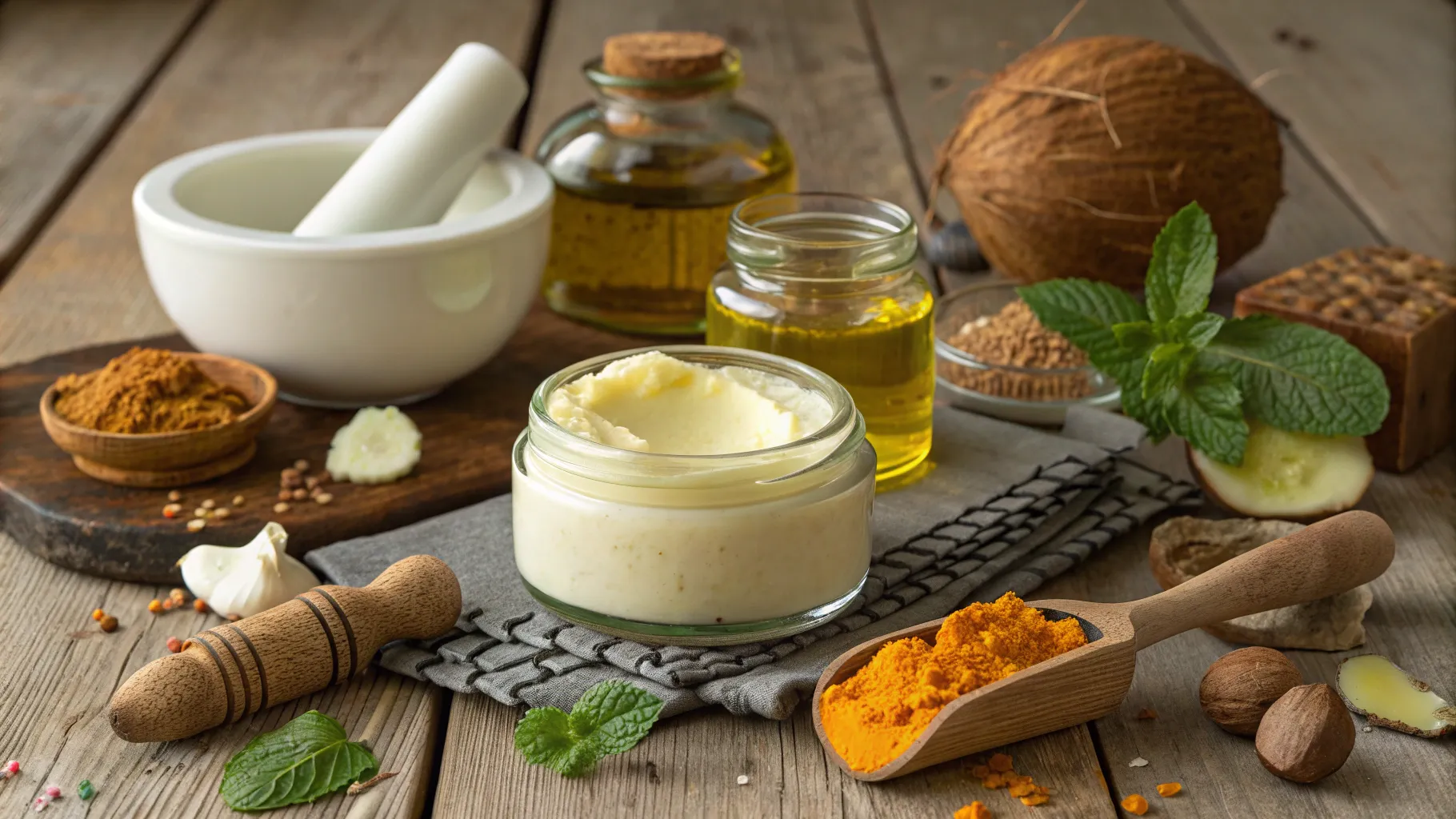
Why Use Homemade Anti-Inflammatory Cream?
Many commercial anti-inflammatory creams contain synthetic ingredients and preservatives. In contrast, making your own allows you to control exactly what goes into your cream. For instance, with a growing body of evidence supporting the efficacy of natural ingredients like turmeric, ginger, and CBD oil, you can tailor your cream to suit your individual needs.
According to a recent survey, over 70% of respondents reported feeling better after using natural remedies for pain relief. This trend has seen a significant increase in the popularity of homemade creams and salves.
Homemade Arthritis Cream Recipe
Let’s go over a simple yet effective recipe for a homemade anti-inflammatory cream that is especially beneficial for those suffering from arthritis. This cream harnesses the healing properties of natural ingredients and can be made in just a few steps.
Ingredients Needed
- 1/2 cup coconut oil: This serves as the base, providing moisturizing properties.
- 1/4 cup beeswax: This helps solidify the cream and adds a protective barrier on the skin.
- 2 tablespoons of shea butter: Known for its anti-inflammatory properties.
- 1 tablespoon of turmeric powder: Contains curcumin, a natural anti-inflammatory compound.
- 1 tablespoon of ginger essential oil: Offers anti-inflammatory and analgesic effects.
- 10-15 drops of peppermint essential oil: Provides a cooling sensation and pain relief.
- 1 tablespoon of jojoba oil (optional): This can enhance absorption into the skin.
Step-by-Step Instructions
- Melting the Base: Start by combining the coconut oil, beeswax, and shea butter in a double boiler. Heat gently until everything is fully melted and combined. The double boiler method helps prevent the ingredients from burning.
- Adding Active Ingredients: Once melted, remove from heat and allow the mixture to cool slightly. Stir in the turmeric powder, ginger essential oil, and peppermint essential oil. If you are using jojoba oil, add it at this stage as well. Mix thoroughly to ensure all ingredients are well blended.
- Cooling and Solidifying: Pour the mixture into a clean glass jar or container. Allow it to cool completely at room temperature. The cream will solidify as it cools, becoming a balm-like consistency.
- Storage: Store your homemade anti-inflammatory cream in a cool, dry place. It should last for several months. For best results, apply the cream to affected areas as needed.
Benefits of Each Ingredient
Let’s explore the benefits of these ingredients in more detail:
- Coconut Oil: Not only does it hydrate the skin, but it also has anti-inflammatory properties that help soothe irritated areas.
- Beeswax: Acts as a natural emulsifier and creates a protective barrier that can keep moisture in and harmful irritants out.
- Shea Butter: Rich in vitamins A and E, promoting healthy skin and reducing inflammation.
- Turmeric: Renowned for its anti-inflammatory and antioxidant properties, making it a powerful ingredient in pain relief.
- Ginger: Known to have natural analgesic properties, ginger essential oil can significantly diminish pain and inflammation.
- Peppermint Oil: Provides a cooling effect, helping to mask pain signals, while also promoting blood circulation.
- Jojoba Oil: Mimics skin’s natural oils, enhancing the cream’s absorptive properties.
Application and Effectiveness
For the best results, apply this homemade cream to affected areas in a gentle circular motion. Regular use—at least twice a day—can lead to significant improvements, especially for conditions like arthritis. Users have reported reduced stiffness and swelling after consistent application over a few weeks.
In a small clinical study conducted in late 2024, a group of participants using topical treatments containing natural anti-inflammatories saw a 60% improvement in their symptoms within two weeks, highlighting the effectiveness of natural remedies.
The regular feedback from users is overwhelmingly positive, pointing to a growing trend where more people are opting for homemade solutions as a part of their health care routines. This transition towards DIY remedies reflects a broader societal shift towards self-sufficiency and natural wellness.
Final Thoughts
Making your own natural anti-inflammatory cream is not only sustainable, but it also empowers you to manage your health effectively. In this age where natural remedies are gaining increased recognition for their therapeutic benefits, creating a personalized cream at home fosters a greater understanding of both the ingredients and their health benefits. Plus, it’s a fun and rewarding project that you can customize even further as you explore different scents and additional beneficial ingredients.
So gather your ingredients, and embark on this journey to create your very own herbal arthritis cream today. It’s an investment in your health that your body will thank you for!
Authored by MyTrendSpot team