Enhancing Overnight Rail Security Positions in the United States
Fast Facts:
- U.S. freight railroads move 1.7 billion tons of goods annually.
- Security incidents show a rising trend in cargo theft, impacting national supply chains and requiring robust overnight rail security.
The Crucial Role of Overnight Rail Security Operations
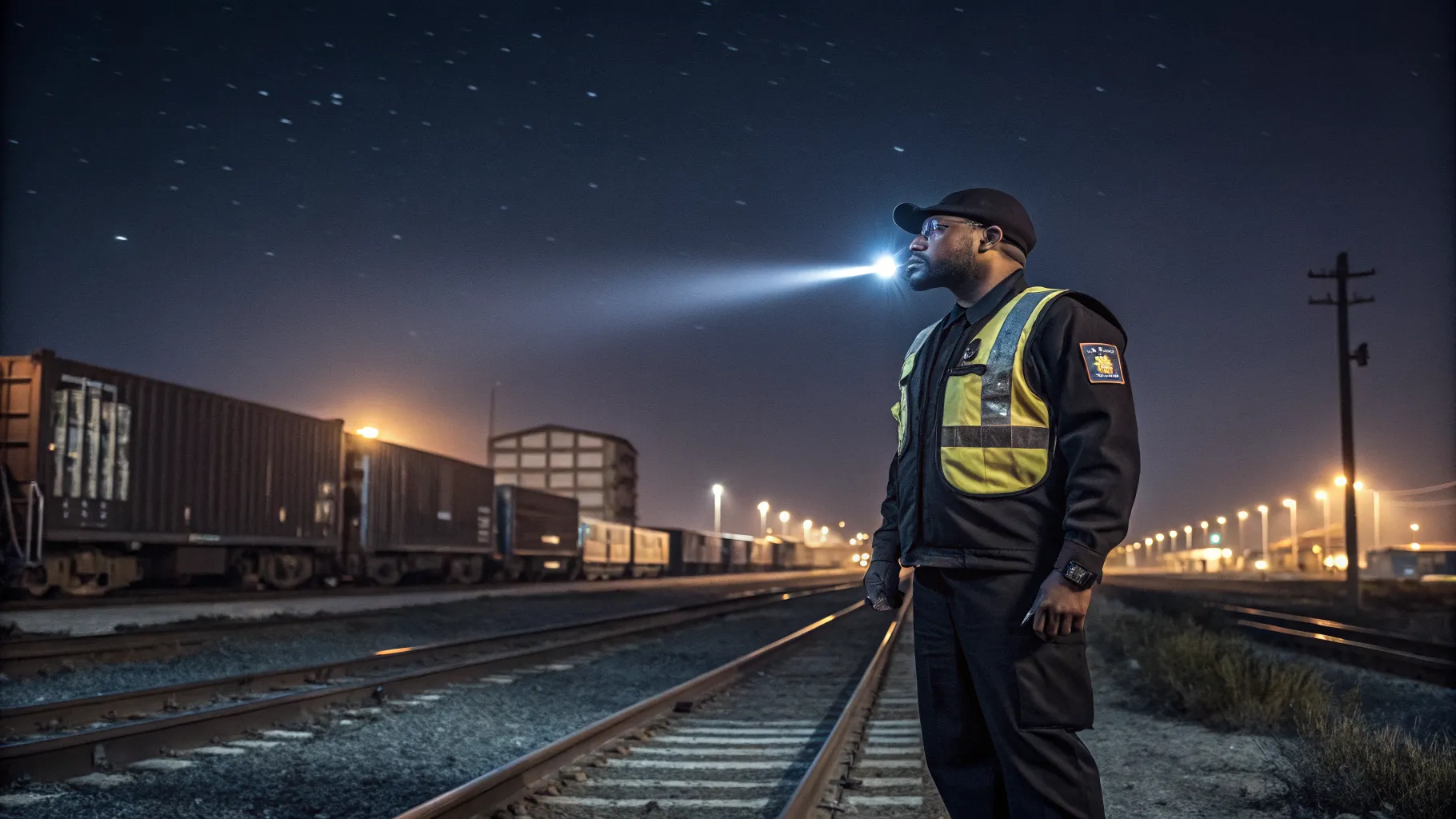
In the vast network of the United States' transportation infrastructure, the operations conducted under the cloak of darkness are paramount, particularly concerning rail lines. Overnight rail security positions are not merely about surveillance; they encompass a comprehensive strategy for protecting vital assets, preventing theft, and ensuring the uninterrupted flow of goods across the nation. These roles are critical in deterring criminal activities that often target trains and rail yards during non-peak hours, when visibility is low and the opportunities for illicit activity increase. The complexity of these operations demands highly trained personnel capable of adapting to various scenarios, from preventing trespassing to responding to potential acts of sabotage or vandalism. The effectiveness of these security measures directly impacts the economic stability and national security, making the dedicated focus on overnight rail security an indispensable component of modern logistics and defense.
Understanding the Landscape of Overnight Rail Security Challenges
The challenges facing overnight rail security are multifaceted and constantly evolving. These include vast, often remote territories that are difficult to monitor, the sheer volume of freight moving across the country, and the ever-present threat of organized crime. Vulnerabilities range from unprotected cargo containers to rail lines passing through sparsely populated areas, making them ripe targets for theft, vandalism, and even more serious threats to national infrastructure. The nature of these operations requires security personnel to be highly self-reliant and equipped to handle situations without immediate backup. Moreover, the integration of new technologies, while beneficial, also introduces new layers of cyber threats that can compromise security systems, further complicating the landscape for those responsible for protecting rail assets during nighttime hours. Addressing these challenges requires a blend of traditional security practices and innovative, tech-driven solutions.
The Core Responsibilities of Railroad Police
The role of railroad police is distinct and highly specialized, operating under unique jurisdictional authorities that often cross state lines. These officers are sworn law enforcement personnel with the power to arrest, investigate, and enforce laws on railroad property and adjacent areas impacted by rail operations. Their responsibilities extend far beyond simple patrol duties; they are actively involved in preventing cargo theft, investigating trespassing incidents, enforcing hazardous materials regulations, and collaborating with local, state, and federal agencies on larger security initiatives. Training for railroad police is rigorous, often including specialized courses in railway operations, hazmat response, and counter-terrorism, preparing them for the unique threats associated with the rail environment. During overnight shifts, their proactive presence is a primary deterrent, ensuring that critical infrastructure remains safe and secure, and that all rail safety protocols are strictly adhered to.
Implementing Advanced Technologies for Freight Train Security
Modern freight train security relies heavily on the integration of advanced technologies to augment human vigilance, particularly during vulnerable overnight periods. High-definition surveillance cameras equipped with night vision and thermal imaging capabilities are strategically placed in rail yards and along critical segments of tracks. Drones with enhanced imaging systems provide aerial reconnaissance over vast areas, offering a rapid response to suspicious activities that might otherwise go unnoticed. Furthermore, sophisticated data analytics and AI-powered monitoring systems can detect unusual patterns or anomalies in train movements or cargo integrity, alerting security teams to potential threats before they escalate. GPS tracking on containers and locomotives provides real-time location data, invaluable for theft recovery and incident response. These technological advancements not only enhance surveillance capabilities but also improve the efficiency and effectiveness of security personnel, allowing them to focus on high-priority threats and proactively address vulnerabilities in overnight rail security.
Strategies for Effective Critical Infrastructure Protection on Railways
Protecting rail systems as critical infrastructure protection involves a multi-layered approach combining physical, operational, and cyber security measures. Physical security includes robust fencing, controlled access points, and advanced lighting systems around rail yards and critical facilities. Operational strategies focus on stringent access control for personnel, comprehensive background checks, and continuous training programs that emphasize threat awareness and emergency response. Collaboration with intelligence agencies helps assess and mitigate potential threats from organized crime or terrorist activities. Furthermore, cybersecurity measures are crucial to protect the digital systems that manage train operations, signaling, and communications from potential hacks. The goal is to create a resilient security posture that can withstand a range of threats, ensuring the continuity of essential rail services. These strategies are especially vital during overnight hours when vulnerabilities might be exploited, making proactive critical infrastructure protection a continuous priority.
Developing Robust Rail Safety Protocols and Emergency Response
Effective rail safety protocols are the bedrock of reliable rail operations, particularly for overnight rail security. These protocols encompass everything from routine inspections and maintenance to detailed emergency response plans for various scenarios, including derailments, hazardous material spills, and security breaches. Comprehensive training programs ensure that all personnel, from engineers to security officers, understand and can execute these protocols flawlessly. Regular drills and simulations are conducted to test the efficacy of emergency plans and identify areas for improvement. Communication systems are designed to be redundant and resilient, ensuring that critical information can be shared instantly between security teams, operational control centers, and external emergency services. The constant refinement of these protocols, based on incident analysis and evolving threat assessments, is essential for maintaining the highest standards of safety and security across the entire rail network, minimizing risks and ensuring quick, coordinated responses to any incident.
Comparison of Security Approaches: Private vs. Public Partnerships
The landscape of overnight rail security often involves a complex interplay between private railroad security forces and public law enforcement agencies. Private railroad police, often highly specialized and possessing unique jurisdictional powers, are typically focused solely on railroad assets, personnel, and operations. They have an intimate understanding of the vulnerabilities and specific threats to rail infrastructure. In contrast, public law enforcement agencies (local, state, federal) have broader mandates and jurisdiction, but may lack the specific expertise in rail operations. Effective freight train security and critical infrastructure protection often thrive on robust partnerships between these two entities. This collaboration ensures that resources are optimized, information is shared efficiently, and responses to incidents are coordinated. While private security can provide immediate, specialized deterrence and investigation, public agencies offer broader investigative resources, criminal intelligence, and the ability to pursue cases beyond railroad property. The most successful models integrate both, leveraging their respective strengths to create a comprehensive and impenetrable security net, especially crucial for continuous overnight rail security.
Actionable Advice for Aspiring Rail Security Professionals
- Obtain Relevant Education and Certifications: Pursue degrees in criminal justice, security management, or related fields. Specialized certifications in transportation security, hazardous materials, or counter-terrorism will significantly enhance your candidacy for overnight rail security roles.
- Gain Law Enforcement or Military Experience: Many railroad police and security positions prefer or require prior experience in law enforcement, military service, or private security. This foundational experience provides essential skills in vigilance, discipline, and incident response.
- Understand Rail Operations: Familiarize yourself with the intricacies of railway systems, including track layouts, signal systems, and train handling. A deep understanding of the operational environment is crucial for effective security planning and response.
- Develop Strong Observational and Communication Skills: During overnight shifts, the ability to observe subtle anomalies and communicate effectively with team members and external agencies is paramount. Training in surveillance techniques and conflict resolution is highly beneficial.
- Stay Current with Technology: The security landscape is constantly evolving. Continuously learn about new security technologies, such as advanced surveillance systems, drone operations, and data analytics, which are becoming integral to modern freight train security.
- Prioritize Physical Fitness and Mental Resilience: Overnight rail security can be physically demanding and mentally challenging. Maintaining good physical condition and developing strong mental resilience are essential for handling high-stress situations and long shifts effectively.
Frequently Asked Questions
What are the primary challenges for overnight rail security?
The primary challenges include the vast and often remote geographical areas to patrol, the cover of darkness which aids illicit activities, limited visibility and response times in isolated locations, and the persistent threat of theft, vandalism, and potential sabotage to extensive rail networks and cargo. Maintaining vigilance over such a large and complex infrastructure during non-peak hours requires significant resources and strategic deployment.
How does railroad police training differ from standard law enforcement?
Railroad police training is highly specialized, building upon foundational law enforcement skills with specific knowledge of railroad operations, unique jurisdictional laws pertaining to rail property, hazardous materials handling in a rail context, and specific threats to rail infrastructure. They learn about train dynamics, track safety, and are trained to respond to incidents unique to the railway environment, making their expertise distinct from general municipal policing.
What technologies are most effective for freight train security?
Most effective technologies include high-definition cameras with night vision and thermal imaging, remote sensor networks to detect unauthorized entry, GPS tracking for both locomotives and cargo, drone surveillance for aerial monitoring, and AI-powered analytics platforms that can identify suspicious patterns in real-time. These tools significantly enhance the capabilities of overnight rail security personnel.
References
- Federal Railroad Administration (FRA) Security Division Guidelines
- Association of American Railroads (AAR) Security Best Practices
- Department of Homeland Security (DHS) Critical Infrastructure Protection Handbooks
- Journal of Transportation Security Research Papers
- Railway Age Magazine Industry Reports
Authored by MyTrendSpot team