Police auction heavy duty construction gear available: An overview of government surplus liquidation processes
Government agencies and local police departments regularly facilitate the liquidation of surplus and seized assets through public auctions 1. These events often include heavy-duty construction gear, ranging from earth-moving machinery to specialized transport vehicles, which are made available to the public as agencies update their fleets or process legal seizures 2. Understanding the mechanics of these sales is essential for potential participants, as the process differs significantly from standard retail or dealer-based transactions 3.
Understanding Government and Police Auction Dynamics
Public auctions for construction equipment are structured to ensure transparency and equitable access to government property 4. Agencies, such as local police departments or municipal public works offices, utilize professional auction houses or dedicated online platforms to manage the sale of their excess inventory 5. These items typically include surplus equipment from departments of transportation or items recovered through legal proceedings, creating a secondary market where contractors and private entities can acquire functional industrial gear 6. The competitive nature of these auctions often results in a time-sensitive bidding process, frequently managed through online portals where specific end-times are set for individual lots 7.
Key Inventory and Equipment Categories
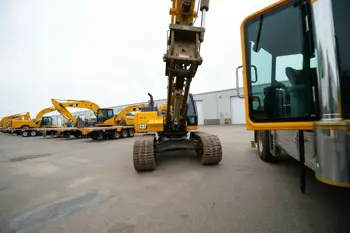
The variety of equipment available in these auctions is extensive, reflecting the diverse operational needs of public agencies 8. Common listings often feature essential construction assets such as skid steers, backhoes, and excavators, alongside heavier machinery like motor graders, rollers, and articulating dumpers 9. Furthermore, supporting infrastructure equipment such as generators, air compressors, and welding gear are frequently included in these consignments 10. Because these items are sourced from municipal fleets or government seizures, the maintenance history and operational condition can vary greatly, necessitating careful scrutiny of provided descriptions and lot details 11.
| Equipment Category | Common Examples |
|---|---|
| Earth Moving | Excavators, Dozers, Skid Steers |
| Road Maintenance | Motor Graders, Vibratory Rollers, Asphalt Distributors |
| Transport & Support | Dump Trucks, Flatbed Trailers, Generators |
The Role of Inspection and Asset Verification
A critical component of participating in government and police auctions is the inspection process. Because the vast majority of items are sold on an as-is, where-is basis, the burden of verification rests entirely on the bidder 12. Many auction organizers provide specific preview days where the public can physically inspect the machinery at designated yards before the auction closes 13. During these windows, prospective buyers are expected to assess the mechanical integrity and operational status of the units. When physical inspection is not possible, reviewing the provided documentation, such as service logs or serial-specific maintenance records, becomes a primary risk mitigation strategy 14.
Regulatory Oversight and Participation Requirements
Participation in these auctions requires compliance with specific institutional requirements 15. Users are generally required to register on the designated auction platform, which may involve providing tax documentation or valid identification, particularly for high-value items or those requiring registration for on-road use 16. Furthermore, auctions often involve a buyer’s premium, which is a percentage added to the final winning bid, and applicable sales tax, both of which must be factored into the overall budget 17. Understanding these additional costs is crucial for accurate financial planning during the bidding process 18.
Logistical Considerations for Winning Bidders
Winning a bid for heavy-duty equipment does not conclude the transaction; the buyer assumes responsibility for all logistics following the sale 19. This includes the loading, securing, and transportation of the machinery from the auction site to its final destination 20. In many instances, the auction facility will mandate strict collection deadlines, and failure to remove items within these timeframes can lead to storage fees or the forfeiture of the asset 21. Specialized heavy-haul transport is often required for large-scale equipment, and coordinating with third-party logistics providers before bidding can prevent operational delays 22.
Risk Management and Market Friction
Despite the potential to acquire equipment through these channels, market friction and operational risks are prevalent 23. Since government agencies may reject bids if they do not meet minimum recovery targets, the outcome of an auction is not always guaranteed 24. Additionally, the lack of warranties or guarantees on the functionality of the equipment means that unexpected repair costs are a distinct possibility 25. Buyers should weigh these factors against the market value of the equipment and ensure that they have the internal resources or external support to address potential maintenance requirements upon acquisition 26.
Sources
- Powell Auction and Realty, LLC - Police Seizure and Equipment Auction
- KTNV - Clark County, Las Vegas agencies surplus auction
- GovDeals - Government surplus marketplace
- Public Surplus - Municipal and police auction portal
- GSA Auctions - Federal surplus management
- Municibid - Government fleet liquidations
- Purple Wave - Government-owned equipment auctions
- Ritchie Bros. Auctioneers - Industrial and heavy equipment auctions
- IronPlanet - Specialized inspection reports and assets
- Treasury.gov - Seized assets management
- Bid4Assets - Government seized property and surplus
- TxDOT - State department of transportation auction list
- Dempsey Auction Company - Surplus equipment and business operations
- Alex Lyon and Sons - Aggregate and construction equipment dispersal
- Lost Coast Outpost - Humboldt County public works surplus
- Bar None Auction - Caltrans and government fleet liquidations
Authored by MyTrendSpot team