Easy care travel clothes for women: An Analysis of Fabric Performance and Utility
When selecting a travel wardrobe, the integration of high-performance fabrics and functional design is essential for maintaining a polished appearance while managing the logistical challenges of transit 1. Travelers often prioritize items that offer durability, comfort, and, most importantly, ease of care 2. Understanding the mechanics of these garments allows for more informed decisions when building a capsule wardrobe capable of transitioning from airport environments to professional or social settings 10.
Material Composition and Fabric Performance
Performance in travel clothing is largely determined by its material composition. Synthetic fabrics such as polyester and nylon, often blended with elastane or spandex, are frequently selected for their ability to resist wrinkles and maintain structural integrity during transit 1. These materials are favored for their durability and quick-drying properties, which are beneficial when access to standard laundry facilities is limited 3. For example, OrigamiTech fabric, used in various professional-style travel trousers and dresses, typically incorporates a blend of 90% polyester and 10% polyurethane, providing a lightweight, wrinkle-resistant solution for those seeking a tailored silhouette without the maintenance requirements of traditional fibers 1, 4.
Beyond synthetics, natural fibers like merino wool offer distinct advantages for extended travel. Merino wool is recognized for its temperature-regulating properties and natural moisture management, which assists in keeping the wearer comfortable across various climates 3, 10. Furthermore, its inherent resistance to odors allows for multiple wears between washings, reducing the need to pack large volumes of clothing 3. Combining these fibers with stretch components, such as a 95% rayon and 5% spandex blend, can provide the necessary flexibility for long-duration activities, including sitting on planes or navigating transit hubs 4, 7.
Functional Design Features
The utility of travel-specific clothing often relies on deliberate design choices that enhance wearer comfort and practicality. Elements such as deep, functional pockets provide a secure storage space for travel essentials, reducing the necessity of a secondary bag 5, 6. Many contemporary travel pants are designed with elastic or contoured waistbands, which offer a forgiving fit that adapts to the wearer throughout the day 2, 7. These design features, often combined with a slim or tapered silhouette, allow for a refined appearance that mimics more formal workwear while maintaining the ease of activewear 2, 7.
| Feature | Material/Benefit | Utility |
|---|---|---|
| Wrinkle Resistance | Polyester/Nylon Blends | Maintains professional look |
| Flexibility | 4-Way Stretch/Elastane | Enhances movement |
| Storage | Functional Pockets | Secure passport/card access |
| Maintenance | Quick-dry/Machine Wash | Reduces hotel laundry needs |
Maintenance and Care Requirements
While many travel garments are marketed for their ease of care, strict adherence to manufacturer instructions remains a critical component of garment longevity. The U.S. Federal Trade Commission requires that apparel include specific care labeling, including guidance on washing, bleaching, drying, and ironing 1. Most technical fabrics, such as those made from polyester or nylon, are designed for cold-water machine washing and line drying 1, 4. It is generally advised to avoid fabric softeners, as these can interfere with the moisture-wicking and technical performance properties of the fibers 8.
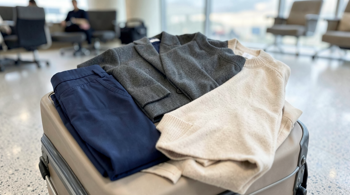
Travelers should also account for minor variations in fabric behavior. For instance, certain high-quality technical jerseys may require pre-washing before initial alterations, as minor shrinkage can occur even with synthetic-heavy blends 1, 4. Items labeled as wrinkle-resistant generally perform best when folded or rolled carefully; however, they are not impervious to heavy creasing under extreme pressure. Maintaining a consistent wash routine based on the provided labels ensures that garments retain their intended shape and aesthetic quality throughout the duration of a trip 8.
Structuring a Travel Capsule
Building an effective travel capsule involves selecting versatile pieces that can be layered to accommodate fluctuating temperatures. Lightweight layers, such as cardigans or technical blazers made from jerseys that resist wrinkling, provide modularity without excessive bulk 8. Neutral colors and classic patterns are standard recommendations, as they conceal minor stains and simplify the process of coordinating outfits 8. When assessing the weight of a garment, travelers should prioritize items that offer high utility relative to their density, ensuring that every piece serves multiple functions within the wardrobe 2.
The integration of specialized pieces, such as a shift dress that functions as both a day and night garment or trousers that move between athletic and formal aesthetics, is a common strategy for reducing luggage volume 4, 5. By focusing on items that offer 4-way stretch and rapid drying times, travelers can create a rotation that requires minimal intervention while away from home 3, 6. Evaluating the opacity and weight of the material before purchase is also recommended to ensure the clothing is appropriate for the intended destination’s climate and cultural norms 8.
Regulatory Oversight and Standards
Consumer protections in the apparel industry are governed by labeling regulations that mandate transparency regarding fiber content and care instructions. These standards are designed to provide the consumer with clear expectations regarding how to treat a garment to maintain its performance characteristics 1. Manufacturers of technical travel clothing often leverage these standards to communicate the longevity of their products, highlighting features such as colorfastness, seam durability, and performance-fabric stability 9. Understanding these regulatory requirements helps consumers distinguish between standard fashion items and true performance travel wear.
Market Trends in Technical Apparel
The market for women's travel clothing has shifted toward garments that prioritize both functionality and a sophisticated aesthetic. This trend is visible in the widespread adoption of technical jersey fabrics which possess the look of traditional suiting but the comfort of activewear 6, 7. Retailers and industry experts consistently highlight that the goal of modern travel wear is to remove the friction associated with transit, allowing the traveler to focus on their journey rather than the maintenance of their clothing 10. Ongoing developments in textile technology continue to enhance the breathability and stretch capabilities of these garments, further narrowing the gap between lifestyle clothing and performance gear 2.
Sources
- Federal Trade Commission: Consumer Product Care Labeling Rule
- REI: Expert Advice on Travel Clothing Selection
- The Woolmark Company: Benefits of Merino Wool
- M.M.LaFleur: Product Specifications for OrigamiTech Fabrics
- Patagonia: Capilene Cool Daily Product Features
- UNIQLO: AIRism Collection Technical Overview
- Athleta: Brooklyn Collection Design Philosophy
- Bluffworks: Women's Travel Clothing Standards
- prAna: Travel Clothing Performance Characteristics
- Travel + Leisure: Guide to Building a Functional Travel Wardrobe
Authored by MyTrendSpot team