Easy Home Treatments for a Quiet Night's Rest: An Evidence-Based Overview of Non-Medical Approaches
For millions of individuals, achieving consistent, high-quality sleep remains a persistent challenge that can impact daily functioning, mood, and long-term health outcomes 1. With over 60 million Americans reporting poor sleep quality, the search for non-medical, accessible strategies has become a priority for many seeking to improve their nocturnal rest 1. Rather than relying on immediate pharmaceutical solutions, many experts point toward habit-based adjustments and environmental modifications that signal to the nervous system that it is time to transition into a restorative state 1.
Physiological Impacts of Evening Rituals
The nervous system plays a critical role in the transition from wakefulness to sleep. The vagus nerve, which serves as the primary pathway for the parasympathetic nervous system, can be stimulated through intentional practices to shift the body away from sympathetic dominance 4. Techniques such as extended exhale breathing, where the exhale is lengthened to between six and eight seconds, have been shown to increase heart rate variability and lower resting cortisol levels within minutes of practice 4. Consistency is a key factor, with research suggesting that daily implementation of such exercises over a period of four to eight weeks can improve baseline vagal tone 4.
Beyond breathing, other sensory-based techniques can facilitate a state of calm. Cold water face immersion, which triggers the natural dive reflex, and vigorous gargling are recognized as methods to activate vagal motor fibers in the larynx and pharynx 4. These activities require no specialized equipment and can be performed as part of a pre-bedtime routine to reduce the time required for sleep onset and increase the proportion of slow-wave sleep cycles experienced during the night 4.
Nutritional Approaches to Supporting Sleep
Dietary choices in the hours preceding sleep can influence the body's ability to maintain a healthy circadian rhythm 1. While scientific evidence varies, certain food and drink items are frequently cited as supportive adjuncts to a sleep-hygiene plan 1. For instance, warm milk is traditionally associated with the ingestion of substances that may mimic the effects of tryptophan, a precursor to serotonin, which is essential for the sleep-wake transition 1. Similarly, chamomile tea is believed to contain flavonoids that may interact with benzodiazepine receptors in the brain to promote relaxation 1.
Tart cherry juice has also garnered attention in the wellness sector as a potential sleep aid due to its natural composition 2. It contains melatonin, the hormone responsible for regulating sleep-wake cycles, and tryptophan, which supports the body's internal production of serotonin 2. Furthermore, tart cherries contain specific enzymes that may increase the duration that tryptophan remains active within the system 2. Although rigorous, large-scale studies are still emerging, early observations suggest that these natural compounds may assist individuals in falling asleep sooner and maintaining sleep for a longer duration 2.
Managing Cognitive and Physical Tension
Restlessness is often a product of overstimulation, manifesting as a racing mind or physical tension that remains even when the body is fatigued 6. To combat a racing mind, grounding techniques such as the 5-4-3-2-1 method can be highly effective in redirecting focus 9. By identifying five things visible, four things touchable, three things audible, two things smellable, and one thing tastable, individuals can engage the senses to interrupt cycles of anxiety, effectively activating the parasympathetic nervous system in three to five minutes 9.
Physical tension can be addressed through intentional, low-effort routines that do not require complex equipment. Practices such as a warm Traditional Chinese Medicine foot bath have been utilized for centuries to balance the body's energy 8. By soaking the feet in warm water, blood circulation is improved, which in turn draws energy and heat away from the brain and toward the lower body, aiding in a smoother transition to sleep 8. This practice helps to re-balance yin and yang, effectively settling the body after a day of stressors 8.
Environmental and Scheduling Foundations
The environment in which an individual sleeps plays a fundamental role in the quality of their rest. Maintaining a room temperature between 60 and 67 degrees Fahrenheit is often recommended to support the body's natural nocturnal cooling cycle 10. Furthermore, minimizing exposure to blue light from electronic devices at least one hour before bed is essential, as blue light is known to suppress melatonin production, thereby delaying sleep onset 10. Consistent bedtime and wake-up times further reinforce the body's internal clock, creating a predictable rhythm that makes falling asleep more reliable 10.
| Technique | Primary Mechanism | Goal |
|---|---|---|
| Extended Exhale | Vagus Nerve Stimulation | Lower Cortisol |
| Tart Cherry Juice | Melatonin/Tryptophan | Sleep Regulation |
| 5-4-3-2-1 Grounding | Sensory Engagement | Reduce Anxiety |
| Foot Bath | Circulation/Qi Balance | Physical Relaxation |
The Role of Simplicity in Wind-Down Routines
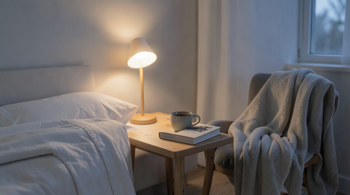
One common pitfall in attempting to improve sleep quality is the tendency to create overly elaborate routines that add to daily decision fatigue. Evidence indicates that the most effective wind-down plans are short, typically lasting between five and thirty minutes, and prioritize comfort over productivity 5. A successful routine should aim to reduce environmental stimulation rather than serve as a self-improvement project 5. Simple actions, such as lowering overhead lights, using a single lamp or candle, and placing digital devices away, can be sufficient to signal to the nervous system that the day is concluding 5.
Attempting to solve all daily problems before bed often leads to a cycle of overthinking, which further exacerbates the inability to sleep 9. A contained, one-hour reset can be more effective than attempting to overhaul one's entire schedule 7. By focusing on reducing, rather than adding, tasks, individuals can address the sensation of being overstimulated yet under-motivated. This approach recognizes that sleep is often not a problem to be forced, but a state of rest that arrives naturally when the body feels secure and the mind is unburdened by the pressures of the day 6.
Summary of Professional Guidance
While various home remedies exist, it remains important to recognize that consistent sleep issues may sometimes be indicative of underlying medical conditions. Healthcare providers emphasize that it is not always necessary to secure a prescription to find relief, as natural adjustments to sleeping habits can yield significant benefits 1. By combining environmental changes, such as white noise usage and temperature control, with physical relaxation practices, many individuals can improve their sleep quality without drug-based interventions 10. Avoiding stimulants like caffeine in the late afternoon and opting for light, daytime activity rather than intense exercise near bedtime are essential components of a balanced, long-term approach to sleep health 10.
Sources
- Johns Hopkins Medicine: Natural Sleep Aids and Home Remedies
- Cleveland Clinic: Tart Cherry Juice Research
- NDTV Health: Honey and Warm Water for Sleep
- Seralene: Vagus Nerve Exercises for Sleep
- BiblioLifestyle: Evening Wind-Down Routines
- TheWellthieone: Natural Sleep Guidance
- BiblioLifestyle: 1-Hour Night Reset
- Healf: Traditional Chinese Medicine Foot Baths
- Amerisleep: 5-4-3-2-1 Grounding Technique
- Sleep Foundation, Harvard Health, Mayo Clinic, and National Institute on Aging: General Sleep Hygiene Research
Authored by MyTrendSpot team