Scratch and dent washing machines: An objective analysis of market standards and consumer considerations
Defining the Scratch and Dent Appliance Market
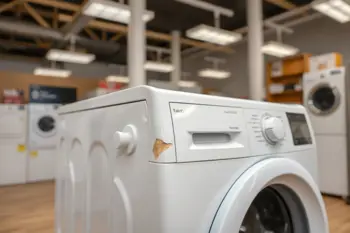
The term scratch and dent describes appliances that have sustained minor cosmetic damage during manufacturing, shipping, or while on the retail floor 1. These units are typically new, unused, and fully functional, but are marketed at a lower price point than pristine counterparts due to visible imperfections such as surface scratches, dents, or packaging damage 1. Consumers often look to these units as a means of acquiring modern, feature-rich laundry technology, such as front-load or top-load washers with advanced cycles, without the full retail price associated with a factory-sealed unit 4.
It is important to understand that retailers categorize these machines based on the severity and location of the damage. In some instances, a unit might have a dent near a detergent drawer or minor scuffs on a side panel that would be hidden once the appliance is installed between other units 7. Because these items are often one-of-a-kind inventory in retail settings, they are frequently found in local appliance stores, clearance centers, or dedicated outlet departments 1, 4.
Performance vs. Cosmetic Condition
A central tenet of evaluating scratch and dent inventory is the absolute separation of aesthetic flaws from operational integrity. A dented outer panel does not inherently signal a malfunctioning motor, water pump, or control board 7. However, prospective buyers should verify that the damage is strictly external 1. If a unit has undergone a heavy impact, internal components could potentially be misaligned, even if the exterior damage appears superficial 1. Professional inspection and documentation of the unit's operational status are standard practices in reputable retail environments 1.
Modern washing machines frequently include complex features such as VRT Plus vibration reduction technology, sanitize cycles, and steam functions 3, 7. When considering a discounted unit, ensure that these specific electronic systems remain intact. The presence of scratches or dents does not typically affect the ENERGY STAR certification or the water-efficiency rating of the appliance, provided the core manufacturing specifications remain untouched 1.
Evaluating Warranty and Protection Plans
One of the most critical aspects of purchasing a scratch and dent washer is the duration and scope of the warranty. Because the damage is cosmetic, many manufacturers still provide their standard one-year warranty on the internal mechanics of the machine 2, 3, 5. Some retailers may augment this with additional store-based coverage, such as a 30-day return policy or extended service agreements that take effect after the initial manufacturer period expires 2, 6.
Buyers should confirm whether the warranty remains valid if the machine is transported to a home outside the retailer's immediate service area. Some independent dealers stipulate that if a unit is taken beyond a certain radius, the owner assumes responsibility for the transport of the unit back to the shop for any necessary repair work 2, 5. Always review the written terms of the warranty to understand what is covered, specifically regarding labor, parts, and whether cosmetic defects are expressly excluded from any future claims 1.
Safety and Recall Verification
Before finalizing any purchase, it is standard practice to verify the safety record of the specific washing machine model. Even if a machine is being sold as a new scratch and dent item, it may be subject to a manufacturer recall due to underlying mechanical or fire safety risks identified after production 1. The U.S. Consumer Product Safety Commission maintains a searchable public database where consumers can check the model and serial number of any appliance to confirm it is not part of an active recall 3.
If a machine is flagged for a recall, it should not be purchased until the appropriate repairs have been certified by the manufacturer. While retailers generally screen their stock, performing an independent check provides an additional layer of diligence. Safety components, such as lid locks and electrical grounding, must be in perfect working order regardless of any discount applied to the unit due to exterior blemishes 1.
Logistics and Installation Considerations
Purchasing an appliance from a scratch and dent inventory often involves different logistics than purchasing a standard stock item. Because these units are frequently sold as-is, delivery and installation services may need to be arranged separately or quoted at the time of sale 2, 5. It is important to confirm that all necessary hardware-such as hoses, transit bolts, and leveling feet-is included with the unit, as these items are sometimes misplaced if the original packaging has been compromised 1.
Additionally, consumers should be aware that retail policies concerning returns for damaged appliances are often more restrictive than those for factory-sealed inventory. Some outlets categorize scratch and dent sales as final, meaning that once the item leaves the store, it cannot be returned unless it is found to have a significant, undisclosed functional defect 1. Thorough inspection upon delivery or pickup is essential to ensure that no further damage occurred during the transit phase 1.
Market Trends and Availability
The availability of discounted laundry equipment varies by region and by the specific supply chain fluctuations of major manufacturers. Larger retailers with physical outlets often cycle through inventory as space requirements dictate, resulting in seasonal fluctuations in the availability of these units 1. The secondary appliance market thrives on word-of-mouth and the reputation of local service providers, making it beneficial to consult with businesses that offer both new and reconditioned options to compare the value of a scratched new unit against a professionally serviced used model 1.
Ultimately, the value proposition of a scratch and dent washer is determined by the balance between the depth of the discount and the longevity of the warranty provided 1. As long as the buyer conducts due diligence regarding the unit's operational health, safety status, and warranty terms, these appliances can offer a practical solution for household laundry requirements 1.
Sources
- General consumer market insights regarding scratch and dent appliances.
- Appliance Solutions MN: Scratch & Dent Inventory Terms and Warranty Information.
- Freezetech USA: Product Specifications and Warranty Documentation.
- Appliance Direct: Retail Inventory Policies and Market Offerings.
- St. Louis Appliance Warehouse: Product Listing and Condition Guidelines.
- Famous Tate: Consumer Buying Guides and Regional Store Policies.
- U.S. Consumer Product Safety Commission: Recall Database for Major Appliances.
Authored by MyTrendSpot team