Gastric balloon procedure overview: A clinical guide to placement, eligibility, risks, and follow-up
A gastric balloon procedure overview is useful for understanding a temporary, nonsurgical weight-loss treatment in which a silicone balloon is placed inside the stomach to promote earlier fullness and smaller portions. The procedure is generally considered alongside diet, exercise, medical supervision, and behavioral support rather than as a permanent treatment for obesity. 1
What the procedure is designed to do
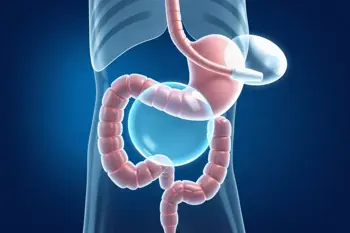
An intragastric balloon is a soft device inserted into the stomach and filled with saline, air, or another approved medium, depending on the device. By occupying part of the stomach, it can help a person feel full sooner and reduce the amount eaten at meals. Unlike gastric bypass or sleeve gastrectomy, balloon treatment does not permanently cut, reroute, or reshape the digestive tract. 1 6
The balloon is temporary and reversible. Penn Medicine describes a saline-filled, latex-free silicone balloon that may remain in the stomach for up to six months, while treatment duration depends on the specific authorized device and its labeling. The intervention is intended as a tool for portion control and habit development, not as a standalone cure for obesity. 1 3
Who may be considered
Patient selection is based on body mass index, previous weight-loss efforts, medical history, and readiness to participate in follow-up care. Penn Medicine generally identifies candidates as adults with a BMI over 30 who have not achieved adequate results through diet and exercise. Memorial Health System describes a commonly considered BMI range of 30 to 40, showing that thresholds can vary by device, clinical program, and individual assessment. 1 2
A specialist may also consider balloon treatment for a person who has had previous bariatric surgery but did not reach the intended weight goal, or as part of a plan to reduce weight-related health risks before another intervention. Suitability can be limited by previous stomach or esophageal surgery, certain digestive conditions, or an inability to commit to medical follow-up and behavioral changes. 1 2
How placement is performed
Traditional balloon placement is performed through the mouth rather than through an abdominal incision. A gastroenterologist or bariatric specialist guides a deflated balloon through the esophagus and into the stomach using an endoscope, a flexible instrument with a camera. After the position is confirmed, the balloon is filled, and the tube is removed. Sedation or anesthesia is used according to the procedure and clinical setting. 1 5
Some balloon systems use different delivery methods, including swallowable capsules, but device availability and regulatory authorization vary. Endoscopic placement is generally an outpatient procedure, although observation after sedation is required and the exact recovery schedule depends on the patient and treating facility. A pre-procedure evaluation may include medical history, medication review, and assessment for reflux, ulcers, or other stomach conditions. 3 8 9
Early recovery and expected effects
The stomach commonly needs time to adjust to the device. Nausea, vomiting, abdominal cramping, bloating, reflux, and stomach discomfort are frequently reported during the early period after placement. Dietary progression is typically staged, moving from liquids toward more substantial foods under clinical guidance. Symptoms may improve as adaptation occurs, but their severity and duration differ among patients. 3 5 8
Follow-up commonly combines nutrition counseling, physical-activity planning, behavioral support, and monitoring of weight and symptoms. The balloon may make smaller portions easier, but it does not automatically establish lasting eating or activity patterns. Regular medical contact is important for evaluating tolerance, addressing reflux or vomiting, and identifying symptoms that could indicate a complication rather than routine adjustment. 2 10
Removal, risks, and regulatory considerations
Removal is generally performed endoscopically after the approved treatment period. The balloon is deflated and extracted through the mouth, usually without surgical alteration of the stomach. Although the approach avoids abdominal incisions, it remains a medical procedure with risks. The U.S. Food and Drug Administration has reported serious complications associated with intragastric balloons, including deflation followed by intestinal obstruction, acute pancreatitis, hyperinflation, ulcers, bleeding, and, rarely, gastric perforation. 3
Regulatory status matters because different balloon systems have distinct indications, treatment durations, contraindications, and monitoring requirements. Patients should receive device-specific information from a qualified clinician, including warning symptoms and instructions for urgent assessment. Persistent severe abdominal pain, repeated vomiting, marked swelling, or other concerning changes should not be assumed to be normal recovery effects. 3 6
Long-term weight management after removal
Weight loss achieved while a balloon is in place can be followed by weight regain after removal if eating patterns, physical activity, and behavioral strategies are not maintained. Medical sources consistently describe the balloon as one component of a broader weight-management program, with lasting results linked to continued nutrition guidance, exercise, behavioral therapy, and follow-up. 2 4 10
The main practical consideration is therefore continuity of care rather than the device alone. A clinical discussion should cover expected benefits, possible alternatives such as medication or bariatric surgery when appropriate, personal contraindications, removal timing, symptom monitoring, and a post-removal maintenance plan. The decision requires individualized assessment because BMI, health conditions, prior procedures, and capacity for sustained lifestyle change all affect suitability. 1 7 9
Sources
- Penn Medicine, Endoscopic Gastric Balloon: https://www.pennmedicine.org/treatments/endoscopic-gastric-balloon
- Memorial Health System, Intragastric Balloon: https://www.mhsystem.org/health-library/prc-20394412/
- U.S. Food and Drug Administration, Intragastric Balloons: https://www.fda.gov/consumers/consumer-updates/intragastric-balloons
- Mayo Clinic, Intragastric Balloon: https://www.mayoclinic.org/tests-procedures/intragastric-balloon/about/pac-20393390
- Cleveland Clinic, Gastric Balloon: https://my.clevelandclinic.org/health/treatments/balloon-gastric
- American Society for Gastrointestinal Endoscopy, Understanding the Gastric Balloon: https://www.asge.org/home/for-patients/patient-information/understanding-the-gastric-balloon
- Johns Hopkins Medicine, Gastric Balloon: https://www.hopkinsmedicine.org/health/treatment-tests-and-therapies/gastric-balloon
- UCLA Health, Gastric Balloon: https://www.uclahealth.org/medical-tests/gastric-balloon
- Mount Sinai, Intragastric Balloon: https://www.mountsinai.org/care/weight-loss/services/intragastric-balloon
- MedlinePlus, Weight-Loss Procedures: https://medlineplus.gov/weightlosssurgery.html
Authored by MyTrendSpot team