14-day island cruise to Indonesia: An Analysis of Expedition Routes and Maritime Logistics
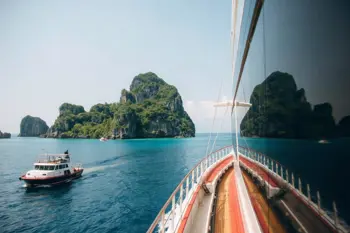
A 14-day island cruise to Indonesia represents a specialized category of maritime tourism that prioritizes access to remote biological and cultural corridors across the archipelago 1, 2. These voyages typically operate as expedition-style cruises, differing significantly from standard mass-market transit routes due to their emphasis on small-ship access to biodiversity hotspots and protected marine zones 3, 4, 5. Given that Indonesia consists of over 18,000 islands, these itineraries are designed to navigate waters inaccessible to larger vessels, allowing for frequent shore-based excursions via Zodiac tenders 2, 7, 8.
Geographic Scope and Itinerary Characteristics
Voyages of this duration frequently traverse the Coral Triangle, a marine region recognized for housing some of the highest levels of biodiversity on the planet 4, 5. Common routes often bridge the distance between major transit hubs like Darwin, Singapore, or Jakarta and interior archipelagos such as the Moluccas, the Banda Sea, and the Nusa Tenggara islands 1, 3, 5. The itinerary design prioritizes depth over range, often spending consecutive days within specific zones like Komodo National Park or Raja Ampat to facilitate comprehensive environmental observation 1, 5, 8.
The logistical movement of these vessels is dictated by seasonal sea conditions and the distinct transition of biodiversity zones across the Wallace Line 9. Passengers can expect a high frequency of water-based activities, including snorkeling and kayaking in secluded bays, supported by scientific staff or expert naturalists who provide guidance on local flora, fauna, and geological formations 2, 3, 4. Itineraries are rarely static and are subject to adjustment based on meteorological data and current port regulations 3, 8.
Expedition Vessel Specifications
The vessels utilized for 14-day Indonesian expeditions are generally purpose-built or specialized craft with lower passenger capacities, ranging from approximately 120 to 230 guests 6, 7. These ships often feature shallow drafts, enabling them to anchor in secluded bays or reach small coastal village ports that larger liners cannot access 6, 7. Technical capabilities such as advanced navigation systems and dedicated expedition infrastructure, including internal fleets of Zodiacs and Xplorer tenders, are standard components for this segment of the industry 6, 7.
Onboard, the focus remains on the synthesis of exploration and scientific immersion 7. Common amenities include lecture lounges for expert briefings, open bridge policies, and facilities designed for gear storage and water-activity preparation 2, 6, 7. These ships typically prioritize durability and maneuverability over the large-scale entertainment facilities found in traditional cruise lines, reflecting a commitment to authentic regional exploration and minimal environmental impact 2, 7.
Regulatory and Immigration Requirements
Navigating an Indonesian expedition requires strict adherence to national immigration and port-clearance protocols. International visitors must ensure their passports remain valid for at least six months beyond their arrival date and comply with prevailing visa regulations 10. While electronic visas or visas-on-arrival are common options, the responsibility for verifying specific requirements often falls to the individual traveler, although many expedition operators provide documentation support 10, 11.
It is essential for travelers to confirm whether their chosen itinerary necessitates individual port clearance at every island or if the operator manages these requirements through a master manifest 10. Furthermore, travelers should be aware that the U.S. Department of State maintains varying safety advisories for different regions within Indonesia, and potential passengers are encouraged to monitor current travel status reports prior to departure 10, 12.
Health, Safety, and Environmental Considerations
The remote nature of these 14-day cruises necessitates pre-trip medical preparations, including consultation with health professionals regarding region-specific vaccinations and tropical health precautions 13. Environmental stewardship is a core component of reputable expedition voyages, with operators often enforcing strict policies regarding marine life interaction, such as no-touch guidelines for coral reefs and whale shark encounters 3, 4, 8.
The tropical climate presents challenges, including high humidity and the potential for rapid weather shifts, which can influence the feasibility of scheduled island landings 10. Travelers should prepare for a broad range of environmental conditions, ranging from hot, sun-exposed island hikes to unpredictable currents during water-based activities 2, 4, 8.
Economic Factors and Booking Realities
The pricing for 14-day Indonesian expeditions reflects the logistical complexity of accessing remote islands and the inclusion of expert-led programming. Costs vary significantly depending on cabin classification, ship pedigree, and specific route exclusivity 1, 2, 5. Because these routes often serve as relocation voyages or seasonal expeditions, inventory is frequently constrained, and trips are often booked well in advance of departure dates 10.
Travelers evaluating these options are encouraged to review the inclusions carefully, specifically regarding shore excursions, port fees, and international transfers, as these are often priced separately from base fares in expedition-style contracts 5, 6. Comparing itineraries that begin in major hubs versus those that utilize smaller regional ports can also affect the overall cost and travel time required for the initial transit 10.
Logistical Planning for Island Transit
| Factor | Expedition Consideration |
|---|---|
| Departure Hubs | Commonly Jakarta, Bali (Benoa), or Singapore |
| Access Method | Zodiacs and ship-based tenders |
| Primary Focus | Biodiversity, cultural exchange, and marine life |
| Documentation | Valid passport, visa-on-arrival/electronic visa |
| Seasonality | Highly dependent on regional wet/dry weather patterns |
Successful completion of an Indonesian island cruise requires deliberate planning, particularly regarding the coordination of international flights and potential transit buffers at the start and end of the voyage 10, 14. By understanding the ship's specific operational focus, whether it be marine biology, cultural history, or general island exploration, passengers can better align their expectations with the realities of navigating the world's largest archipelago 3, 8, 15.
Sources
- Eclipse Travel: 14-Day Heritage Adventurer Expedition Cruise
- Southern Sea Ventures: Indonesia’s Forgotten Islands Expedition
- SeaTrek Sailing Adventures: Spice Islands to Whale Sharks
- Tropical Snorkeling: Komodo and Alor Liveaboard
- Lindblad Expeditions: Aqua Blu Spice Islands and Raja Ampat
- Peregrine Travel Centre: Island Empires & Ancient Mariners
- Peregrine Travel Centre: Unknown Indonesia Kingdom of a Thousand Islands
- SeaTrek Sailing Adventures: Komodo to Maluku Voyage
- World of Cruising: Across the Archipelago Itinerary
- U.S. Department of State: Indonesia International Travel Information
- Directorate General of Immigration: Indonesia e-Visa Portal
- Indonesia Travel: Official Tourism Portal
- Centers for Disease Control and Prevention: Indonesia Health Advice
- Pelindo: Port of Benoa Facilities
- Ministry of Tourism and Creative Economy of Indonesia
Authored by MyTrendSpot team