Unveiling the Mechanism of Action for Penile Extenders: A Comprehensive Guide
Facts:
- Penile extenders apply gradual, sustained force.
- Traction therapy promotes tissue remodeling for penile length.
Understanding the Core Principles of Penile Extender Functionality
The application of penile extenders represents a non-surgical approach to potentially increase penile length. This process is fundamentally rooted in the biological principle of mechanotransduction, where external mechanical forces are converted into biochemical signals within cells. When properly utilized, these devices exert a constant, gentle traction on the penile tissues, stimulating a series of adaptive responses at the cellular and molecular levels. This sustained mechanical stress is crucial for initiating the desired physiological changes, leading to tissue remodeling and the gradual increase in overall length. It's a complex interplay of physics and biology, designed to encourage the body's natural regenerative capabilities in a controlled manner.
The Science Behind Traction Therapy
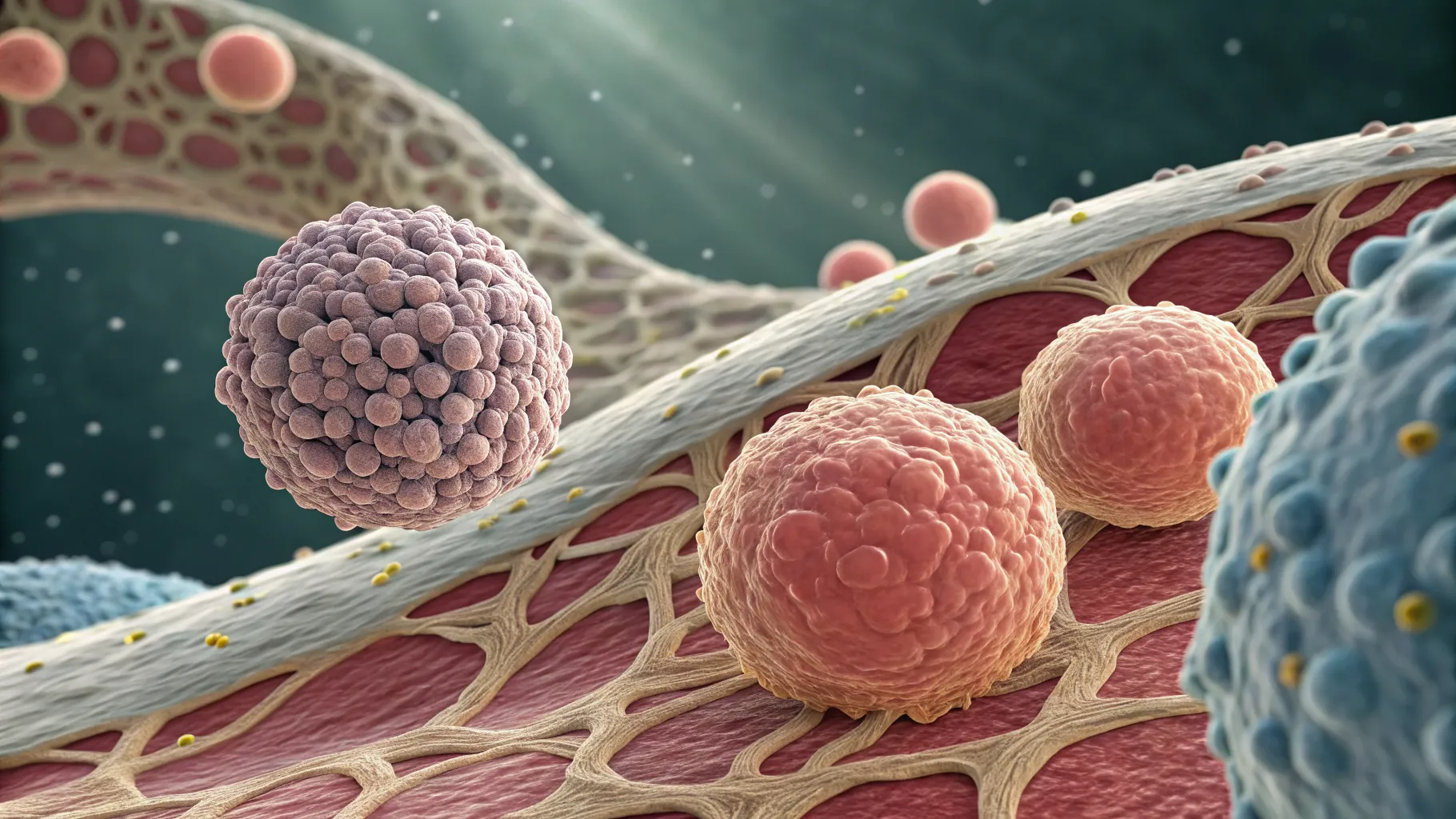
The fundamental principle behind the mechanism of action for penile extenders is continuous mechanical traction. This consistent, gentle pulling force stimulates the tissues of the penis, particularly the tunica albuginea and the corpora cavernosa, to adapt and grow. When the penile tissues are subjected to prolonged tension, they respond through a biological process known as mechanotransduction, where mechanical stress is converted into biochemical signals. This leads to a cascade of cellular events, including the proliferation of new cells and the synthesis of extracellular matrix components, all contributing to tissue remodeling. The goal of this continuous traction therapy is to stretch the existing penile structures and encourage the natural generation of new tissue, thereby facilitating an increase in penile length over time. This response mirrors how other body tissues adapt to sustained mechanical stress, such as in bone growth or skin expansion.
Cellular Proliferation and Collagen Synthesis
At a microscopic level, the sustained tension from penile extenders triggers significant cellular changes. One of the primary responses is enhanced cellular proliferation, where existing cells divide and multiply to produce new cells. This increase in cell count directly contributes to the expansion of tissue volume. Concurrently, there is a marked increase in collagen synthesis. Collagen is the main structural protein in connective tissues, providing strength and elasticity. Under the influence of mechanical stretch, fibroblasts—the cells responsible for producing collagen—become more active, laying down new collagen fibers. These newly synthesized collagen fibers are then integrated into the existing tissue matrix, reinforcing and expanding the penile structure. This dual action of increased cell numbers and enhanced structural protein production is central to the mechanism of action for penile extenders, enabling the gradual and stable increase in penile length as new, healthy tissue is formed and integrated.
Gradual Tissue Expansion and Its Effects
The combined effect of increased cellular proliferation and robust collagen synthesis under persistent traction therapy is the gradual expansion of penile tissues. This sustained, gentle stretching induces micro-traumas at the cellular level, which the body responds to by initiating repair and growth processes. Over an extended period, this leads to an increase in both the number of cells and the amount of extracellular matrix, including collagen, resulting in a permanent structural change. The tunica albuginea, a fibrous sheath surrounding the corpora cavernosa, gradually elongates and expands, allowing for a greater internal volume. This process of tissue remodeling is a slow but progressive adaptation, necessitating patience and consistent application of penile extenders. The ultimate outcome is a measurable and sustainable increase in resting and potentially erect penile length, making the mechanism of action for penile extenders a scientifically grounded approach to anatomical modification.
Choosing and Using Penile Extenders Safely and Effectively
- Consult a Healthcare Professional: Before initiating any form of traction therapy, it is imperative to seek advice from a medical doctor or urologist. They can assess your individual health status, discuss potential contraindications, and provide guidance on the suitability of penile extenders for your specific situation. This initial consultation ensures that the chosen method aligns with your health needs and avoids potential complications.
- Adhere to Manufacturer's Instructions: Each penile extender device comes with specific guidelines for assembly, fitting, and usage. Strictly following these instructions is critical for both safety and efficacy. Improper use can lead to discomfort, injury, or suboptimal results, hindering the desired outcome of increased penile length.
- Consistency and Patience are Key: The biological process of tissue remodeling and cellular proliferation requires time. Results from traction therapy are not immediate and depend heavily on consistent, long-term application. Patients should be prepared for a commitment of several months, often between 3 to 6 months or even longer, to observe significant changes in penile length. Daily usage, as prescribed, is essential.
- Monitor for Discomfort or Side Effects: While penile extenders are generally considered safe when used correctly, it is important to monitor for any signs of discomfort, pain, skin irritation, or other adverse effects. Any persistent or severe symptoms should prompt immediate cessation of use and consultation with a healthcare professional to prevent further complications.
- Combine with Healthy Lifestyle: While penile extenders specifically target tissue growth, maintaining a healthy lifestyle can support overall penile health. This includes a balanced diet, regular exercise, managing stress, and avoiding smoking, all of which contribute to better circulation and general well-being, potentially enhancing the body's response to traction therapy and promoting optimal conditions for collagen synthesis.
Frequently Asked Questions
How long does it take to see results with penile extenders?
Significant results from penile extenders, particularly in terms of increased penile length, typically require consistent use over several months. While some individuals may notice subtle changes within the first few weeks, more substantial outcomes from traction therapy and tissue remodeling often become apparent after 3 to 6 months of daily application. Patience and adherence to the recommended usage protocol are crucial for achieving desired results.
Are penile extenders painful to use?
When used correctly, penile extenders should not be painful. Users might experience a mild stretching sensation or slight discomfort initially, which usually subsides as the body adapts to the traction therapy. It is critical to follow the manufacturer's instructions regarding tension levels and wear time. If sharp pain, numbness, or significant discomfort occurs, the device should be removed immediately, and a healthcare professional consulted to ensure proper usage and prevent injury, which could negatively impact cellular proliferation.
Can penile extenders help with erectile dysfunction?
While the primary mechanism of action for penile extenders is to increase penile length through tissue remodeling and collagen synthesis, they are not specifically designed to treat erectile dysfunction (ED). However, some men report improved penile rigidity or blood flow as a secondary effect, possibly due to enhanced vascularity in the stretched tissues. For primary treatment of ED, other medical interventions or therapies are typically recommended. Consult a urologist for appropriate diagnosis and treatment options for ED, independent of traction therapy.
References
- Journal of Sexual Medicine studies on penile traction devices.
- Clinical trials investigating tissue expansion in dermatology.
- Textbooks on human anatomy and physiology, specifically regarding connective tissue growth and response to mechanical stress.
Authored by MyTrendSpot team