Navigating The Investment Required for Prostate Health Monitors: A Detailed Guide to Costs and Value
Facts:
- Prostate cancer is the second most common cancer among men.
- The market for prostate health monitors is projected to grow significantly for diagnostic and preventative care.
Demystifying the Financial Landscape of Prostate Health Monitors
Understanding the investment required for prostate health monitors is crucial for men proactive about their well-being. These devices, ranging from advanced diagnostic tools to simpler screening aids, offer various benefits but come with a diverse price tag. This guide aims to clarify the expenses involved, helping individuals make informed decisions about their urological health investment without financial surprises.
Components of Investment: What Drives the Cost of Prostate Health Monitors?
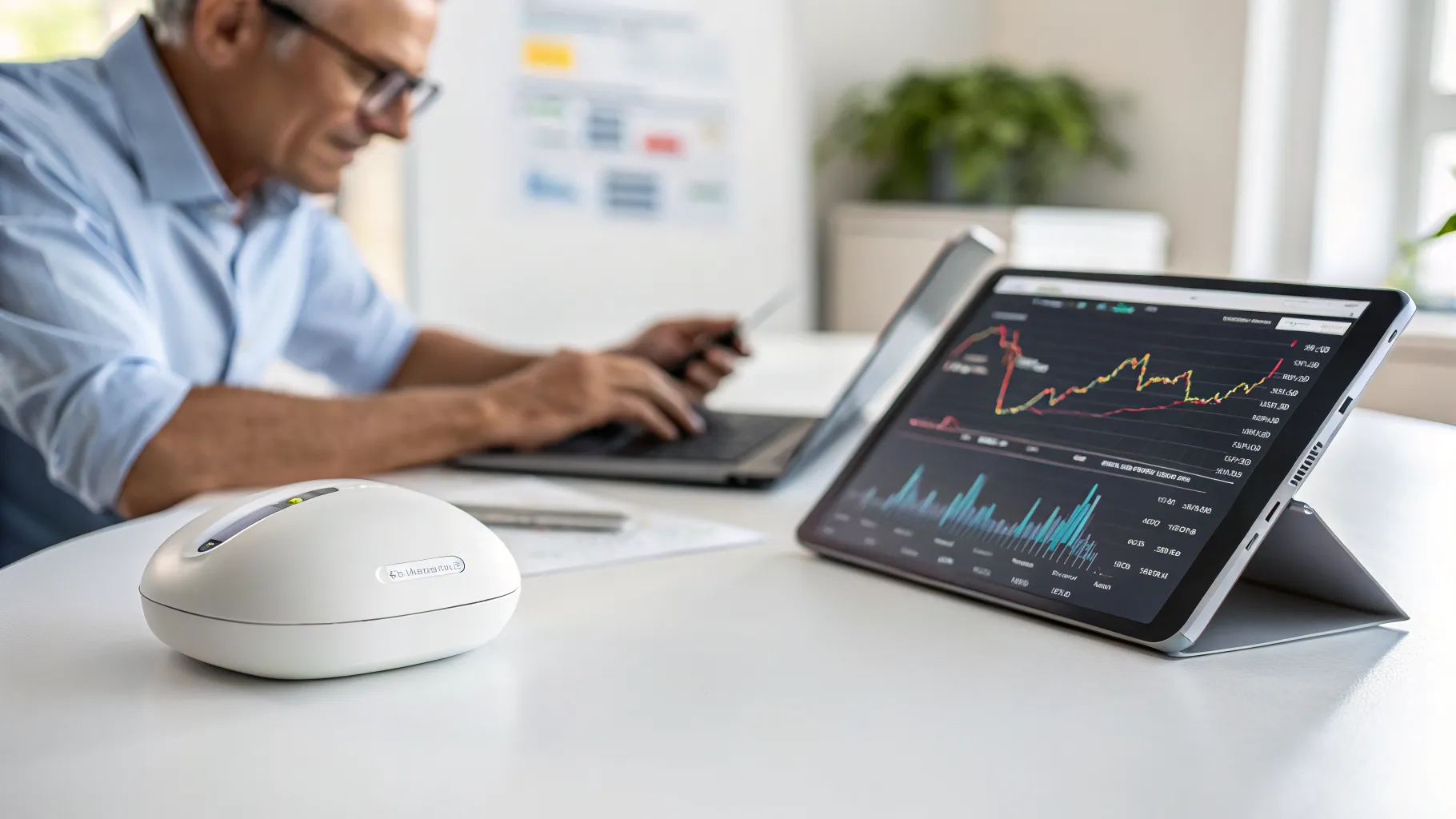
The overall investment required for prostate health monitors can be broken down into several key categories. Primarily, the cost of the device itself varies significantly based on its technology, brand, and functionalities. Simple at-home prostate testing kits might cost under $100, while sophisticated diagnostic devices with smart features and connectivity can range from $500 to several thousand dollars. Beyond the initial purchase, recurring expenses often include subscription fees for companion apps that offer data analysis and personalized insights, consumables like test strips or cartridges, and potential maintenance or extended warranty costs. Understanding these components is vital for a realistic financial assessment of long-term prostate care devices.
Initial Device Purchase and Technology
The foundational cost is the purchase price of the prostate health monitor. Devices utilizing non-invasive methods, such as urine flow meters or wearable sensors, tend to be more affordable, often falling into the $100-$300 range. Conversely, monitors that incorporate advanced imaging, AI-driven analysis, or integration with clinical systems will naturally command a higher price, sometimes exceeding $1,000. These advanced systems often promise greater accuracy and a broader spectrum of data, justifying the increased urological health investment for some users. The choice largely depends on the user's specific health concerns, budget, and desired level of detail in monitoring.
Subscription Services and Consumables
Many modern prostate care devices are not standalone purchases. They frequently come with optional or mandatory subscription services that unlock full functionality, cloud storage for data, or access to health professionals for interpretation. These subscriptions can add an annual cost ranging from $50 to $300. Additionally, devices that require specific test strips, reagents, or other single-use components will incur ongoing consumable expenses. For example, monthly use of certain at-home prostate testing kits might cost $20-$50 in consumables alone. Factoring these recurring costs into the investment required for prostate health monitors provides a more accurate picture of the total financial commitment.
Comparing At-Home Prostate Health Monitors with Clinical Screening Costs
When considering the investment required for prostate health monitors, it's essential to compare it against traditional prostate screening costs incurred through clinical visits. Standard clinical screenings often involve a PSA blood test and a digital rectal exam (DRE), which can range from $50 to $200 per visit, depending on insurance coverage and geographic location. If an abnormal result leads to further diagnostics like a biopsy or MRI, these costs can escalate significantly, potentially reaching thousands of dollars. While at-home prostate testing devices may have a higher upfront cost, they can offer convenience and continuous monitoring, potentially reducing the frequency of clinic visits for routine checks. However, it's crucial to remember that at-home solutions are typically supplemental and do not replace professional medical advice or definitive diagnostic procedures. A combined approach often represents a balanced urological health investment strategy.
Maximizing Value: Smart Strategies for Prostate Health Investment
Making a wise urological health investment in prostate health monitors requires careful planning and research. Here are actionable strategies to ensure you get the best value for your money:
- Research and Compare: Thoroughly investigate different prostate care devices. Read reviews, compare features, and understand the accuracy claims. Look for independent validations or clinical studies.
- Factor in Recurring Costs: Always consider subscription fees, consumable expenses, and warranty options in addition to the initial purchase price. These can significantly impact the investment required for prostate health monitors over time.
- Consult Healthcare Providers: Discuss your options with your doctor. They can provide guidance on which type of at-home prostate testing or monitoring device is appropriate for your specific health profile and risk factors, potentially saving you from unnecessary purchases.
- Check Insurance Coverage: Investigate whether your health insurance plan covers any part of the cost for specific prostate health monitors or associated clinical follow-ups. Some FSA/HSA accounts may also be used for qualified medical devices.
- Prioritize Accuracy and Reliability: While cost is a factor, prioritize devices known for their accuracy and reliability. A cheaper, inaccurate device is not a good urological health investment if it provides misleading results.
Future Trends and Affordability in Prostate Care Devices
The landscape of prostate care devices is rapidly evolving, with ongoing advancements promising greater accessibility and affordability. Innovations in sensor technology, AI-powered diagnostics, and telemedicine integration are expected to make prostate health monitors more accurate, user-friendly, and potentially less expensive in the long run. As competition increases and manufacturing processes become more efficient, the overall investment required for prostate health monitors may decrease, making advanced at-home prostate testing solutions more widely available. Research and development are also focusing on non-invasive techniques that can provide more comprehensive data without the discomfort or high cost associated with current invasive procedures, further enhancing the value proposition for future urological health investment strategies.
Frequently Asked Questions
What is the typical initial investment required for prostate health monitors?
The initial cost for prostate health monitors can vary widely, typically ranging from under $100 for basic at-home prostate testing kits to over $1,000 for advanced diagnostic devices with sophisticated features. Factors like brand, technology, and functionality significantly influence the price point.
Are prostate health monitors covered by insurance?
Insurance coverage for prostate health monitors is often limited and depends on your specific health plan and the device's medical classification. Some plans may cover parts of diagnostic tools if prescribed by a physician, but consumer-grade preventative monitors are less commonly covered. It's always best to check with your insurance provider regarding your specific urological health investment.
How do prostate screening costs compare between home monitors and clinical tests?
Clinical prostate screening costs for standard PSA tests and DREs can range from $50 to $200 per visit. While prostate health monitors have a higher upfront cost, they may reduce the frequency of clinical visits for routine checks. However, at-home monitors are usually supplementary and do not replace definitive clinical diagnostic procedures or the advice of a healthcare professional.
References
- National Cancer Institute. Prostate Cancer.
- American Urological Association Guidelines.
- Recent studies on at-home diagnostic device efficacy.
Authored by MyTrendSpot team