Night Shift Train Security Jobs in the United States: A Comprehensive Guide
Facts:
- Over 140,000 miles of freight railway operate across the US.
- Demand for specialized security roles in transportation is steadily increasing for transportation security.
Navigating the Demands of Night Shift Train Security
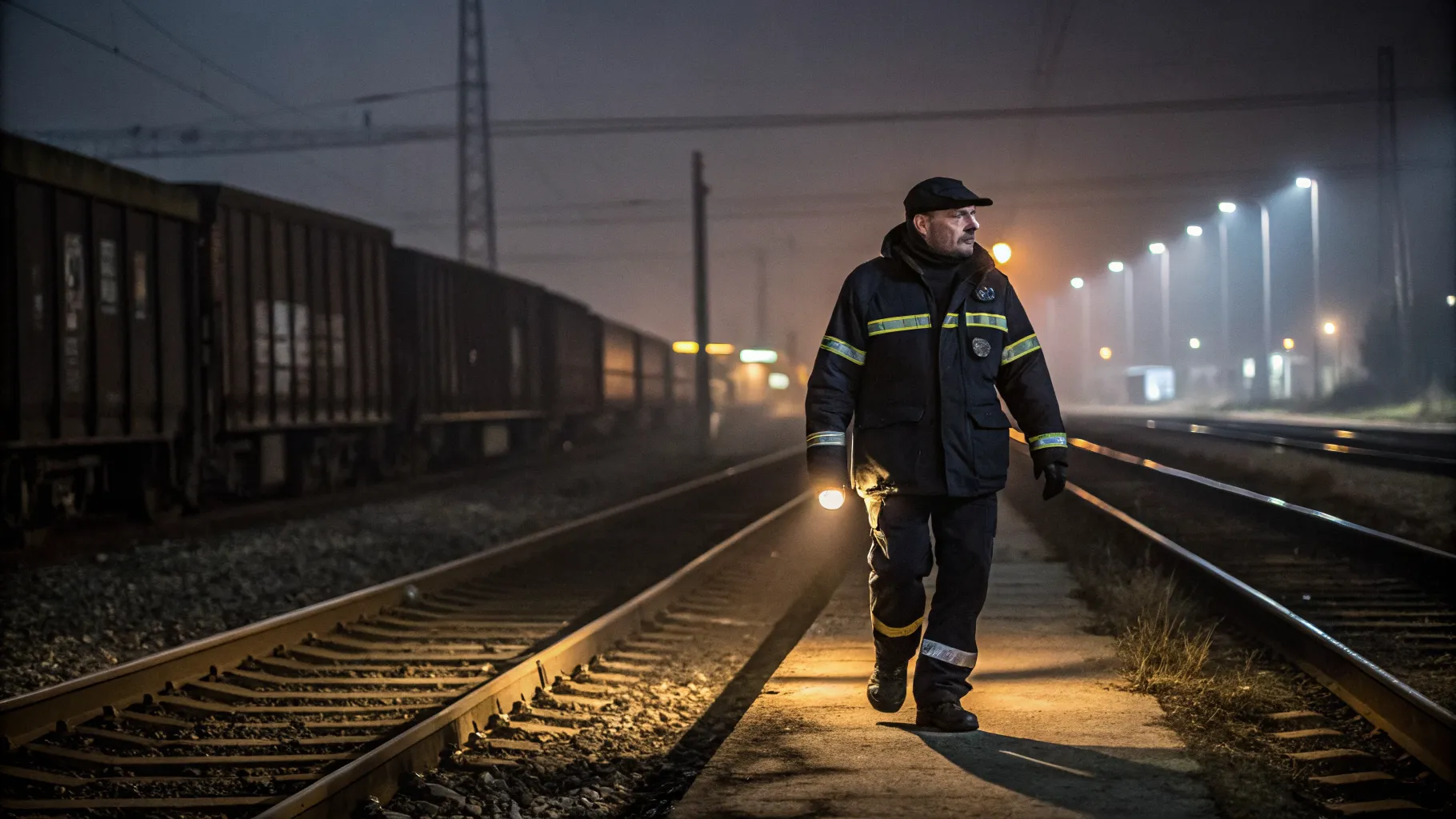
Night shift train security jobs in the United States present a unique and vital role within the broader spectrum of transportation security. These positions are crucial for safeguarding vast railway networks, preventing theft, vandalism, and ensuring the safety of cargo and personnel. The nocturnal environment adds layers of complexity, requiring heightened vigilance, specialized training, and a profound understanding of railway operations and protocols. Individuals pursuing these roles must be prepared for irregular hours, challenging conditions, and a significant responsibility in maintaining the integrity of the nation's rail infrastructure. This guide delves into the specifics of these critical roles, offering insights into the responsibilities, challenges, and opportunities available.
Key Responsibilities in Night Shift Railroad Protection
Engaging in night shift train security jobs means shouldering a wide array of critical duties designed to protect railway assets and operations. Primarily, security personnel are responsible for patrolling train yards, tracks, and facilities, often covering extensive areas. This involves vigilant monitoring for unauthorized access, suspicious activities, or potential hazards that could disrupt rail services. They are tasked with inspecting cargo, ensuring seals are intact, and preventing theft from freight cars, which is a significant concern for rail companies. Furthermore, responders to alarms, incidents of trespassing, and emergency situations are often the first on the scene, requiring quick decision-making and adherence to strict safety protocols. Reporting and documentation are also vital, as detailed logs of patrols, incidents, and observations contribute to ongoing security assessments and improvements in rail security enforcement strategies.
Training and Qualifications for Rail Security Enforcement
To excel in night shift train security jobs, a specific set of training and qualifications is typically required. While a high school diploma or GED is usually the minimum educational requirement, many employers prefer candidates with prior experience in security, law enforcement, or military service. Specialized training often includes certifications in first aid, CPR, and the use of defensive tactics. Familiarity with railway safety regulations, hazmat procedures, and specific communication systems used by railroads is also paramount. Many positions demand a valid driver's license and the ability to operate security vehicles, sometimes off-road. Continuous professional development, including updated training on threat assessment, surveillance technology, and emergency response, is essential for maintaining proficiency and adapting to evolving security challenges in transportation security.
Challenges and Benefits of Night Shift Security Roles
Working night shift train security jobs comes with its unique set of challenges and benefits. The primary challenges include dealing with irregular sleep patterns, which can impact personal health and social life. The isolated nature of night patrols can also be demanding, requiring strong self-discipline and mental fortitude. Exposure to varying weather conditions, from extreme cold to intense heat, is common, as patrols are conducted outdoors year-round. However, the benefits are also substantial. Many night shift roles offer higher pay rates due to the unsocial hours, providing an attractive compensation package. The reduced traffic and activity during the night can sometimes allow for more focused and efficient patrolling. Furthermore, these roles offer a profound sense of purpose, contributing directly to national infrastructure safety and railway safety, which can be highly rewarding for dedicated security professionals.
Technological Advancements in Train Yard Security
The field of train yard security is continuously evolving, with technology playing an increasingly significant role in enhancing protection. Modern security systems integrate advanced surveillance cameras, including thermal and night-vision capabilities, to monitor vast areas effectively. Drone technology is also being deployed for aerial patrols, providing a broader perspective and quicker response to incidents in remote or expansive rail yards. Access control systems, often utilizing biometric authentication, secure sensitive areas and limit unauthorized entry. Additionally, GPS tracking for security personnel and vehicles, along with real-time communication systems, ensures rapid coordination and response during emergencies. These technological tools not only augment human efforts but also provide critical data for predictive analysis, helping to pre-empt security threats and improve overall railroad protection efficiency.
Career Progression and Future Outlook
A career in night shift train security jobs can offer a clear path for professional growth and advancement within the broader security industry. Starting as a security guard or patrol officer, individuals can progress to supervisory roles, leading teams and managing security operations across multiple sites. Further specialization might include roles in investigations, security technology management, or even corporate security for major rail companies. The skills acquired—such as crisis management, surveillance, and detailed reporting—are highly transferable to other sectors within transportation security or private security firms. The future outlook for these roles remains strong, driven by the ongoing need to protect critical infrastructure, the increasing volume of freight transportation, and the persistent threat of various security risks. This sustained demand ensures a stable and promising career trajectory for those committed to safeguarding the nation's railways.
Actionable Advice for Aspiring Rail Security Professionals
For individuals considering a career in night shift train security jobs, several actionable steps can help pave the way for success:
- Gain Relevant Experience: Seek out entry-level security positions, ideally in transportation, or consider military or law enforcement service to build foundational skills in security protocols and incident response. This experience will be highly valued for railroad protection roles.
- Obtain Essential Certifications: Prioritize certifications in first aid, CPR, and any state-mandated security guard licenses. Advanced certifications in specific security technologies or risk management can also provide a competitive edge in transportation security.
- Develop Physical and Mental Stamina: Prepare for the unique demands of night shifts and outdoor work. Regular physical fitness, alongside strategies for managing sleep cycles, is crucial for maintaining alertness and effectiveness during patrols for railway safety.
- Master Communication and Reporting: Strong verbal and written communication skills are vital for effective coordination with team members, law enforcement, and for accurately documenting incidents. Detailed reporting is key to operational efficiency in rail security enforcement.
- Network Within the Industry: Connect with professionals already working in rail security. Attending industry events or joining professional organizations can open doors to mentorship and job opportunities, offering insights into best practices in train yard security.
Frequently Asked Questions
What are the typical working hours for night shift train security jobs?
Typical working hours for these roles often involve 8-12 hour shifts, beginning in the late afternoon or evening and extending through the night until morning. Schedules can be rotating or fixed, depending on the employer and operational needs, but always fall within the nocturnal period to ensure continuous railroad protection.
What kind of equipment is provided for night shift security personnel?
Personnel are typically provided with essential security equipment, including uniforms, communication radios, flashlights, and sometimes body cameras. Depending on the company and local regulations, non-lethal defensive tools or firearms may also be issued. Vehicles for patrolling large areas are also standard, crucial for effective train security jobs.
Is prior experience required for these transportation security roles?
While prior experience in security, law enforcement, or the military is highly preferred, some entry-level positions may be available for candidates who demonstrate strong aptitude, a clean background, and a willingness to undergo extensive training. Specialized training in railway operations is often provided on the job for all new recruits in rail security enforcement.
References
- US Department of Transportation - Federal Railroad Administration Safety Data.
- Association of American Railroads - Security Best Practices Guide.
- National Academies of Sciences, Engineering, and Medicine - Transportation Research Board Publications.
- Industry reports from specialized security consulting firms focusing on infrastructure protection.
- Professional Security Magazine archives on critical infrastructure security.
Authored by MyTrendSpot team