Premium Heat Pump Systems for Home Heating and Cooling: A Technical and Financial Analysis of Variable-Speed Climate Technology
Residential climate control has entered a transformative era as homeowners transition toward high-performance electric systems to manage indoor environments. Premium Heat Pump Systems for Home Heating and Cooling are engineered to deliver reliable heating, precise cooling, and dedicated humidity control by moving thermal energy rather than generating it through fuel combustion 1. By pulling heat into the home during the winter and expelling it outdoors during the summer, these advanced units operate as a single unified system 1. The widespread adoption of these systems is reflected in historical market metrics, with over 5 million heat pumps sold in the United States in 2024, outselling traditional gas furnaces for the first time 3.
The Mechanics of Variable-Speed Compressor Technology
The defining feature of a premium heat pump is its variable-speed or inverter-driven compressor. Traditional heating and cooling systems operate on a binary cycle, turning completely on or off to meet a thermostat's set temperature. In contrast, premium variable-speed systems, such as the Bosch IDS Premium, Carrier Infinity series, and ACiQ Extreme+ lines, adjust their operating capacity dynamically in tiny increments 1 5 17. This continuous adaptation matches the exact thermal load of the home, virtually eliminating the temperature swings associated with single-stage or two-stage units.
By running continuously at lower speeds, variable-speed systems consume significantly less power and operate with minimal noise. For example, high-end systems utilizing advanced acoustic engineering, such as Bryant's AeroQuiet System II, achieve sound levels as low as 53 to 54 decibels, which is comparable to a quiet domestic conversation 2. This soft-startup capability and lower operational cycling also reduce mechanical stress on internal system components, potentially extending the equipment's operational lifespan beyond the standard HVAC average 17.
Comparative Technical Specifications of High-Tier Systems
When evaluating premium heat pumps, two industry metrics determine efficiency performance: SEER2 (Seasonal Energy Efficiency Ratio 2) for cooling and HSPF2 (Heating Seasonal Performance Factor 2) for heating. Modern premium systems routinely exceed a SEER2 rating of 18 and an HSPF2 rating of 9, representing the upper tier of residential efficiency. The following table contrasts standard technical characteristics and average system metrics observed across prominent premium configurations:
| Manufacturer Line | Compressor Configuration | Max SEER2 Rating | Acoustic Level (dB) | Refrigerant Standard |
|---|---|---|---|---|
| Carrier Infinity 23 (27VNA3) | Variable-Speed Compressor | Up to 23 SEER2 | Whisper-Quiet | R-454B / R-410A |
| ACiQ Extreme+ Series | Inverter-Driven | Up to 18 SEER2 | Low-Ambient Optimized | R-454B |
| DELLA Optima Pro | Inverter-Driven | Up to 23.5 SEER2 | As low as 34 dB (Indoor) | R-454B |
| Bryant Evolution Extreme | Variable-Speed | Premium Class | As low as 53 dB | Puron / R-454B |
Cold-Climate Capabilities and Hyper-Heating Innovations
Historically, residential heat pumps experienced dramatic efficiency losses when ambient outdoor temperatures fell below freezing, often requiring supplementary electric resistance heat strips that consume high levels of electricity. Modern premium heat pumps overcome this limitation through specialized cold-climate technologies, such as Mitsubishi's Hyper-Heating Inverter (H2i) or ACiQ's Extreme Heat technology 5 12 17. These systems maintain robust heating capacity at extreme temperatures, delivering effective, reliable heat in conditions as low as -22 degrees Fahrenheit 12 17 18.
These cold-climate capabilities are achieved by combining variable-speed scroll compressors with enhanced vapor injection and optimized defrost algorithms. By maintaining high heating performance without relying on auxiliary heat strips, these systems can save up to 75% in energy consumption during deep sub-freezing periods compared to legacy designs 17. This advancement allows homeowners in colder regions, such as the Northeast or the Midwest, to rely entirely on electric heat pump technology 10.
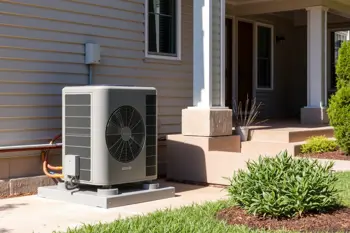
Hybrid Heating Configurations for Maximum Efficiency
In regions that experience prolonged, extreme winter storms, HVAC professionals often recommend a dual-fuel or hybrid heating configuration. This setup pairs an electric heat pump with a high-efficiency gas furnace 2 4. Under moderate conditions, the heat pump handles all heating and cooling. When outdoor temperatures drop to extreme lows where gas combustion is more cost-effective, the system automatically transitions the heating load to the furnace 2 4.
This hybrid approach leverages the strengths of both technologies. Manufacturers like American Standard, Bryant, and ACiQ offer matched multi-positional coils and air handlers that integrate with gas furnaces, such as ACiQ's 80% to 96% AFUE furnace combinations 2 4 21 23. This dual-system redundancy ensures uninterrupted home comfort, balances energy utility tariffs, and provides a reliable backup heating source in extreme climates.
Refrigerant Transitions and Regulatory Compliance
The HVAC industry is undergoing a significant transition in refrigerant standards, driven by global environmental regulations aimed at reducing global warming potential (GWP). Older systems historically utilized R-410A, but newer 2026 premium models are built around next-generation refrigerants, primarily R-454B 10 11 12. Industry-leading brands have updated their equipment lines to support this transition, offering pre-charged R-454B configurations across their variable-speed split systems 11 12 13 20.
For consumers, selecting a system designed around R-454B represents an investment in long-term compliance and system support. While older R-410A units remain reliable, future servicing and refrigerant recovery costs for legacy systems may rise over their 15 to 22-year lifespans 15. Utilizing low-GWP refrigerants ensures that the system complies with current environmental rules while remaining easy to service and maintain 10 15.
Financial Realities, Installation, and Warranty Safeguards
The acquisition and installation of a premium whole-house heat pump system represents a significant capital improvement. While equipment-only pricing for high-end split systems can range from $4,000 to $7,000 depending on tonnage and configuration, total professional installation costs typically range from $12,000 to $22,000 depending on home size, ductwork modifications, and electrical upgrades. These upfront costs are often mitigated by state-level rebates and regional energy-efficiency incentives that remain available to qualified homeowners 6.
Given the complexity of inverter-driven systems and communicating thermostats, professional installation is essential to achieve the rated seasonal efficiencies 5 8. A precise Manual J load calculation must be performed by a licensed contractor to match system capacity to the home's unique thermal boundary. Furthermore, most premium manufacturers, including Trane and Carrier, require system registration within 60 to 90 days of installation to unlock extended warranty coverage, which can provide up to 10 to 12 years of protection on compressors and critical parts 8 15.
Sources
- Carrier Residential - Heat Pumps Product Guide
- Bryant - Compare Heat Pump Systems
- Consumer Reports - Best Whole-House Heat Pumps of 2026
- American Standard - Heat Pumps and Hybrid Systems
- EDGE Energy - Best Heat Pump Brands for 2026
- Consumer Reports - Heat Pump Buying Guide
- Wirecutter - Heat Pump Homeowner Guide
- HVACDatabase - Trane HVAC Equipment Buying Guide
- PICKHVAC - ACiQ Heat Pump Reviews
- Plumbing Guider - Trane Heat Pump Review 2026
- MRCOOL DIY Direct - Universal Series 3 Ton Central Heat Pump
- HVACDirect - ACIQ Extreme+ Series 4 Ton Inverter Split System
- HVACDirect - ACIQ Extreme Series 3 Ton Heat Pump System
- HVACDirect - MRCOOL Hyper Heat 2nd Gen 4 Ton System
- HVACgist - Trane HVAC Review 2026
- Palmetto - Heat Pump Cost and Purchasing
- Chill Mini Splits - ACiQ 3 Ton Central Ducted System
- Pioneer Official Store - Quantum Hyperformance Mini-Split
- HVACDirect - Trane Gas Furnace and Heat Pump System
- Della - Tri-Zone Concealed Ducted Heat Pump System
- Della - Quad Zone Ducted Mini Split System
- HVACDirect - Hybrid ACIQ Heat Pump and Gas Furnace System
- Della - Optima Pro 18000 BTU Hyper Heat Mini Split
Authored by MyTrendSpot team