Unlocking Hope: Understanding Immunotherapy for Bladder Cancer
Fast Facts:
- Immunotherapy offers a new paradigm in cancer treatment.
- Survival rates for advanced urothelial carcinoma have significantly improved.
Revolutionizing Treatment: The Power of Immunotherapy for Bladder Cancer
Immunotherapy for bladder cancer represents a groundbreaking shift in oncological care, moving beyond traditional chemotherapy and radiation to harness the body's own defense mechanisms. This innovative approach focuses on enhancing the immune system's ability to recognize and destroy cancer cells, offering new hope for patients with various stages of urothelial carcinoma. Understanding the nuances of these treatments is crucial for both patients and healthcare providers.
Mechanisms of Action: How Immunotherapy Works
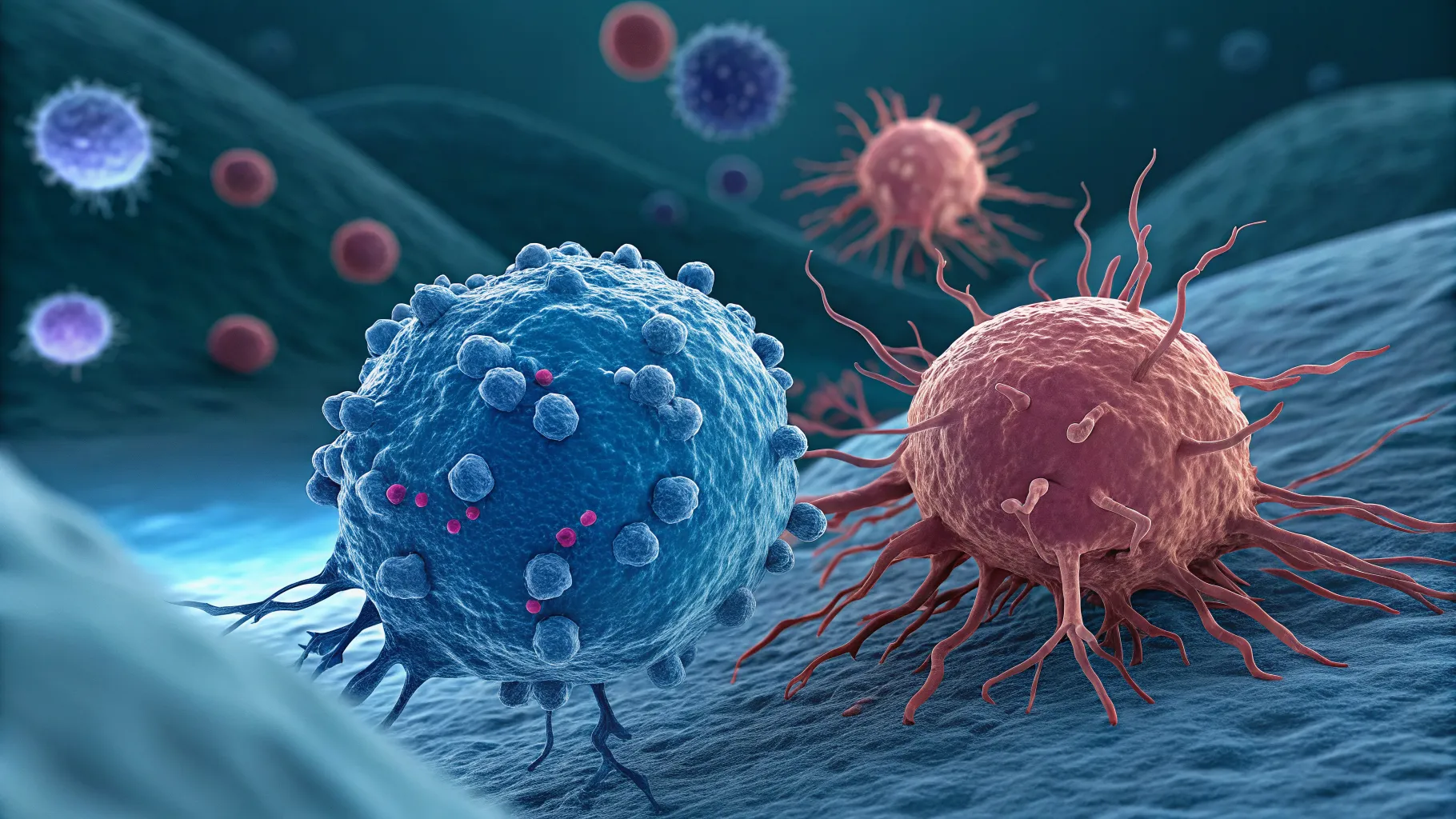
At its core, immunotherapy for bladder cancer functions by leveraging the intricate pathways of the human immune system. Cancer cells often develop sophisticated ways to evade immune detection, such as expressing specific proteins that 'turn off' immune cells. Immunotherapeutic agents, particularly checkpoint inhibitors, block these inhibitory signals. For instance, drugs targeting PD-1 (Programmed Death-1) or PD-L1 (Programmed Death-Ligand 1) prevent cancer cells from deactivating T-cells, thereby allowing the T-cells to identify and eliminate malignant cells. This reactivation of the immune response is central to the efficacy of these treatments against urothelial carcinoma.
Types of Immunotherapy Used in Bladder Cancer
Several distinct forms of immunotherapy for bladder cancer are currently employed, each with specific applications and mechanisms. The most prominent include Bacillus Calmette-Guérin (BCG) therapy, which is a form of intravesical therapy, and systemic immune checkpoint inhibitors. BCG, a live attenuated bacterium, is instilled directly into the bladder to provoke a localized immune response, primarily used for non-muscle-invasive bladder cancer. For more advanced or metastatic disease, systemic checkpoint inhibitors such as pembrolizumab, atezolizumab, nivolumab, durvalumab, and avelumab are administered intravenously. These agents have significantly altered the treatment landscape for advanced urothelial carcinoma, extending survival and improving quality of life for many patients by re-engaging the body's immune system activation against the tumor.
Intravesical Therapy with BCG
Intravesical therapy, particularly with BCG, remains a cornerstone for high-risk non-muscle-invasive bladder cancer. This treatment involves introducing a weakened form of the tuberculosis bacteria directly into the bladder. The presence of BCG triggers a robust inflammatory and immune response within the bladder lining, attracting various immune cells like macrophages, natural killer cells, and T-lymphocytes. These activated immune cells then target and destroy remaining bladder cancer cells. While highly effective, BCG can cause localized side effects such as bladder irritation and flu-like symptoms. Its success highlights the potential of localized immune system activation in preventing recurrence and progression of early-stage urothelial carcinoma.
Systemic Checkpoint Inhibitors
For muscle-invasive or metastatic urothelial carcinoma, systemic checkpoint inhibitors have emerged as a powerful treatment option. These drugs are monoclonal antibodies that interfere with the checkpoint proteins on immune cells (like PD-1 or CTLA-4) or on cancer cells (like PD-L1). By blocking these 'brakes' on the immune system, they unleash a potent anti-tumor response throughout the body. Patients with advanced disease who have progressed after chemotherapy, or those ineligible for platinum-based chemotherapy, are often candidates for these therapies. The efficacy of checkpoint inhibitors in achieving durable responses underscores their transformative impact on the prognosis of patients with advanced immunotherapy for bladder cancer.
Potential Side Effects and Management
While generally better tolerated than traditional chemotherapy, immunotherapy for bladder cancer can still lead to a range of immune-related adverse events (irAEs). These occur when the activated immune system mistakenly attacks healthy tissues in the body. Common irAEs can affect almost any organ system, including the skin (rashes), endocrine glands (thyroiditis), gastrointestinal tract (colitis), and lungs (pneumonitis). Less common but more severe irAEs can involve the heart or nervous system. Early recognition and prompt management of these side effects of immunotherapy are crucial. Treatment often involves corticosteroids to suppress the immune response, and in some cases, other immunosuppressive agents. Patient education on recognizing symptoms and vigilant monitoring by healthcare teams are essential for safely managing these unique challenges of immune system activation.
Future Directions and Combination Therapies
The field of immunotherapy for bladder cancer is rapidly evolving, with ongoing research exploring novel targets and combination strategies. Scientists are investigating new checkpoint targets beyond PD-1/PD-L1, as well as therapies that modulate other aspects of the immune response, such as CAR T-cell therapy adapted for solid tumors. Furthermore, combining immunotherapy with other treatment modalities—such as chemotherapy, radiation therapy, targeted agents, or other immunotherapies—is a major area of focus. These combination approaches aim to overcome resistance mechanisms and achieve even deeper and more durable responses, potentially extending the benefits of immune system activation to a broader population of patients with urothelial carcinoma. The goal is to maximize efficacy while minimizing the side effects of immunotherapy, leading to personalized and more effective treatment paradigms.
Navigating Your Immunotherapy Journey: Key Considerations
Consult with Specialists: Ensure you are discussing your treatment options with a multidisciplinary team including urologists, medical oncologists, and radiation oncologists who specialize in immunotherapy for bladder cancer. Their combined expertise will provide the most comprehensive care plan.
Understand Potential Side Effects: Be proactive in learning about the common and uncommon side effects of immunotherapy. Report any new or worsening symptoms to your healthcare team immediately, as early intervention can prevent severe complications.
Maintain Open Communication: Regular and honest communication with your medical team is paramount. Discuss your concerns, quality of life, and any changes you experience. This collaborative approach is vital for effective management of your urothelial carcinoma.
Adhere to Your Treatment Schedule: Consistency in treatment is crucial for the efficacy of checkpoint inhibitors and other immunotherapies. Attend all scheduled appointments and infusions, and inform your team promptly if you anticipate any difficulties.
Frequently Asked Questions
What is the primary goal of immunotherapy for bladder cancer?
The primary goal of immunotherapy for bladder cancer is to stimulate the patient's own immune system to recognize and attack cancer cells. Unlike chemotherapy, which directly kills cancer cells, immunotherapy works by enhancing the body's natural defenses, leading to a more targeted and often more durable anti-tumor response, especially against urothelial carcinoma.
Are there different types of immunotherapy for bladder cancer?
Yes, there are several types. The most common include intravesical therapy with Bacillus Calmette-Guérin (BCG) for non-muscle-invasive bladder cancer, and systemic immune checkpoint inhibitors (like PD-1/PD-L1 inhibitors) for more advanced or metastatic disease. Each type works through different mechanisms to achieve immune system activation.
How long does immunotherapy for bladder cancer treatment typically last?
The duration of immunotherapy for bladder cancer varies significantly based on the type of treatment, the stage of cancer, and the patient's response and tolerance. BCG therapy might involve weekly instillations for six weeks, followed by maintenance. Systemic checkpoint inhibitors can be administered for several months to years, or as long as the patient benefits and tolerates the treatment, or until disease progression.
What are the common side effects of immunotherapy for bladder cancer?
Common side effects of immunotherapy include fatigue, rash, itching, diarrhea, and flu-like symptoms. More serious but less common immune-related adverse events can affect organs like the lungs, liver, and endocrine glands. It is crucial to report any new symptoms to your healthcare provider immediately for prompt management, as these often require specific treatments.
References
- American Cancer Society. Immunotherapy for Bladder Cancer.
- National Cancer Institute. Bladder Cancer Treatment (PDQ®)—Patient Version.
- European Association of Urology Guidelines on Muscle-invasive and Metastatic Bladder Cancer.
- Journal of Clinical Oncology. Clinical Trials on Checkpoint Inhibitors in Urothelial Carcinoma.
- Urology Times. Advances in Intravesical Immunotherapy.
Authored by MyTrendSpot team