Navigating Warehouse Logistics and Fulfillment Roles in the United States
Fast Facts:
- The US logistics market is a multi-trillion-dollar industry.
- E-commerce growth drives demand for specialized fulfillment roles.
The Evolving Landscape of Warehouse Logistics in the United States
The field of warehouse logistics in the United States is undergoing significant transformation, driven by advancements in technology, the relentless growth of e-commerce, and the increasing demand for efficient supply chain management. This dynamic environment necessitates a deep understanding of evolving operational strategies and the diverse range of fulfillment roles that underpin modern distribution networks. Companies are continually seeking innovative ways to optimize their distribution center operations, from storage and inventory management to order picking and last-mile delivery. The convergence of automation and human expertise is redefining efficiency benchmarks, making skilled professionals in this sector more critical than ever.
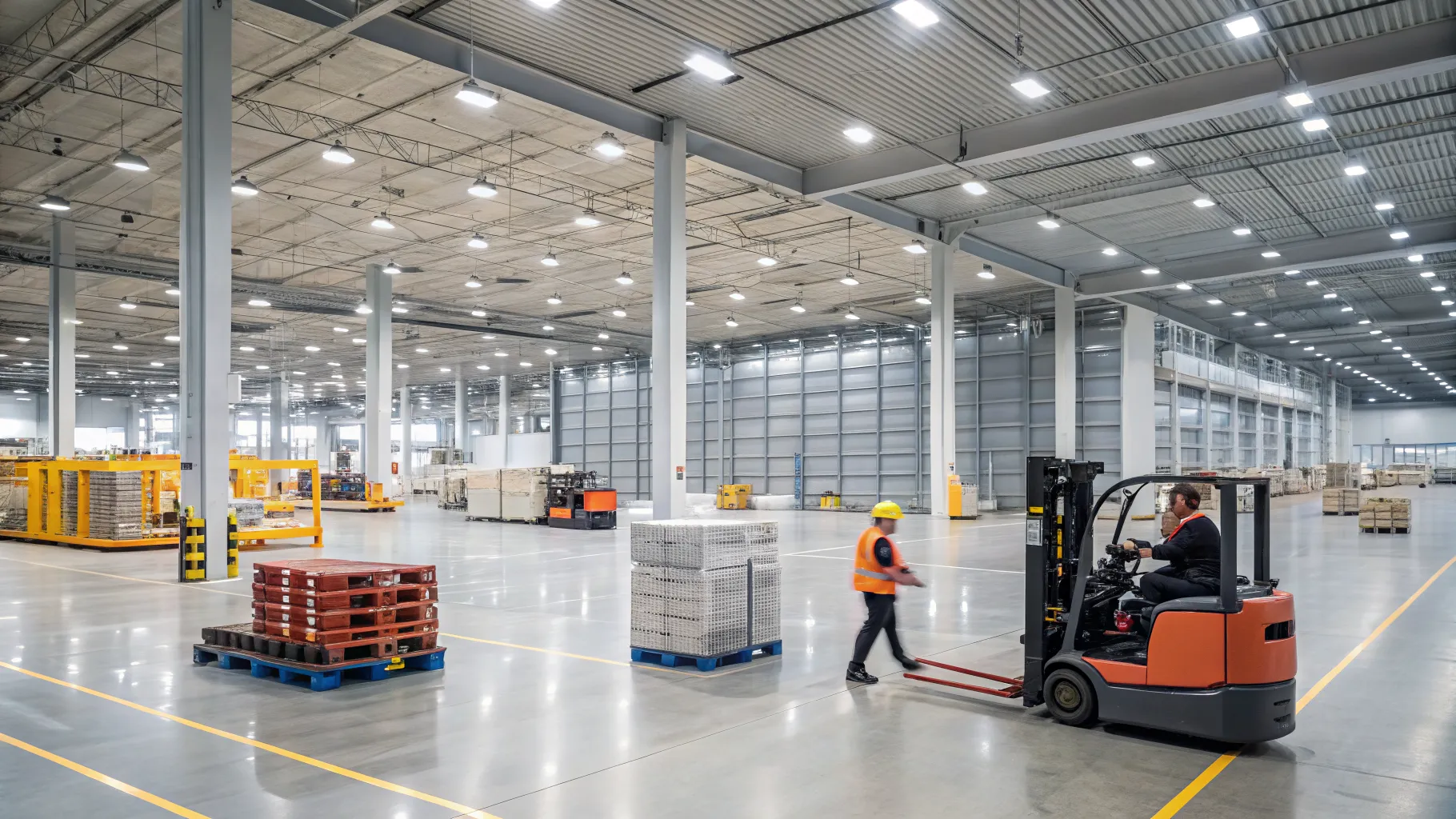
Key Fulfillment Roles Shaping Modern Warehouses
Modern warehouses and distribution centers are complex ecosystems requiring a diverse array of skilled individuals to ensure seamless operations. The demand for various fulfillment roles has surged, reflecting the increasing sophistication of warehouse logistics. These roles are critical in maintaining the flow of goods, managing inventory, and ensuring timely delivery, directly impacting customer satisfaction and business profitability. Understanding these key positions provides insight into the backbone of efficient supply chain management.
Warehouse Manager
The Warehouse Manager is at the helm of all distribution center operations, overseeing daily activities, staff management, safety protocols, and ensuring that all logistical processes align with company objectives. This role requires exceptional leadership skills, a deep understanding of warehouse logistics principles, and the ability to implement and manage logistics technology. They are responsible for optimizing space utilization, streamlining workflows, and minimizing operational costs while maximizing throughput and accuracy.
Logistics Coordinator
Logistics Coordinators play a crucial role in the day-to-day execution of supply chain management. They are responsible for organizing and monitoring the storage and distribution of goods, ensuring that products are shipped and received on time and within budget. This often involves coordinating with carriers, managing shipping documentation, and resolving any issues that arise during transit. Their attention to detail and ability to communicate effectively are paramount to efficient warehouse logistics.
Inventory Control Specialist
Accurate inventory management is foundational to successful warehouse logistics. Inventory Control Specialists are tasked with monitoring stock levels, conducting regular audits, and implementing strategies to minimize discrepancies and prevent stockouts or overstocking. They often utilize advanced logistics technology, such as Warehouse Management Systems (WMS), to track inventory movement, analyze data, and ensure optimal stock rotation, directly impacting the efficiency of fulfillment roles.
Forklift Operator and Material Handler
These hands-on fulfillment roles are essential for the physical movement of goods within the warehouse. Forklift Operators and Material Handlers are responsible for safely loading, unloading, stacking, and transporting materials. Their efficiency and adherence to safety standards are critical for maintaining productivity and preventing accidents. As warehouse logistics evolves, many also interact with automated systems, requiring adaptability and a commitment to continuous learning.
Robotics and Automation Technician
With the increasing integration of logistics technology, the role of Robotics and Automation Technician has become vital. These specialists are responsible for installing, maintaining, and troubleshooting automated systems, including robotic arms, autonomous mobile robots (AMRs), and advanced conveyor systems. Their expertise ensures that these technologies operate smoothly, enhancing the overall efficiency and precision of distribution center operations.
The Impact of Logistics Technology on Operations
The landscape of warehouse logistics has been profoundly reshaped by the rapid evolution and adoption of logistics technology. Automation, artificial intelligence (AI), and advanced data analytics are no longer futuristic concepts but integral components of efficient supply chain management. These technologies enable unprecedented levels of precision, speed, and cost-effectiveness in distribution center operations, fundamentally transforming how goods are handled and delivered. From intelligent sorting systems to predictive analytics for demand forecasting, technology is driving a new era of operational excellence.
Furthermore, the integration of these sophisticated tools has significantly altered the nature of many fulfillment roles. While some manual tasks are being automated, new positions requiring specialized technical skills for managing and maintaining these systems are emerging. This shift underscores the importance of continuous learning and upskilling for professionals in warehouse logistics, ensuring they remain relevant and valuable in an increasingly tech-driven environment. The strategic deployment of logistics technology is now a cornerstone of competitive advantage in the modern supply chain.
Challenges and Opportunities in Modern Warehouse Logistics
Modern warehouse logistics faces a dual challenge: navigating increasing consumer demands for speed and accuracy while contending with persistent labor shortages and rising operational costs. The surge in e-commerce has put immense pressure on distribution center operations to process and ship orders faster than ever before, often with tight margins. Additionally, the need for sustainable practices and reducing environmental impact adds another layer of complexity. However, these challenges also present significant opportunities for innovation and growth within the sector.
Companies are adapting by investing heavily in advanced logistics technology and optimizing their supply chain management strategies. Traditional labor-intensive approaches are being augmented or replaced by automation, creating more efficient and resilient operations. This transition also opens doors for individuals in fulfillment roles to transition into more skilled, technology-focused positions, such as managing robotic fleets or analyzing complex operational data. The firms that successfully embrace these technological and strategic shifts will emerge as leaders in the evolving landscape of warehouse logistics.
Strategies for Career Advancement in Supply Chain Management
- Upskill in Logistics Technology: Focus on learning warehouse management systems (WMS), robotics, and data analytics tools crucial for modern warehouse logistics. Proficiency in these areas will make you invaluable in today's automated environments.
- Pursue Certifications: Gain industry-recognized certifications in supply chain management or distribution center operations to enhance your resume and expertise. Certifications demonstrate a commitment to professional development and mastery of specialized knowledge.
- Network within the Industry: Connect with professionals in fulfillment roles and warehouse logistics to uncover new opportunities and insights. Industry events, online forums, and professional associations are excellent avenues for expanding your network.
- Embrace Continuous Learning: The field of warehouse logistics is constantly evolving, with new technologies and methodologies emerging regularly. Lifelong learning, whether through workshops, courses, or self-study, is essential for staying competitive and advancing your career.
- Develop Leadership and Problem-Solving Skills: Beyond technical expertise, strong leadership capabilities and the ability to effectively solve complex operational problems are highly valued in senior fulfillment roles and supply chain management.
Frequently Asked Questions
What is the primary function of warehouse logistics?
The primary function of warehouse logistics is to efficiently manage the flow of goods from their point of origin to the consumer, encompassing storage, inventory management, order fulfillment, and distribution processes to ensure products are delivered accurately and on time.
How have fulfillment roles evolved with e-commerce?
With the rise of e-commerce, fulfillment roles have become more specialized and technologically integrated, requiring skills in rapid order processing, precise inventory tracking, and the utilization of advanced logistics technology to meet fast delivery expectations and handle complex returns.
What are key challenges in distribution center operations today?
Key challenges in modern distribution center operations include labor shortages, the increasing complexity of omnichannel fulfillment, managing returns efficiently, adapting to new logistics technology, and maintaining cost-effectiveness while striving for sustainability.
Why is logistics technology crucial for modern warehouses?
Logistics technology is crucial for modern warehouses because it enables automation of repetitive tasks, improves inventory accuracy, enhances real-time visibility across the supply chain, optimizes space utilization, and significantly boosts overall operational efficiency and speed.
References
- Industry reports on logistics market growth
- Academic journals on supply chain innovations
- Professional insights from warehouse managers
- Publications on robotics and automation in logistics
Authored by MyTrendSpot team