Smart Strategies: Where to Save in Your Interior Painting Job and Cut Costs
Fast Facts:
- Many homeowners underestimate interior painting costs by 20-30%.
- The demand for sustainable, **cost-effective paint** options is rising for homeowners seeking **DIY painting savings**.
Unlocking Significant Savings on Your Interior Painting Project
Embarking on an interior painting project can transform your home's aesthetic, but it often comes with a significant price tag. Understanding where to save in your interior painting job is crucial for managing your finances effectively without sacrificing quality. This guide will provide comprehensive insights and actionable budget painting tips to help you reduce your overall interior painting costs, whether you're tackling the job yourself or hiring professionals. From strategic planning to smart material choices and efficient execution, we'll explore every avenue for maximizing your **DIY painting savings** and ensuring your **painting project budget** stays on track.
Strategic Planning and Preparation: The Foundation of Savings
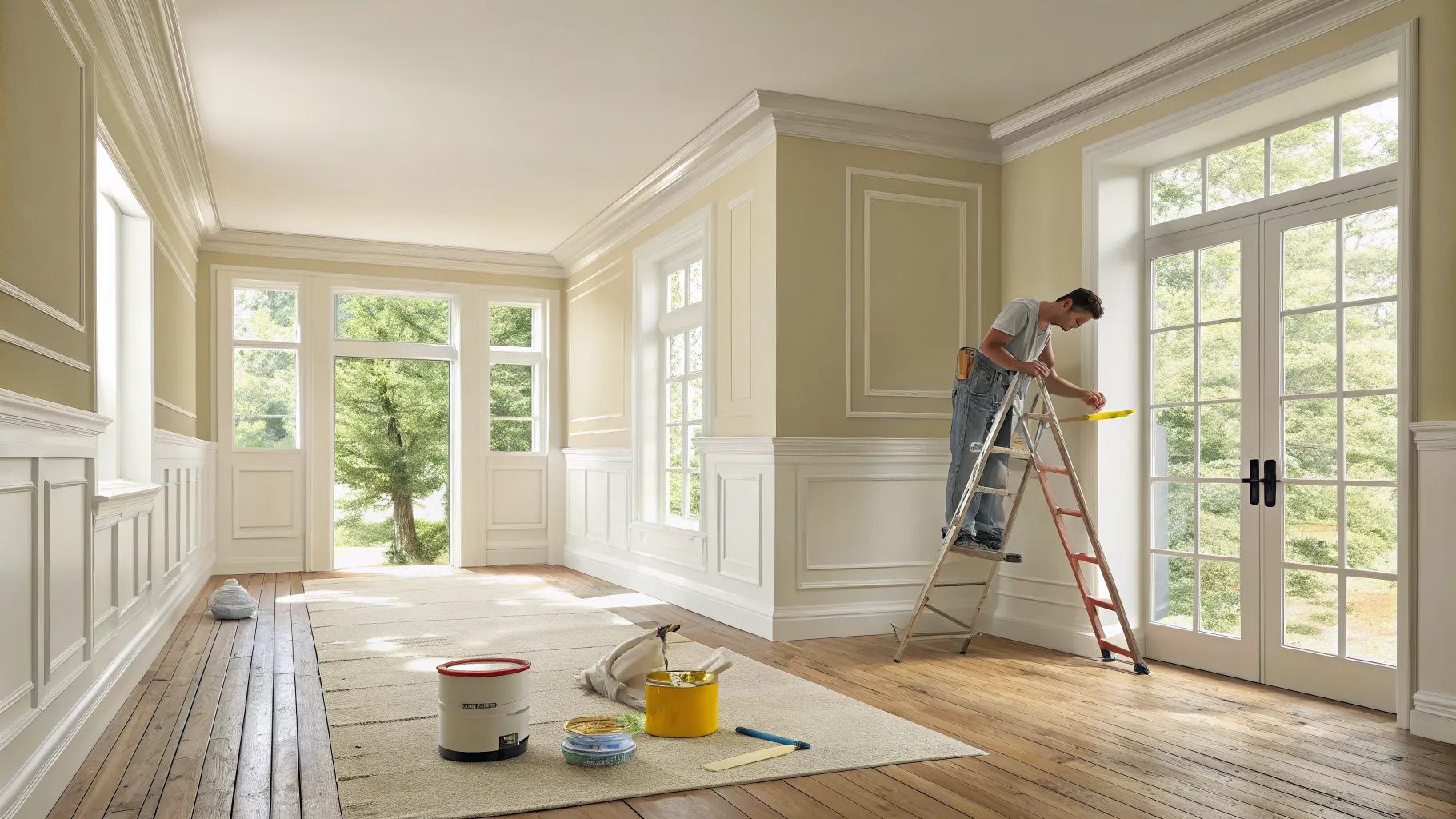
Effective planning is the cornerstone of any successful and economical painting project. To truly understand where to save in your interior painting job, you must first meticulously assess the scope. Begin by accurately measuring the square footage of the areas you intend to paint. This step is vital for purchasing the correct amount of paint, minimizing waste, and preventing costly last-minute trips to the store. Consider consolidating your paint purchases during sales or clearance events, which is a fantastic way to find **cost-effective paint** without compromising on quality. Furthermore, investing time in thorough surface preparation – cleaning, patching holes, sanding, and priming – cannot be overstated. A well-prepared surface not only ensures a smoother, more professional finish but also significantly reduces the amount of paint required and the need for future touch-ups, directly impacting your interior painting costs. Overlooking this stage often leads to re-work and additional expenses, completely negating any potential **DIY painting savings** you might have hoped for initially. Planning also involves creating a realistic timeline, which helps in avoiding rushed decisions that could lead to errors and material waste.
Choosing the Right Paint and Materials Wisely
The selection of paint and associated materials plays a pivotal role in determining your overall painting project budget. While it might be tempting to opt for the cheapest paint available, this can often be a false economy. Cheaper paints may require more coats for adequate coverage, leading to higher overall consumption and increased labor. Instead, focus on finding **cost-effective paint** that offers good coverage and durability. Look for mid-range options that balance quality and price. Brands often have different tiers, and a good quality middle-tier paint can provide excellent value. Moreover, consider the type of paint finish appropriate for each room. High-traffic areas like kitchens and bathrooms benefit from more durable, washable finishes, which might have a higher upfront cost but offer long-term savings due to their longevity and ease of maintenance, reducing future interior painting costs. When it comes to tools, buying good quality brushes, rollers, and painter's tape can also contribute to **DIY painting savings**. High-quality tools last longer, provide a better finish, and make the job easier and more efficient, making them a wise investment.
Leveraging DIY Efforts for Maximum Impact
One of the most significant areas where to save in your interior painting job is through strategic DIY efforts. You don't necessarily have to paint every wall yourself to achieve substantial **DIY painting savings**. Consider which parts of the project you are comfortable tackling. Tasks like preparing the room (moving furniture, covering floors), cleaning walls, patching small holes, and applying painter's tape are often straightforward and require more time than skill. By completing these preparatory tasks yourself, you can significantly reduce the labor hours required from **professional painter expenses**, if you choose to hire one for the actual painting. Even doing a single room or just the trim can result in considerable savings. For those confident in their abilities, undertaking the entire painting job can eliminate almost all labor **interior painting costs**. However, it's crucial to be honest about your skill level and available time. Rushing or performing a poor job will ultimately lead to more expenses down the line for corrections, underscoring the importance of well-executed **budget painting tips**.
Smart Hiring Practices for Professional Painter Expenses
If you decide to hire a professional, understanding how to manage professional painter expenses is key to maintaining your **painting project budget**. Get multiple quotes from different contractors. Don't automatically go with the lowest bid; instead, compare what each quote includes. Does it cover all materials, prep work, and cleanup? Ensure you get a detailed written estimate. Consider scheduling your painting project during off-peak seasons (typically late fall or winter) when painters might offer lower rates due to less demand. Being flexible with your schedule can translate directly into **interior painting costs** reductions. Also, discuss with your chosen painter what tasks you can complete yourself to reduce their labor hours, such as moving furniture, taping off areas, or even purchasing the paint directly. This collaborative approach can be a powerful way to implement **budget painting tips** and secure a more favorable price. Always check references and ensure the painter is licensed and insured, as this protects you from potential liabilities and costly mistakes.
Optimizing Your Project Timeline to Cut Costs
Efficiency in your project timeline can directly impact where to save in your interior painting job. Unnecessary delays can lead to prolonged equipment rentals (if applicable), extended labor hours for professionals, or even wasted materials if conditions change. Creating a clear, realistic schedule from start to finish helps to keep the project moving forward. For DIYers, dedicating specific blocks of time and sticking to them can prevent the project from dragging on, which often leads to fatigue and potential errors. For those hiring, a clear timeline ensures that **professional painter expenses** are contained within the agreed-upon scope. Communicate effectively with your painter about deadlines and expectations. Ensure all necessary materials are on site before the project begins to avoid any waiting time that could add to labor costs. By streamlining the entire process, you not only reduce direct expenses but also minimize disruption to your daily life, making the entire experience smoother and more cost-effective. Implementing these **budget painting tips** for time management is as crucial as managing material costs.
Post-Painting Care and Longevity: Long-Term Budgeting
Saving money on an interior painting job isn't just about the upfront **interior painting costs**; it also involves long-term considerations for maintaining the paint's integrity and appearance. Proper post-painting care can significantly extend the life of your paint job, postponing the need for repainting and thus offering substantial long-term **DIY painting savings**. Ensure proper ventilation during and after painting to allow the paint to cure effectively, enhancing its durability. Keep small amounts of leftover paint (properly sealed) for future touch-ups. This avoids the cost of buying new paint for minor repairs and ensures a perfect color match. Regularly cleaning your walls gently with appropriate cleaners helps maintain their fresh appearance and prevents the accumulation of dirt that could necessitate early repainting. Protecting walls in high-traffic areas or those prone to scuffs with furniture pads or careful placement can also preserve the finish. By taking these simple steps, you're not just saving today but investing in the longevity of your home's fresh look, making your initial **painting project budget** go further.
Key Actionable Advice for Minimizing Your Interior Painting Costs
- Get Multiple Quotes: Always obtain at least three detailed estimates from different contractors to compare **professional painter expenses** and scope of work.
- DIY Prep Work: Tackle tasks like cleaning, patching, and taping yourself to significantly reduce labor costs and maximize **DIY painting savings**.
- Buy During Sales: Purchase paint and supplies during promotional events or clearance sales to find **cost-effective paint** and materials.
- Choose Mid-Range Paint: Opt for good quality mid-tier paints that offer a balance of coverage, durability, and price over the cheapest options.
- Proper Surface Preparation: Thoroughly clean, sand, and prime surfaces to ensure better adhesion and fewer coats, directly impacting your overall **interior painting costs**.
- Efficient Use of Materials: Avoid over-purchasing paint by accurately calculating your needs and storing leftovers properly for touch-ups.
- Flexible Scheduling: If hiring, inquire about off-peak season rates to potentially lower **professional painter expenses**.
Frequently Asked Questions
How much can I realistically save by doing the prep work myself for an interior painting job?
By handling tasks like cleaning, patching, sanding, and taping yourself, you can potentially save 15-25% on the total labor portion of your **interior painting costs**, as these tasks can be time-consuming for professionals. This is one of the most effective **DIY painting savings** strategies.
Is it always cheaper to buy the paint myself rather than letting the painter supply it?
Not always, but often. Painters might get trade discounts, but by purchasing your own paint, especially during sales or with coupons, you have more control over the brand, quality, and often the final price, which can contribute to finding **cost-effective paint** options and managing your **painting project budget** more tightly.
What are the hidden interior painting costs I should be aware of?
Hidden costs can include unexpected repairs to walls, additional coats of paint due to poor surface prep or a drastic color change, rental of specialized equipment (like scaffolding), and potential charges for disposing of hazardous materials. Always factor in a contingency of 10-15% into your **painting project budget** for unforeseen issues.
References
- The Paint Quality Institute: Guide to Interior Painting
- Consumer Reports: Best Interior Paints and Painting Tips
- HomeAdvisor: Cost Guide for Interior Painting
- Remodelista: Essential Painting Supplies Checklist
- National Association of Home Builders: Home Maintenance Best Practices
Authored by MyTrendSpot team