Advanced Therapy for Chronic Back Pain: Innovations in Pain Management
Facts:
- Over 80% of adults experience back pain at some point.
- Rising demand for advanced therapy for chronic back pain among aging populations.
Revolutionizing Pain Relief: The Future of Advanced Back Pain Therapies
For millions worldwide, persistent chronic back pain remains a debilitating condition, significantly impacting quality of life. Traditional treatments often provide only temporary relief, leading to a continuous search for more effective and lasting solutions. As we look towards 2026, the landscape of advanced therapy for chronic back pain is undergoing a profound transformation, driven by breakthroughs in technology, deeper understanding of neurological pathways, and the integration of highly personalized approaches. This article explores the cutting-edge innovations poised to redefine how we approach and treat chronic spinal discomfort, offering new hope to those who have long suffered.
Emerging Frontiers in Regenerative Medicine for Spinal Health
Cellular and Gene Therapies
One of the most promising avenues in advanced therapy for chronic back pain lies within the realm of regenerative medicine. Scientists are increasingly leveraging the body's natural healing mechanisms to repair damaged tissues rather than merely masking symptoms. Cellular therapies, such as mesenchymal stem cell injections, are being refined to target degenerated intervertebral discs and cartilage. These treatments aim to regenerate damaged disc material, reduce inflammation, and alleviate nerve compression, providing a fundamental solution to underlying structural issues. Furthermore, gene therapies are emerging, focusing on delivering specific genetic material to modify cellular behavior, promoting anti-inflammatory responses or stimulating tissue growth within the spinal column. The precision and specificity of these treatments promise a paradigm shift in long-term pain management.
Biomaterials and Tissue Engineering
Complementing cellular approaches, innovative biomaterials and tissue engineering techniques are creating scaffolds that facilitate the repair and regeneration of spinal tissues. These biodegradable implants can be precisely placed to support damaged vertebrae or discs, encouraging new tissue growth. These materials are often infused with growth factors or stem cells, creating an optimal environment for healing. Research into biocompatible polymers and hydrogels is rapidly advancing, allowing for custom-designed implants that perfectly match individual patient anatomy and biomechanics. This integration of engineering with biology offers personalized and highly effective solutions for structural integrity and functional recovery, pushing the boundaries of what is possible in treating conditions that cause chronic back pain.
Neuromodulation Techniques: Precision Targeting of Pain Signals
Advanced Spinal Cord Stimulation (SCS)
Neuromodulation continues to evolve, offering sophisticated ways to intercept pain signals before they reach the brain. Advanced spinal cord stimulation (SCS) devices now feature adaptive programming, artificial intelligence integration, and high-frequency or burst stimulation patterns that provide superior pain relief with fewer side effects. These next-generation systems can learn and adjust to a patient's pain profile in real-time, optimizing therapy delivery throughout daily activities. For patients suffering from intractable chronic back pain, these innovations provide a non-opioid, reversible solution that significantly improves quality of life by precisely targeting specific nerve pathways responsible for transmitting pain signals.
Peripheral Nerve Stimulation (PNS) and Dorsal Root Ganglion (DRG) Stimulation
Beyond traditional SCS, peripheral nerve stimulation (PNS) and dorsal root ganglion (DRG) stimulation are gaining prominence for localized pain management. PNS targets specific peripheral nerves responsible for radiating pain, offering a less invasive option for certain conditions. DRG stimulation, on the other hand, targets the dorsal root ganglion, a cluster of nerve cells responsible for processing sensory information, including pain. This approach is particularly effective for highly localized pain, such as post-surgical pain or complex regional pain syndrome affecting specific limbs or areas of the back. The ability to precisely modulate nerve activity at these specific points represents a significant step forward in personalized advanced therapy for chronic back pain.
Minimally Invasive Surgical Innovations
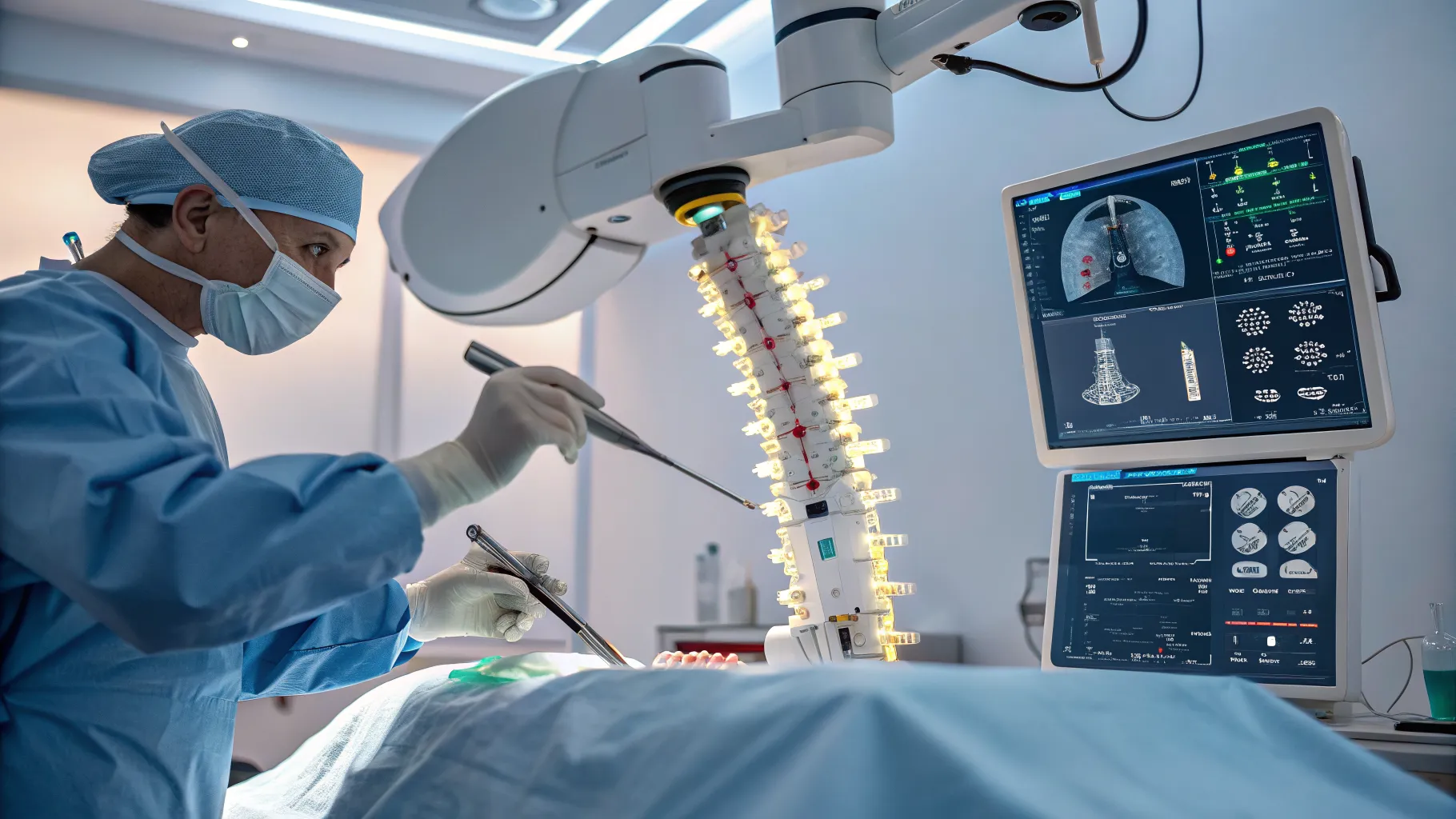
The trend towards less invasive procedures continues to dominate surgical advancements, significantly reducing recovery times and associated risks. Minimally invasive spinal procedures now utilize advanced imaging guidance, robotic assistance, and endoscopic techniques to perform complex surgeries through smaller incisions. These methods result in less muscle disruption, reduced blood loss, and faster return to function compared to traditional open surgeries. Innovations like percutaneous disc repair, motion-preserving spinal implants, and highly precise navigated fusion techniques are transforming surgical options for conditions ranging from herniated discs to spinal stenosis, offering patients less daunting and more effective routes to relief from chronic back pain.
Personalized Pain Management: A Holistic Approach
The future of advanced therapy for chronic back pain is increasingly personalized, moving away from a one-size-fits-all model. Genetic profiling, advanced diagnostics, and predictive analytics are allowing clinicians to tailor treatment plans to an individual's unique biological and psychological makeup. This includes identifying specific inflammatory markers, genetic predispositions to certain pain conditions, and an individual's response to various pharmacological agents. This comprehensive approach integrates physical therapy, psychological support, nutritional guidance, and targeted interventions, ensuring that every aspect of the patient's well-being is addressed. The goal is not just to reduce pain, but to restore function and enhance overall quality of life through truly personalized pain management strategies.
Navigating Your Options: Actionable Advice for Chronic Back Pain Sufferers
- Consult with a Specialist: Seek out pain management specialists or spine experts who are knowledgeable about the latest advanced therapy for chronic back pain. They can provide a comprehensive diagnosis and discuss emerging treatment options suitable for your specific condition. Do not settle for generic advice; demand a detailed discussion about personalized approaches.
- Explore Regenerative Therapies: Ask your doctor about the potential benefits of regenerative medicine for back pain, including stem cell or gene therapies. While some are still experimental, others are gaining clinical acceptance and might be appropriate for certain types of disc degeneration or joint issues. Understand the research and clinical trial landscape.
- Consider Neuromodulation: If conservative treatments have failed, discuss neuromodulation techniques like spinal cord stimulation (SCS) or dorsal root ganglion (DRG) stimulation. These advanced electrical implants can offer significant relief by directly modulating pain signals, often providing a life-changing alternative to opioids.
- Evaluate Minimally Invasive Procedures: Investigate whether minimally invasive spinal procedures are suitable for your condition. These techniques often lead to faster recovery and less post-operative pain compared to traditional surgery, making them an attractive option for many patients with structural issues causing back pain.
- Embrace a Holistic Strategy: Remember that even with advanced therapies, a holistic approach is crucial. Integrate physical therapy, targeted exercises, nutrition, and mental health support into your overall pain management plan. These complementary strategies enhance the effectiveness of medical interventions and improve long-term outcomes.
Frequently Asked Questions
What is the most promising advanced therapy for chronic back pain?
The most promising advanced therapy for chronic back pain often depends on the specific cause and individual patient profile. However, regenerative medicine approaches, such as stem cell therapies and advanced biomaterials, along with sophisticated neuromodulation techniques like AI-integrated spinal cord stimulators, are showing significant promise for long-term relief and tissue repair. Personalized treatment plans are key to identifying the most effective approach.
Are regenerative medicine treatments widely available for back pain?
While research in regenerative medicine for back pain is rapidly advancing, the widespread availability and insurance coverage vary. Some cellular therapies are FDA-approved, while others are still in clinical trials or offered through specialized clinics. It's crucial to consult with a specialist to understand the current landscape, efficacy, and regulatory status of these treatments in your region.
How do neuromodulation techniques help with chronic back pain?
Neuromodulation techniques work by delivering electrical impulses to specific nerves or the spinal cord, thereby interrupting or altering pain signals before they reach the brain. Devices like spinal cord stimulators (SCS) or dorsal root ganglion (DRG) stimulators can significantly reduce chronic pain, offering a non-pharmacological and reversible option for patients who haven't found relief from other treatments. These devices are often programmed to deliver customized therapy.
What are the benefits of minimally invasive spinal procedures?
Minimally invasive spinal procedures offer several advantages over traditional open surgery, including smaller incisions, reduced muscle damage, less blood loss, lower risk of infection, and often faster recovery times. For patients with specific structural issues causing chronic back pain, these techniques can lead to significant pain relief and improved function with a quicker return to daily activities.
References
- Journal of Spine Research & Therapy. "Emerging Regenerative Strategies for Disc Degeneration."
- Pain Management Today. "The Evolution of Neuromodulation in Chronic Pain."
- Clinical Orthopaedics and Related Research. "Advances in Minimally Invasive Spine Surgery."
- Global Pain Initiative. "Personalized Approaches to Chronic Back Pain Management."
- Spine Health Institute. "Future Trends in Spinal Therapeutics."
Authored by MyTrendSpot team