Automotive Engineering Jobs in the United States: A Comprehensive Career Guide
Fast Facts:
- Over 200,000 automotive engineers work globally.
- Demand for electric vehicle specialization is rapidly growing for automotive engineers.
Navigating the Landscape of Automotive Engineering Jobs in the United States
The field of automotive engineering jobs in the United States is dynamic, driven by relentless innovation and a global shift towards sustainable mobility. Aspiring automotive engineers entering this sector will discover a wide array of opportunities, from designing cutting-edge electric vehicles to developing advanced safety systems and autonomous driving technologies. This comprehensive guide delves into the various facets of pursuing a career in this exciting and evolving industry, highlighting key roles, required skills, and the future outlook.
Diverse Career Paths for Automotive Engineers
The scope of automotive engineering jobs in the United States is vast, encompassing numerous specializations that cater to different skill sets and interests. From research and development to manufacturing and testing, each path plays a crucial role in bringing the next generation of vehicles to life. Understanding these diverse roles is key for anyone considering a career as an automotive engineer.
Vehicle Design and Development Engineering
This critical area involves the conceptualization and detailed design of new vehicles and their components. Engineers in vehicle design and development work on everything from powertrain systems and chassis structures to vehicle aerodynamics and interior ergonomics. They use advanced CAD software and simulation tools to create prototypes and test designs virtually, ensuring optimal performance, safety, and efficiency. This field requires a strong understanding of mechanical principles, materials science, and increasingly, electrical and software engineering for integrated systems.
Advanced Powertrain and Electric Vehicle Technology
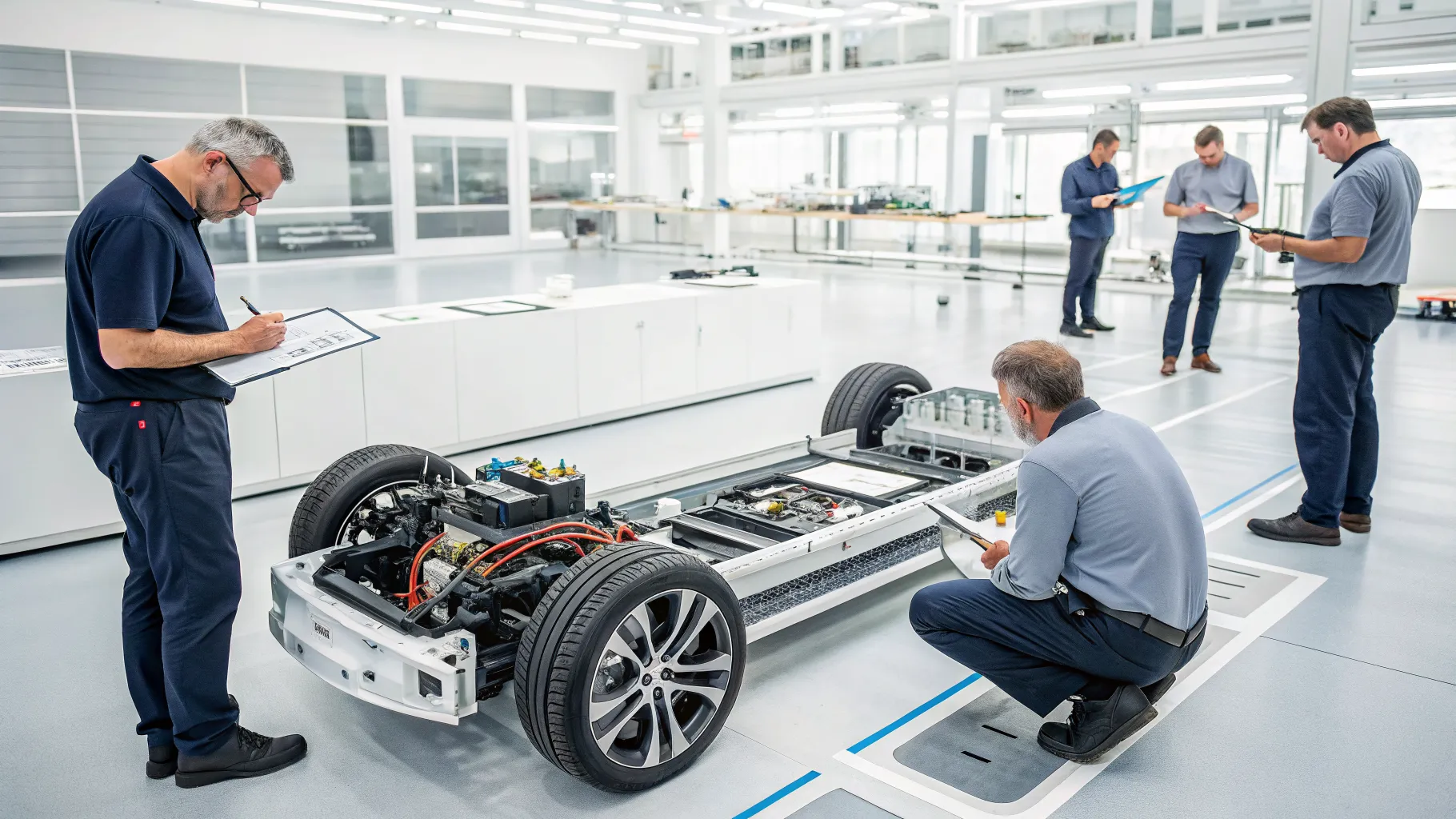
With the accelerating transition to electrification, expertise in electric vehicle technology is paramount. Engineers in this domain focus on designing, developing, and optimizing electric motors, battery packs, power electronics, and charging systems. They also work on hybrid vehicle systems, fuel cell technology, and alternative fuels. This specialization is at the forefront of innovation, addressing challenges related to range, charging infrastructure, and battery lifespan, making it a highly sought-after skill set within automotive engineering jobs in the United States.
Manufacturing and Production Engineering
Once a vehicle is designed, manufacturing engineers are responsible for optimizing the production processes. They ensure efficiency, cost-effectiveness, and quality control on the assembly line. This involves designing factory layouts, implementing robotic automation, and developing quality assurance protocols. Their work is crucial in scaling production from prototypes to mass-market vehicles, requiring a deep understanding of industrial processes, supply chain management, and lean manufacturing principles to maintain competitiveness in the global automotive industry.
Automotive Systems and Software Engineering
Modern vehicles are essentially computers on wheels, requiring sophisticated software and complex electronic systems. Engineers in this area develop embedded systems for engine control, infotainment, advanced driver-assistance systems (ADAS), and autonomous driving features. They are skilled in programming languages, real-time operating systems, and cybersecurity, ensuring that all electronic components communicate seamlessly and securely. The demand for these skills continues to grow exponentially as vehicles become more connected and intelligent, impacting all facets of automotive engineering jobs in the United States.
Essential Skills and Qualifications for Automotive Engineers
To excel in automotive engineering jobs in the United States, a combination of academic qualifications, technical proficiencies, and soft skills is essential. The industry demands continuous learning and adaptation to new technologies and methodologies.
- Strong Foundation in STEM: A bachelor's degree in mechanical, electrical, computer, or aerospace engineering is typically required. Many specialized roles benefit from a master's degree or Ph.D., especially in research and development or highly technical areas like autonomous systems.
- Proficiency in CAD/CAE Software: Tools like CATIA, SolidWorks, ANSYS, and MATLAB/Simulink are indispensable for vehicle design and development, simulation, and analysis. Familiarity with these programs allows engineers to create, test, and refine designs efficiently.
- Understanding of Vehicle Systems: Comprehensive knowledge of engine mechanics, chassis dynamics, electrical systems, and vehicle architecture is fundamental. This foundational understanding allows automotive engineers to troubleshoot problems and innovate effectively across different vehicle platforms.
- Problem-Solving and Analytical Skills: The ability to diagnose complex technical issues, analyze data, and devise innovative solutions is crucial. Automotive engineering often involves overcoming significant technical hurdles to meet performance, safety, and regulatory standards.
- Collaboration and Communication: Engineers frequently work in multidisciplinary teams, collaborating with designers, manufacturing personnel, and project managers. Effective communication skills, both written and verbal, are vital for conveying technical information and coordinating efforts.
- Adaptability to New Technologies: The automotive industry is constantly evolving with advancements in electrification, automation, and connectivity. Engineers must be proactive in learning new technologies and adapting their skills to remain relevant.
Future Trends Shaping Automotive Engineering Jobs in the United States
The automotive industry trends are rapidly transforming the landscape of automotive engineering jobs in the United States. Key drivers include electrification, autonomous driving, connectivity, and shared mobility. These trends are creating new challenges and opportunities for automotive engineers.
The shift towards sustainable transportation is accelerating the demand for expertise in electric vehicle technology, including advanced battery materials, efficient charging solutions, and power electronics. Simultaneously, the development of fully autonomous vehicles requires cutting-edge skills in artificial intelligence, machine learning, sensor integration, and real-time data processing. Connectivity, or V2X communication, links vehicles to their environment, demanding robust cybersecurity measures and network engineering capabilities. These interlocking advancements mean that future automotive engineers will need interdisciplinary skills, bridging traditional mechanical engineering with software development, data science, and electrical engineering.
Comparison of Major Automotive Hubs for Engineers
Several regions in the United States stand out as major hubs for automotive engineering jobs, each offering unique opportunities and specializations. Understanding these differences can help automotive engineers in their career planning.
Michigan, particularly the Detroit metropolitan area, remains the historic heart of the American automotive industry. It hosts the headquarters of major OEMs (Original Equipment Manufacturers) like General Motors, Ford, and Stellantis, as well as numerous tier-one suppliers and R&D centers. Opportunities here are broad, ranging from traditional vehicle development to cutting-edge research in electrification and autonomous systems. California, on the other hand, has emerged as a significant hub for electric vehicle technology and autonomous driving, driven by companies like Tesla and numerous tech startups in Silicon Valley. This region often focuses more on software, AI, and battery technology. Other emerging hubs include the Southeast (e.g., South Carolina, Alabama) with a strong presence of international OEMs like BMW and Mercedes-Benz, focusing heavily on manufacturing and advanced assembly processes, and the Southwest (e.g., Arizona, Texas) which is attracting investment in autonomous vehicle testing and development due to favorable climates and regulatory environments. Each region provides distinct career paths for those seeking automotive engineering jobs in the United States.
Frequently Asked Questions
What is the typical salary for an automotive engineer in the United States?
Salaries for automotive engineers in the United States vary significantly based on experience, location, education, and specialization. Entry-level positions might start around $60,000-$75,000 annually, while experienced engineers with specialized skills in areas like electric vehicle technology or autonomous systems can earn well over $100,000, and even up to $150,000 or more at senior levels.
What educational background is best for automotive engineering jobs in the United States?
A bachelor's degree in mechanical engineering is a common starting point for automotive engineering jobs in the United States. However, degrees in electrical engineering, computer engineering, or even materials science are becoming increasingly relevant, especially for roles in electric vehicle technology, software development, and advanced driver-assistance systems. A master's degree can provide a significant advantage for specialized or research-focused roles.
Are there many opportunities for automotive engineers in electric vehicle development?
Yes, opportunities in electric vehicle technology development are booming and represent a major growth area for automotive engineering jobs in the United States. The industry's rapid transition to electrification has created high demand for engineers specializing in battery design, motor control, power electronics, charging infrastructure, and overall EV system integration.
What are the biggest challenges facing automotive engineers today?
Current challenges for automotive engineers include navigating complex regulatory environments, ensuring the safety and reliability of autonomous systems, managing the high costs and supply chain complexities of electric vehicle technology, and integrating increasingly sophisticated software and connectivity features while maintaining cybersecurity. Additionally, the rapid pace of technological change requires continuous upskilling and adaptation.
How has the automotive industry changed in recent years?
The automotive industry has undergone a profound transformation, moving from a primary focus on internal combustion engines to a diverse landscape incorporating electric vehicle technology, hybrid powertrains, and the ambitious goal of autonomous driving. This shift also includes increased connectivity within vehicles and between vehicles and infrastructure, along with a growing emphasis on sustainable manufacturing practices and shared mobility solutions. These changes have significantly impacted the nature of automotive engineering jobs in the United States.
References
- Society of Automotive Engineers (SAE International)
- Bureau of Labor Statistics (BLS) - Mechanical Engineers
- Various industry reports on electric vehicle market growth
Authored by MyTrendSpot team