Unveiling the Future: Top New Wellness Gadget Trends for Men 2026
Facts:
- Global wellness tech market projected to exceed $1 trillion.
- Personalized AI coaches gaining traction for new wellness gadget trends for men 2026.
Exploring the Cutting Edge of Men's Health Technology
The landscape of personal well-being is undergoing a radical transformation, particularly for men, as technological innovations deliver increasingly sophisticated and personalized tools. The focus on holistic health has surged, prompting a demand for advanced men's wellness gadgets that transcend basic fitness tracking. These aren't just incremental updates; they represent a fundamental shift in how individuals interact with their health, offering unprecedented insights and proactive management capabilities. The next wave of health tech for men is designed not merely to monitor, but to predict, optimize, and prevent, integrating seamlessly into daily life to foster enduring well-being. This era of hyper-personalization promises a future where health management is intuitive, data-driven, and incredibly effective, redefining the very essence of masculine vitality and longevity.
Advanced Sleep Tracking and Optimization
Sleep remains a cornerstone of health, and the latest men's wellness gadgets are pushing the boundaries of sleep science. Beyond simple duration tracking, these devices now offer deep insights into sleep stages (REM, light, deep), micro-awakenings, breathing irregularities, and even environmental factors affecting sleep quality. Integrated with AI, they can analyze patterns over time, identify potential sleep disorders, and provide actionable recommendations for improvement. Imagine a device that adjusts your smart home lighting or temperature based on your real-time sleep data, or one that suggests specific meditation exercises tailored to your pre-sleep anxiety levels. These systems are moving towards holistic sleep ecosystems, encompassing smart mattresses, advanced wearables, and even brainwave-sensing headbands, all working in concert to ensure restorative rest. The goal is not just to quantify sleep but to truly optimize it, making it a powerful recovery tool for every man.
Personalized Nutrition and Hydration Monitors
Gone are the days of one-size-fits-all dietary advice. The new generation of health tech for men includes sophisticated gadgets that offer unparalleled personalization in nutrition and hydration. Devices capable of real-time blood glucose monitoring without invasive pricks, or smart water bottles that track electrolyte balance, are becoming mainstream. Wearable sensors can analyze sweat composition to recommend specific fluid and nutrient intake based on activity levels and environmental conditions. Furthermore, AI-powered apps, integrated with these physical devices, can craft dynamic meal plans, suggesting foods that optimize energy, recovery, and overall performance based on individual metabolic responses and genetic predispositions. These tools move beyond simple calorie counting to a nuanced understanding of how diet impacts every facet of a man's health, turning eating and drinking into a precisely managed science for peak physical and mental performance.
Next-Gen Stress Management and Mental Fitness Tools
The increasing pressures of modern life make stress management a critical component of men's health. Digital well-being tools are evolving rapidly to address this, offering more than just guided meditations. These new men's wellness gadgets include biofeedback devices that monitor heart rate variability (HRV), skin conductance, and brainwave activity in real-time, providing immediate feedback on stress levels. Augmented reality (AR) and virtual reality (VR) platforms are also emerging, offering immersive environments designed for relaxation, focus, or even cognitive training to build resilience. Personalized AI coaches within these apps learn individual stress triggers and coping mechanisms, offering customized exercises, mindfulness prompts, and cognitive behavioral therapy (CBT) techniques. The aim is to equip men with proactive tools to not only mitigate acute stress but also build long-term mental fortitude, transforming mental health from a reactive concern into a proactive pursuit of well-being.
Hyper-Personalized Fitness and Recovery Devices
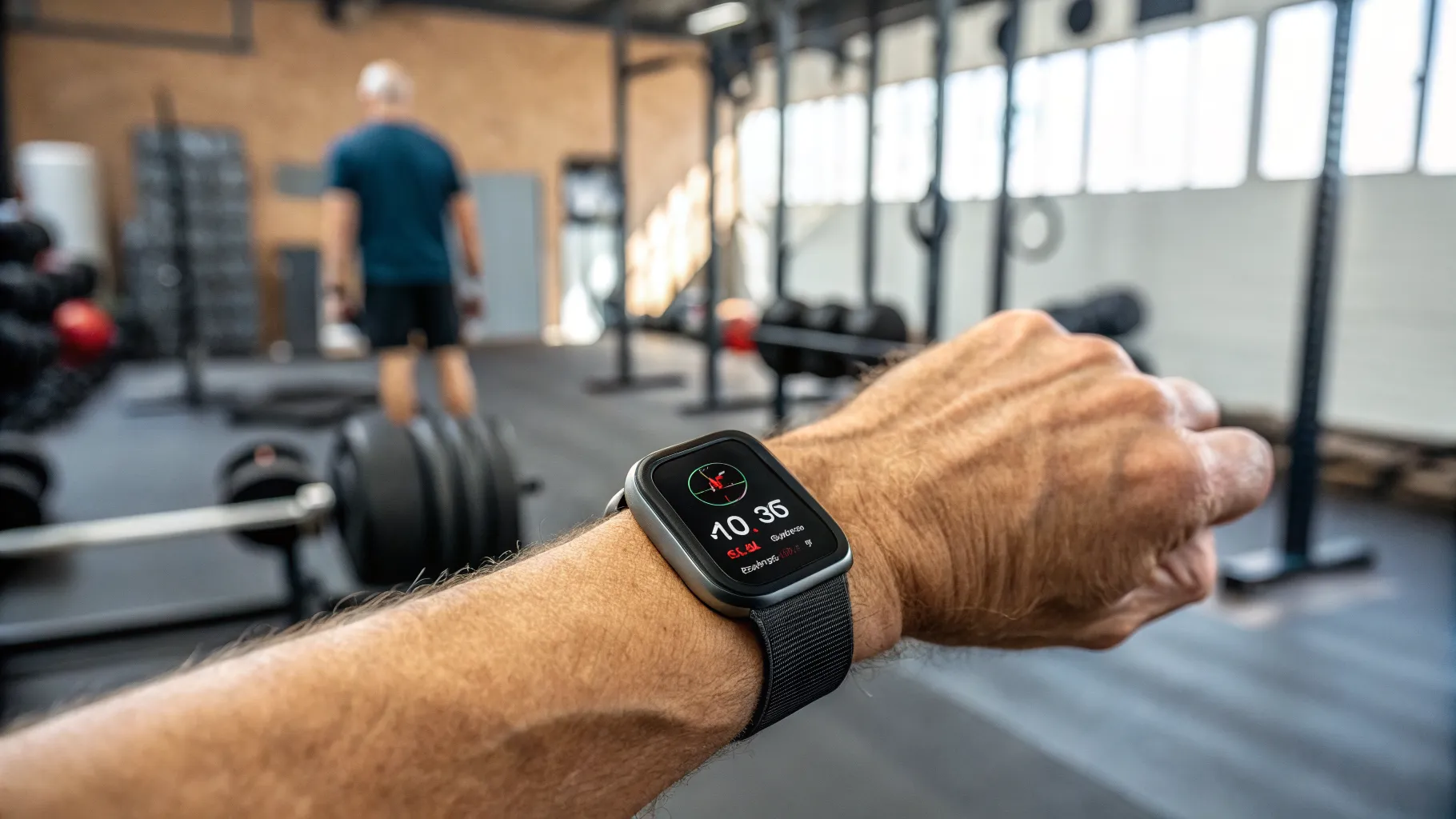
Fitness tracking has matured into hyper-personalized training and recovery. The smart fitness devices of 2026 integrate multiple data streams – from advanced wearables monitoring muscle oxygenation and lactate thresholds to smart apparel with embedded biometric sensors. These systems leverage AI to create dynamic workout plans that adapt in real-time based on fatigue, recovery status, and performance metrics, optimizing training load to prevent injury and maximize gains. Post-workout, sophisticated recovery tools, such as smart massage guns with pressure sensors, targeted electrostimulation devices, and even smart compression garments, use data to accelerate muscle repair and reduce soreness. The emphasis is on understanding the body's unique response to exercise and recovery, providing tailored guidance that goes far beyond generic fitness advice, ensuring every man can train smarter, recover faster, and achieve their specific fitness goals with unparalleled precision.
Proactive Health Screening and Predictive Analytics
The future of health tech for men is increasingly preventative. New wearable health tech devices are capable of continuous, non-invasive monitoring of a broader spectrum of vital signs and biomarkers. This includes early detection of cardiovascular irregularities, continuous blood pressure monitoring, and even preliminary screening for certain chronic conditions through advanced sensor arrays. The data collected by these devices, when analyzed by sophisticated AI algorithms, can identify subtle changes and patterns that might indicate an impending health issue long before symptoms appear. This predictive capability allows for proactive intervention, enabling men to consult healthcare professionals with meaningful data in hand, fostering a shift from reactive treatment to preventative care. These devices act as a personal health guardian, continuously scanning for potential risks and empowering users with the information needed to take charge of their long-term health trajectory.
Actionable Advice for Adopting Wellness Gadgets
- Research Thoroughly: Before investing in any men's wellness gadgets, identify your specific health goals (e.g., better sleep, improved fitness, stress reduction) and research devices that genuinely address those needs with scientific backing.
- Integrate Gradually: Don't try to overhaul your entire routine at once. Introduce new health tech for men gradually, allowing yourself time to adapt to the device and understand its data before adding another.
- Understand Your Data: While the gadgets provide data, truly understanding what the metrics mean for your body is crucial. Take time to read explanations, consult professionals, and learn how to interpret the insights offered by your smart fitness devices.
- Prioritize Privacy: Always review the privacy policies of any wearable health tech or digital well-being tools. Ensure your personal health data is secure and handled responsibly.
- Seek Professional Guidance: Remember that these gadgets are tools to support your well-being, not replacements for medical advice. If you have significant health concerns or questions, always consult a healthcare professional.
Frequently Asked Questions
What are the primary benefits of men's wellness gadgets?
The primary benefits include enhanced self-awareness through detailed biometric data, personalized insights into sleep, nutrition, and fitness, proactive stress management, and the potential for early detection of health anomalies. These tools empower men to take a more active and informed role in managing their overall health and well-being.
How do smart fitness devices differ from older models?
Modern smart fitness devices offer hyper-personalization through AI-driven analytics, integrate a wider range of biometric sensors (e.g., muscle oxygenation), provide real-time adaptive workout plans, and offer sophisticated recovery insights. They move beyond simple step counting to a comprehensive analysis of physiological responses to exercise and rest.
Is wearable health tech really accurate for critical health metrics?
While consumer-grade wearable health tech has improved significantly, accuracy can vary. For critical health metrics, many devices provide reliable trend data and early warnings, but they are generally not considered medical diagnostic tools. Always verify critical readings with medical-grade equipment or a healthcare professional.
References
- Global Wellness Institute. (2025). The Future of Wellness: A Global Outlook.
- Journal of Digital Health. (2026). Innovations in Wearable Biometrics for Men's Health.
- American Council on Exercise. (2026). Technology's Impact on Personalized Fitness Training.
- Sleep Science Research Institute. (2025). AI-Driven Sleep Optimization and Cognitive Performance.
- TechCrunch. (2026). The Rise of Proactive Health Screening in Consumer Electronics.
Authored by MyTrendSpot team