Understanding Bariatric Surgery Prices by State: Your Comprehensive Guide to Costs
Fast Facts:
- Costs for `bariatric surgery cost` vary significantly by location.
- Patient demand influences `weight loss surgery expenses` for specific regions.
Navigating the Complex Landscape of Bariatric Surgery Costs Across the USA
Understanding the intricacies of `bariatric surgery cost` can be a daunting task for individuals considering weight loss surgery. The price tag associated with procedures like `gastric bypass price` or `sleeve gastrectomy cost` is not uniform across the United States; it fluctuates dramatically based on geographical location, facility fees, surgeon experience, and the specific type of operation. Delving into these state-by-state variations is crucial for patients planning their medical journey, as it allows for informed decision-making and better financial preparation. This comprehensive guide aims to illuminate the factors contributing to these discrepancies and provide clarity on what to expect financially, offering insights into how patients can navigate the costs effectively and seek the most suitable care.
Factors Influencing Bariatric Surgery Prices
The total `bariatric surgery cost` is an amalgamation of several components, each contributing to the final bill. Understanding these factors is key to comprehending why prices vary so much. Firstly, geographic location plays a paramount role; metropolitan areas and states with higher living costs generally present elevated prices for medical procedures, including `weight loss surgery expenses`. This is often due to increased facility overheads, higher surgeon fees, and elevated anesthesia costs. Secondly, the type of bariatric procedure chosen significantly impacts the `gastric bypass price` or `sleeve gastrectomy cost`. Gastric bypass, being a more complex and longer procedure, typically carries a higher price tag than a sleeve gastrectomy. Thirdly, the facility where the surgery is performed—whether a large university hospital, a specialized bariatric center, or an outpatient surgical center—will also influence the cost. Accredited centers with state-of-the-art equipment and specialized staff might charge more, but they also offer a higher level of specialized care. Furthermore, pre-operative evaluations, post-operative care, and potential complications are additional variables that can affect the overall `bariatric surgery cost`, making it essential for patients to inquire about all-inclusive packages versus itemized billing.
A State-by-State Breakdown of Bariatric Surgery Costs
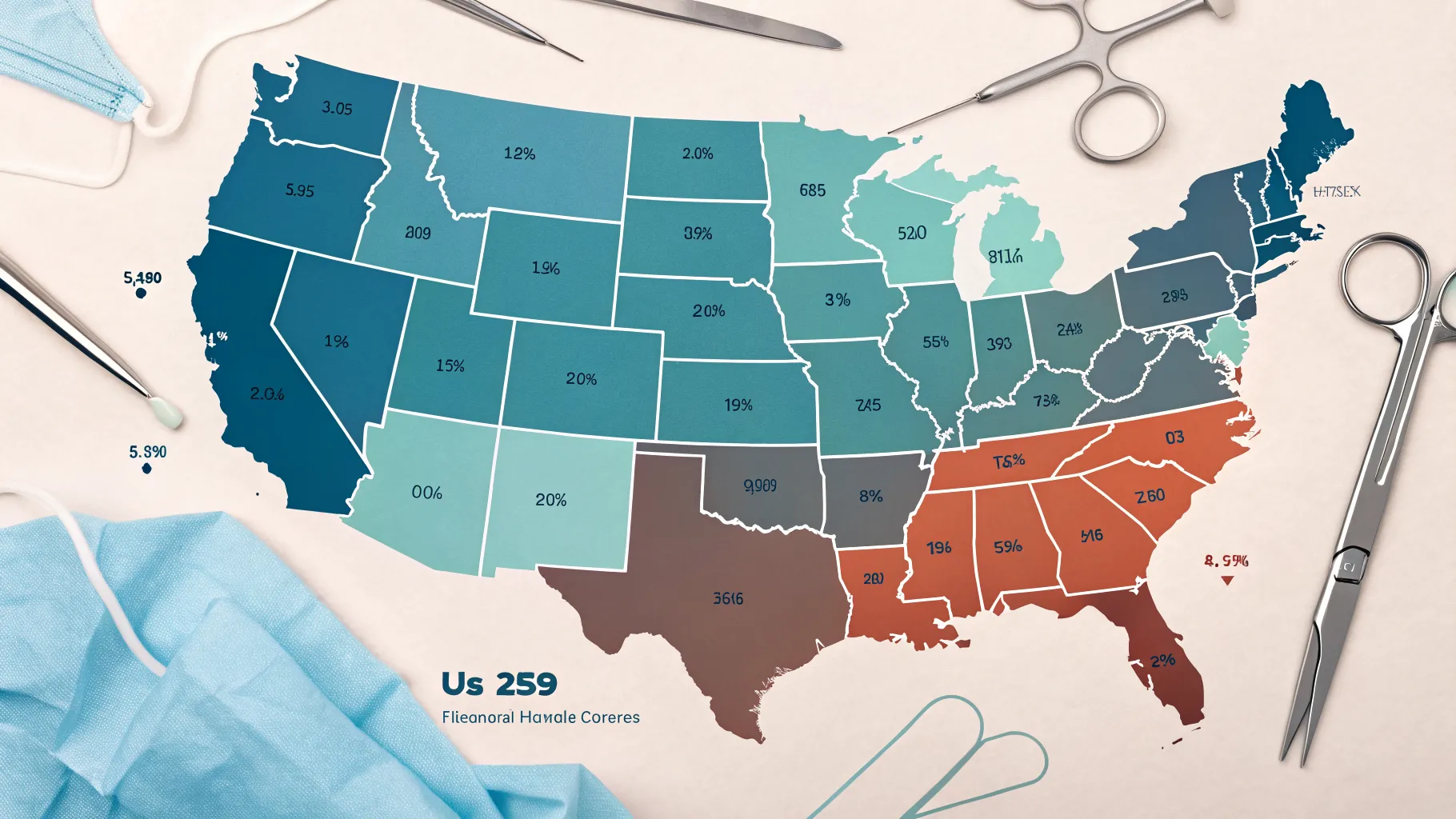
Exploring `state-by-state bariatric costs` reveals a fascinating economic landscape for weight loss surgery. While exact figures are constantly changing, general trends indicate significant regional disparities. In states like New York, California, and Massachusetts, the `bariatric surgery cost` for a gastric bypass can range from $25,000 to $40,000 or even higher. These states often have a higher cost of living and a greater demand for specialized medical services. Conversely, in Southern states such as Alabama, Mississippi, and Oklahoma, the same procedure might fall within the $15,000 to $25,000 range. Midwestern states like Ohio, Michigan, and Missouri often present costs somewhere in the middle, typically between $18,000 and $30,000. These figures are illustrative and can vary widely even within a single state depending on the specific hospital and surgeon. Patients must engage in thorough research and direct consultations to obtain precise quotes relevant to their specific situation, as these `weight loss surgery expenses` are a major financial commitment.
Insurance Coverage and Financial Aid for Bariatric Procedures
Navigating insurance coverage is a critical aspect when considering `bariatric surgery cost`. Many insurance plans, including Medicare and some Medicaid programs, do offer coverage for bariatric surgery, but typically with stringent requirements. These often include a documented history of obesity, attempts at supervised weight loss, psychological evaluations, and medical clearances. Patients must meticulously review their policy documents to understand their specific benefits, deductibles, co-pays, and out-of-pocket maximums for `gastric bypass price` or `sleeve gastrectomy cost`. For those without adequate insurance coverage, or for procedures not covered, various financial aid options exist. Medical financing companies offer specialized loans for healthcare procedures, allowing patients to pay for their `bariatric surgery cost` in installments. Hospitals and bariatric centers also frequently offer payment plans or financial assistance programs. Additionally, some patients explore medical tourism to countries where `weight loss surgery expenses` are significantly lower, though this path carries its own set of risks and considerations regarding post-operative care and follow-up.
Comparing Different Types of Bariatric Surgeries and Their Expenses
The choice of bariatric surgery profoundly impacts the `bariatric surgery cost`, with each procedure carrying a distinct price point due to its complexity, surgical time, and required resources. The most common types include gastric bypass, sleeve gastrectomy, and adjustable gastric banding. The `gastric bypass price` is generally the highest among these, reflecting its more invasive nature and the intricate reconstruction of the digestive system. A `sleeve gastrectomy cost` is typically less than gastric bypass, as it involves removing a portion of the stomach without rerouting the intestines, making it a simpler procedure. Adjustable gastric banding (lap band) used to be the least expensive option upfront, but its popularity has waned due to higher rates of complications and revision surgeries, which can increase long-term `weight loss surgery expenses`. When comparing these options, patients must consider not just the initial `bariatric surgery cost`, but also the potential for future costs related to revisions, nutritional supplements, and ongoing medical management, which are vital for long-term success and health.
Actionable Steps to Reduce Your Bariatric Surgery Expenses
Taking proactive steps can significantly mitigate the overall `bariatric surgery cost`. It is imperative for prospective patients to be well-informed and strategic in their approach to minimize `weight loss surgery expenses`. The following actionable advice outlines key strategies to help make bariatric surgery more affordable and accessible:
- Thorough Insurance Verification: Contact your insurance provider directly to understand precisely what your policy covers regarding `bariatric surgery cost`. Inquire about pre-authorization requirements, preferred providers, and any specific criteria that must be met for coverage of procedures like `gastric bypass price` or `sleeve gastrectomy cost`. Document all conversations, including dates, names, and reference numbers.
- Seek Multiple Quotes: Do not settle for the first quote you receive. Research different bariatric centers and surgeons, even across state lines if feasible, to compare `state-by-state bariatric costs`. Ask for detailed breakdowns of the total cost, ensuring all pre-operative tests, surgeon fees, anesthesia, facility fees, and post-operative care are included.
- Explore Financial Assistance Programs: Many hospitals and specialized bariatric clinics offer their own financial aid programs, payment plans, or discounts for self-pay patients. Inquire about these options and discuss your financial situation openly with the billing department.
- Consider Medical Loans and Credit Options: Specialized medical financing companies offer loans designed for healthcare expenses, often with lower interest rates than standard credit cards. Carefully evaluate the terms and conditions before committing to such a loan for your `bariatric surgery cost`.
- Investigate Employer Benefits: Some employers offer health and wellness programs that may include coverage or subsidies for weight loss surgeries. Check with your human resources department for any such benefits that could reduce your `weight loss surgery expenses`.
- Negotiate for Self-Pay Discounts: If you are paying out-of-pocket, sometimes there is room for negotiation. Hospitals and clinics may offer a lower cash price for upfront payment compared to their insured rates. Don't hesitate to ask if a self-pay discount is available for the `bariatric surgery cost`.
Frequently Asked Questions
Does insurance cover `bariatric surgery cost`?
Many insurance plans, including Medicare and some Medicaid programs, do cover bariatric surgery, but usually with strict eligibility criteria. These often include a documented history of obesity, failed supervised weight loss attempts, and psychological evaluations. It's crucial to verify your specific policy's coverage and requirements directly with your insurance provider.
What factors determine the `gastric bypass price`?
The `gastric bypass price` is determined by several factors, including the geographical location of the surgery (e.g., higher in metropolitan areas), the facility where it's performed (hospital vs. specialized center), the surgeon's fees and experience, anesthesia costs, pre-operative tests, and post-operative care. The complexity and duration of the gastric bypass procedure itself also contribute to its higher cost compared to other bariatric options.
Are payment plans available for `weight loss surgery expenses`?
Yes, many hospitals, bariatric centers, and medical financing companies offer payment plans or financing options to help manage `weight loss surgery expenses`. These plans allow patients to pay for their `bariatric surgery cost` over time through installments. It's recommended to discuss these options with the facility's financial counselor or explore specialized medical loan providers.
References
- American Society for Metabolic and Bariatric Surgery (ASMBS) Guidelines
- National Institutes of Health (NIH) Consensus Statement on Bariatric Surgery
- Various peer-reviewed medical journals on bariatric outcomes and costs
Authored by MyTrendSpot team