Best Cars for Seniors That Are Easy to Get In and Out Of: Finding Senior-Friendly Vehicles
Facts:
- Many seniors prioritize ease of entry and exit in vehicle selection.
- Demand for **senior-friendly vehicles** is increasing for improved mobility and independence.
Choosing the Right Easy Access Cars for Seniors
Finding the ideal vehicle when prioritizing accessibility and comfort is crucial for many older adults. The search for the **best cars for seniors that are easy to get in and out of** involves more than just aesthetics; it's about enhancing independence, ensuring safety, and providing a comfortable driving experience. Factors like door opening angles, seat height, and overall cabin design play a pivotal role in making a car truly accessible. This comprehensive guide explores key considerations and top vehicle categories to help you navigate the options and select a car that perfectly matches the needs of senior drivers and passengers, focusing on effortless entry and exit.
Key Features of Senior-Friendly Vehicles
When evaluating the **best cars for seniors that are easy to get in and out of**, several design elements stand out. These features are specifically engineered to provide maximum comfort, minimize physical strain, and enhance overall usability for older drivers and passengers.
Optimal Ride Height and Entry
One of the primary characteristics of **easy access cars for seniors** is an optimal ride height. Vehicles that are neither too low nor too high make it easier to slide in and out without excessive bending or climbing. Ideal seat height aligns closely with hip level, reducing strain on knees and back. Additionally, wide-opening doors and large door apertures are essential, allowing ample space for entry and exit, even when using mobility aids. The sill height, or the distance from the ground to the bottom of the door frame, should also be minimal to prevent tripping hazards and ensure a smooth transition into the cabin.
Spacious Interiors and Ergonomics
Beyond entry and exit, the interior design significantly impacts the driving experience for seniors. Ample head, leg, and hip room are vital, preventing a cramped feeling and allowing for comfortable posture. Seats should offer good lumbar support and adjustability, including power adjustments for fine-tuning the seating position. Controls should be intuitively placed, large, and easy to operate, with clear labeling. Features like heated seats and easy-to-reach climate controls contribute significantly to the overall comfort of **comfortable cars for elderly** occupants during longer journeys or in varying weather conditions.
Advanced Safety Systems
While not directly related to entry and exit, robust safety features are paramount for **safe cars for seniors**. Modern vehicles offer an array of driver-assistance technologies that can enhance confidence and prevent accidents. These include blind-spot monitoring, rear cross-traffic alerts, adaptive cruise control, lane-keeping assist, and automatic emergency braking. Excellent visibility, both forward and through side and rear windows, is also crucial, often aided by large mirrors and rearview cameras, making parking and maneuvering much simpler and safer for all drivers.
Ease of Operation and Visibility
Beyond safety systems, the overall user-friendliness of a vehicle is key. Simple infotainment systems with large, clear buttons or voice controls are preferred over overly complex touchscreens. Excellent outward visibility, combined with large windows and minimal blind spots, helps seniors feel more in control and aware of their surroundings. Furthermore, features such as a low loading floor in the cargo area can make it easier to load and unload groceries or luggage, which is an often overlooked aspect of a truly **senior-friendly vehicle**.
Top Categories for Comfortable Cars for Elderly Drivers
Several vehicle categories consistently rank high when considering **comfortable cars for elderly** individuals due to their inherent design advantages for accessibility and ride quality.
Compact SUVs
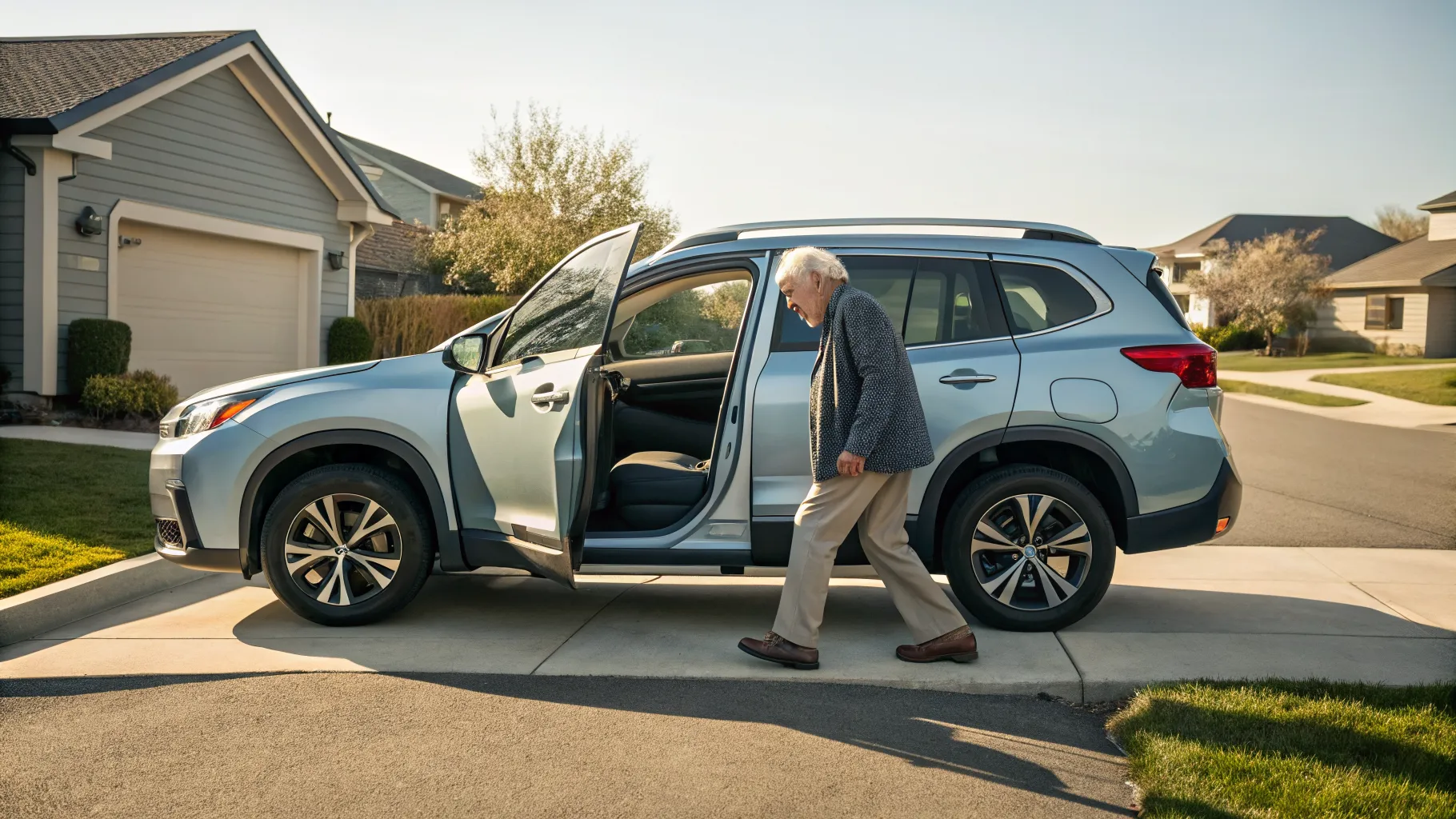
Compact SUVs often strike an excellent balance between a comfortable ride height, practical interior space, and manageable dimensions. Their slightly elevated seating position reduces the effort needed to get in and out, while many models offer wide door openings. Popular choices like the Subaru Forester, Honda CR-V, and Toyota RAV4 are frequently cited for their blend of reliability, safety features, and senior-friendly design. These vehicles typically provide good visibility and often come equipped with modern safety suites that are beneficial for older drivers, making them strong contenders for **easy access cars for seniors**.
Sedans with Higher Seating
While many traditional sedans might have lower seating, certain models are designed with a slightly elevated seating position or a cabin layout that facilitates easier entry and exit. These sedans often feature larger doors and offer a smoother ride than some SUVs, appealing to those who prefer a car-like driving experience but still need improved accessibility. Examples include some larger full-size sedans or specific models that have been engineered with passenger comfort as a top priority. When seeking **safe cars for seniors**, it's worth exploring these options as they often pair comfort with advanced safety tech.
Minivans
Minivans might not always be the first thought, but they are exceptionally practical and often the pinnacle of **high seating cars** for accessibility. With their sliding doors, low step-in height, and incredibly spacious interiors, minivans like the Honda Odyssey or Chrysler Pacifica offer unparalleled ease of access. The ability to move freely within the cabin, coupled with flexible seating arrangements and abundant cargo space, makes them ideal for seniors who frequently transport grandchildren, mobility aids, or need extra room for personal items. Their comprehensive safety features and smooth ride also add to their appeal.
Comparing Models for Safe Cars for Seniors
When selecting among the **best cars for seniors that are easy to get in and out of**, a direct comparison of specific models within the recommended categories can be highly beneficial. For instance, comparing a Subaru Forester (compact SUV) to a Honda CR-V reveals subtle differences in seat height and door aperture, both critical for **easy access cars for seniors**. The Forester is often praised for its excellent visibility and robust all-wheel-drive system, which can provide added confidence in varying conditions. The CR-V, on the other hand, frequently receives accolades for its refined interior and fuel efficiency. Similarly, when looking at **comfortable cars for elderly** drivers, evaluating a higher-sitting sedan like a Kia K5 against a small SUV often comes down to personal preference for driving dynamics versus absolute ease of entry. Minivans, while excelling in access, might be too large for some, making a compact SUV a more practical compromise. Crucially, all these vehicles should be evaluated for their suite of driver-assistance features to ensure they qualify as truly **safe cars for seniors**, offering features like advanced collision warning systems and robust airbag protection. Test driving each potential candidate is the best way to determine which vehicle truly provides the optimal blend of accessibility, comfort, and safety tailored to individual needs.
Practical Advice for Selecting High Seating Cars
Choosing the right vehicle goes beyond simply looking at specifications; it involves personal evaluation and thorough consideration of daily usage.
- Prioritize a Test Drive: Always test drive potential **high seating cars** to personally assess the ease of entry and exit. Pay attention to how easily you can get in and out of both the driver's and passenger's seats multiple times.
- Evaluate Seat Comfort and Adjustability: During the test drive, spend time adjusting the seat. Ensure it offers adequate support for your back and thighs, and that all necessary controls are within easy reach and simple to operate without excessive stretching or strain.
- Consider Door Openings and Sill Height: Pay close attention to how wide the doors open and the height of the door sill. Wider openings and lower sills significantly improve accessibility, especially for those with limited mobility.
- Assess Visibility and Controls: Check for clear all-around visibility, minimal blind spots, and easily decipherable controls for essential functions like climate, radio, and navigation. Large buttons and clear displays are a bonus for **senior-friendly vehicles**.
- Examine Cargo Access: If you frequently carry groceries, luggage, or mobility aids, evaluate the cargo area. A low lift-over height and ample space can make loading and unloading much easier, enhancing the overall utility of the **best cars for seniors that are easy to get in and out of**.
- Research Safety Ratings and Features: Consult independent safety ratings from organizations like the IIHS or NHTSA. Look for vehicles equipped with comprehensive active and passive safety features, which are vital for **safe cars for seniors**.
Frequently Asked Questions
What features make a car an easy access car for seniors?
Key features include an optimal seat height (hip-level), wide door openings, minimal sill height, ample interior space, and well-designed handholds. These elements work together to minimize bending, climbing, and twisting, making entry and exit significantly easier.
Are SUVs always the best senior-friendly vehicles?
Not necessarily. While many SUVs offer a good ride height, some can be too high or have narrow door openings. It's crucial to test drive and evaluate individual models. Some sedans with higher ground clearance or minivans can be equally, if not more, **senior-friendly vehicles** depending on specific needs.
What specific safety features should I look for in safe cars for seniors?
Look for advanced driver-assistance systems such as automatic emergency braking, blind-spot monitoring, rear cross-traffic alert, adaptive cruise control, and lane-keeping assist. Excellent visibility, large mirrors, and rearview cameras also contribute significantly to making **safe cars for seniors**.
How important is seat comfort in comfortable cars for elderly drivers?
Seat comfort is extremely important. Long-term comfort prevents fatigue and discomfort, especially on longer drives. Look for power-adjustable seats with good lumbar support, firm yet cushioned padding, and the ability to adjust the seat position easily. Heated seats can also add a layer of comfort in colder climates.
References
- Automotive Safety and Accessibility Standards for Older Drivers
- Ergonomic Design Principles in Modern Vehicle Interiors
- Consumer Reports Guide to Senior-Friendly Car Features
- National Council on Aging: Mobility and Transportation for Seniors
- Insurance Institute for Highway Safety (IIHS) Vehicle Ratings
Authored by MyTrendSpot team