Optimizing Your Drive: How Often Should You Replace EV Tires?
Facts:
- EVs put unique demands on tires due to instant torque and heavier battery packs.
- Tire technology for EVs is rapidly advancing to meet these specific performance requirements.
Understanding EV Tire Lifespan and Replacement Frequency
Drivers often wonder how often should you replace EV tires, given the distinct characteristics of electric vehicles. Unlike traditional internal combustion engine (ICE) cars, electric vehicle tires face unique stresses due to immediate high torque, heavier curb weights, and regenerative braking. These factors can significantly influence tire wear EV and ultimately determine the optimal EV tire replacement schedule. Understanding these dynamics is crucial for maintaining performance, safety, and efficiency.
Factors Accelerating EV Tire Wear
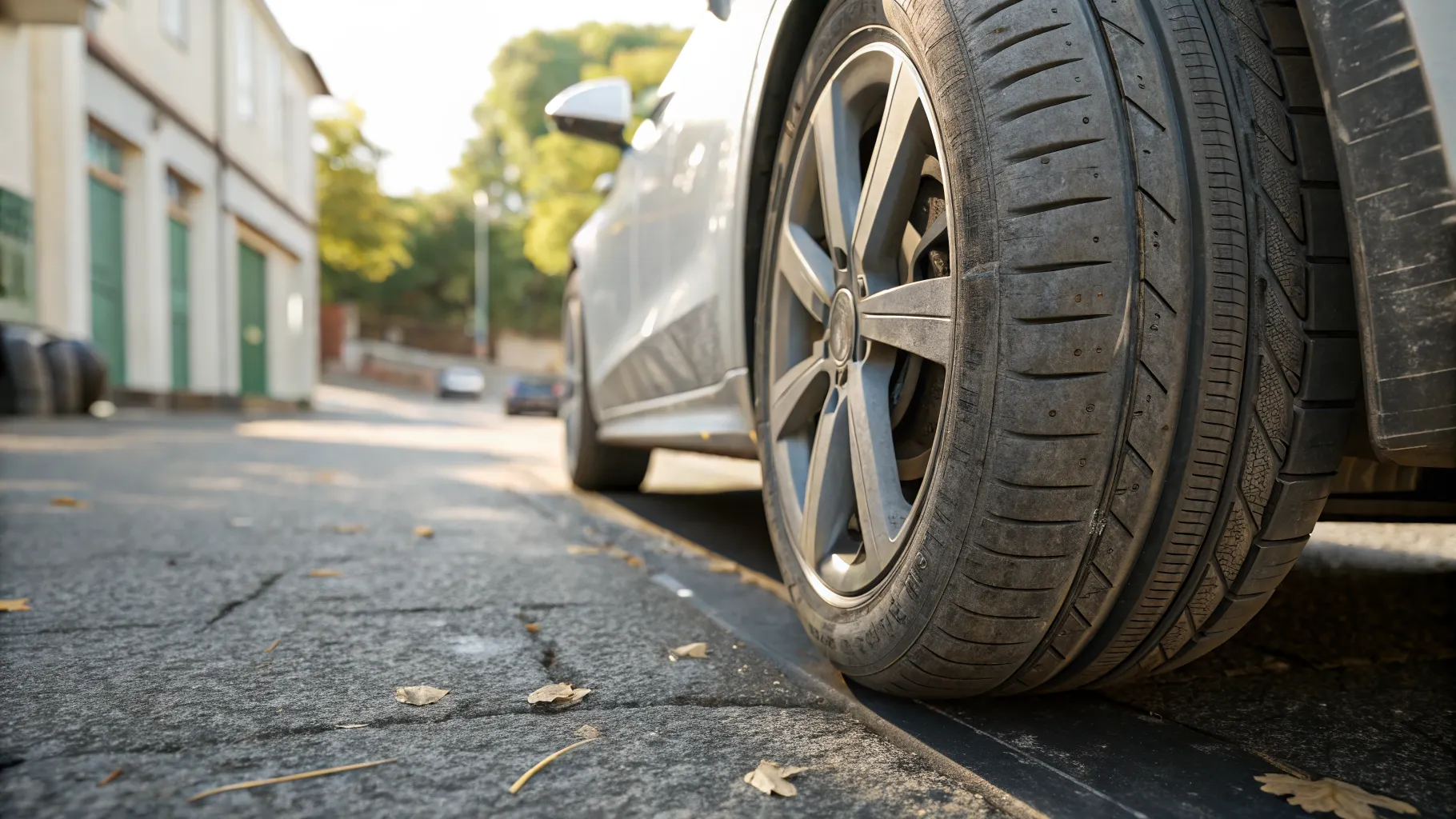
Several key factors contribute to accelerated EV tire wear, making the question of how often should you replace EV tires a frequent concern for owners. The inherent design of electric vehicles, particularly their powertrain and weight distribution, places unique demands on their tires. First, the instant and high torque delivery of electric motors can cause more rapid degradation of tire treads, especially during aggressive acceleration. This immediate power transfer subjects the tire rubber to intense shear forces, leading to quicker wear compared to the more gradual power delivery of gasoline engines. Second, the substantial weight of large battery packs significantly increases the overall vehicle mass. This added weight puts greater pressure on the tires, particularly during cornering and braking, which compresses the tire structure more intensely and can accelerate tread wear. Finally, regenerative braking, while energy-efficient, often uses the tires more aggressively than conventional friction braking in certain driving scenarios. While it reduces wear on brake pads, it can contribute to increased stress on the tire's contact patch, impacting its lifespan. Understanding these elements is fundamental to predicting EV tire lifespan.
The Unique Demands on Electric Vehicle Tires
The engineering behind electric vehicle tires is specifically tailored to address the distinct operational characteristics of EVs. These tires are not just standard tires repurposed for electric cars; they are designed with specific compounds and constructions to handle the unique stresses. For instance, many EV tire replacement options feature reinforced sidewalls to manage the heavier vehicle weight and enhanced load-bearing capabilities. The rubber compounds are often formulated to offer lower rolling resistance, which helps extend the vehicle's range, while also providing adequate grip for the instant torque. Furthermore, noise reduction is a significant consideration, as the absence of engine noise in an EV makes tire noise more prominent. Therefore, specialized tread patterns and acoustic foam inserts are often integrated into electric vehicle tires to minimize cabin noise, contributing to a quieter ride. These specialized features are why selecting the correct EV tire replacement is critical for optimal performance and comfort.
Estimating Your EV Tire Lifespan
Estimating your EV tire lifespan is a complex task, as it's influenced by a variety of interacting factors, making a definitive answer to how often should you replace EV tires challenging without considering individual circumstances. General estimates suggest that electric vehicle tires might last anywhere from 20,000 to 40,000 miles, but this is highly variable. Driving habits play an enormous role; aggressive acceleration, hard braking, and frequent high-speed cornering will undeniably shorten the lifespan of any tire, especially those under the strain of an EV's performance. Road conditions also contribute significantly; driving on rough, poorly maintained roads or those with sharp debris will wear tires down faster than smooth highway driving. Environmental factors like extreme temperatures can also affect tire rubber elasticity and wear characteristics. Regular tire maintenance electric vehicles practices, such as proper inflation and rotation, are paramount in extending EV tire lifespan, making a substantial difference in how quickly an EV tire replacement becomes necessary.
Effective Tire Maintenance for Electric Vehicles
Proper tire maintenance electric vehicles is not just recommended but essential for maximizing your EV tire lifespan and ensuring safety. Regular checks are fundamental to understanding how often should you replace EV tires. The most critical aspect is maintaining correct tire pressure, as under- or over-inflated tires can lead to uneven wear patterns, reduced efficiency, and compromised handling. Given the heavier weight of EVs, correct tire pressure is even more critical than for ICE vehicles. Tire rotation is another vital maintenance step; performing rotations every 5,000 to 7,500 miles can help distribute wear evenly across all four tires, thereby extending the overall life of the set. Regular wheel alignment checks are also important to prevent premature and uneven tire wear caused by misaligned wheels. A simple visual inspection for any signs of damage, such as cuts, bulges, or embedded objects, should be part of a routine check. Adhering to these maintenance practices can significantly delay the need for an EV tire replacement.
Choosing the Right EV Tire Replacement Options
When it's time for an EV tire replacement, selecting the appropriate tires is a decision that impacts not only safety and performance but also range and comfort. Many tire manufacturers now offer specific lines of electric vehicle tires designed to meet the unique demands of EVs. These specialized tires often feature advanced compounds for lower rolling resistance, allowing for greater energy efficiency and an extended driving range. They also commonly incorporate noise-dampening technologies to enhance cabin quietness, which is particularly noticeable in EVs. Furthermore, many EV-specific tires are engineered with higher load indices to safely support the heavier weight of electric vehicles and reinforced structures to handle the instant torque. When comparing options, consider factors such as tread life warranties, grip performance in various weather conditions, and the tire's overall impact on range. Investing in high-quality, EV-specific tires can lead to better driving dynamics, improved efficiency, and a longer interval before your next EV tire replacement.
Actionable Advice for Extending Your EV Tire Life
- Practice Smooth Driving Habits: Avoid aggressive acceleration and hard braking. Gentle starts and stops reduce stress on electric vehicle tires, significantly extending their life. This is especially true for EVs with their instant torque.
- Monitor Tire Pressure Regularly: Check tire pressure at least once a month, and always before long trips. Refer to your vehicle's manual or the sticker on the driver's side door jamb for the correct inflation levels. Proper pressure is key to even tire wear EV.
- Rotate Tires Consistently: Follow your vehicle manufacturer's recommendation for tire rotation intervals, typically every 5,000 to 7,500 miles. This helps ensure even wear across all four tires, maximizing their collective EV tire lifespan.
- Get Regular Wheel Alignments: Have your alignment checked annually or if you notice any pulling or uneven wear. Proper alignment prevents premature and irregular wear patterns, delaying the need for an EV tire replacement.
- Inspect for Wear and Damage: Routinely check your tires for signs of wear, cuts, bulges, or embedded objects. Address any issues promptly to prevent further damage or safety hazards. This proactive approach supports effective tire maintenance electric vehicles.
Frequently Asked Questions
How do electric vehicle tires differ from conventional tires?
Electric vehicle tires are specifically engineered to handle the heavier weight of EV batteries, the instant torque delivery, and to provide lower rolling resistance for increased range, often featuring reinforced sidewalls and specialized compounds for durability and efficiency. They also frequently incorporate noise reduction technologies.
Does regenerative braking affect tire wear?
Yes, regenerative braking can contribute to tire wear EV. While it reduces wear on brake pads, the process of the tires slowing the vehicle to convert kinetic energy back into electricity can put unique stresses on the tires, particularly during aggressive deceleration, impacting EV tire lifespan.
What is a good mileage to expect before EV tire replacement?
The mileage before an EV tire replacement varies widely, typically ranging from 20,000 to 40,000 miles. This depends heavily on driving style, road conditions, tire type, and adherence to tire maintenance electric vehicles schedules like rotation and proper inflation.
Are EV tires more expensive to replace?
Generally, specialized electric vehicle tires designed for performance, range, and quietness can be more expensive than standard conventional tires. However, the exact cost depends on the brand, size, and specific features of the tire chosen for EV tire replacement.
References
- Automotive industry reports on EV tire technology advancements
- Studies on the impact of vehicle weight and torque on tire degradation
- Manufacturer guidelines for electric vehicle tire maintenance
- Independent consumer surveys on tire lifespan and performance
Authored by MyTrendSpot team