Discover the Best Colon Cancer Screening Centers in America for Early Detection
Facts:
- Routine colonoscopies save lives.
- Screening rates are increasing for colorectal cancer prevention.
Navigating America's Premier Colon Cancer Screening Facilities
Identifying the best colon cancer screening centers in America is a critical step for individuals seeking proactive health management and effective colorectal cancer prevention. With advancements in medical technology and a deeper understanding of cancer biology, these leading facilities offer state-of-the-art diagnostic tools and comprehensive care pathways. Choosing a top-tier center can significantly impact the efficacy of screenings and the overall patient experience, ensuring the highest standards of accuracy and support in the crucial journey toward early detection colon cancer.
The Imperative of Early Detection in Colorectal Cancer Prevention
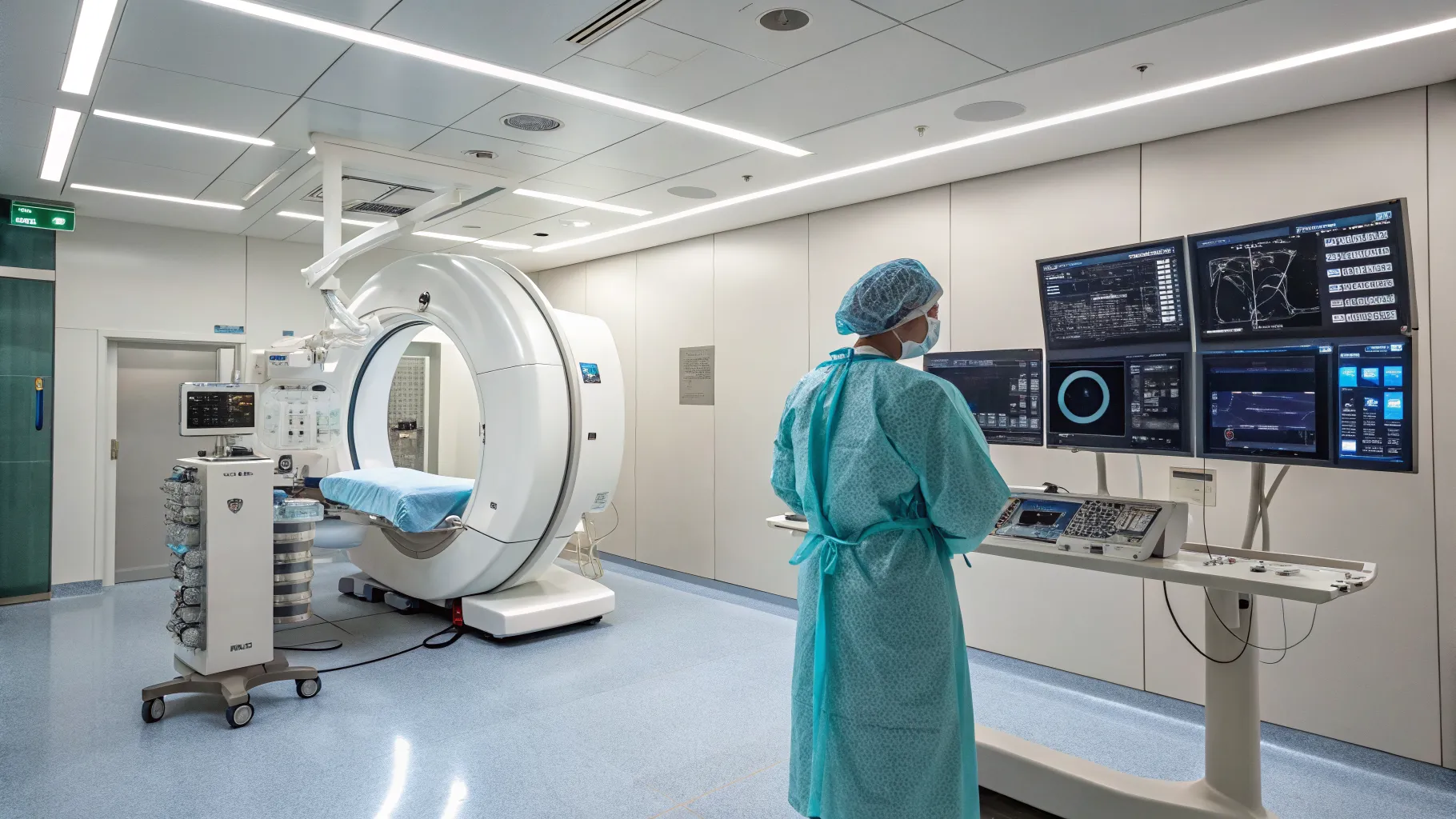
The significance of early detection in the fight against colorectal cancer cannot be overstated. When colorectal cancer is identified at its earliest stages, localized to the colon or rectum, the five-year survival rate is substantially higher. This emphasizes why routine colon cancer screening is not merely a recommendation but a vital health strategy. Leading centers prioritize educating patients about the importance of timely screenings, leveraging advanced techniques to detect polyps or cancerous growths before they become advanced. Their integrated approach often includes genetic counseling for those with a family history, further enhancing personalized colorectal cancer prevention strategies.
Key Factors Defining Top Cancer Centers for Screening
When evaluating the best colon cancer screening centers in America, several crucial factors differentiate the top institutions. These include cutting-edge technology, highly specialized medical teams, and a patient-centered approach to care. The amalgamation of these elements ensures that individuals receive the most accurate diagnoses and a supportive environment throughout their screening process. Such centers often lead in research and adopt the latest guidelines, offering access to innovative screening methods and follow-up care plans that are tailored to individual risk profiles.
Advanced Technology and Techniques
Top cancer centers for screening distinguish themselves through their investment in advanced diagnostic technologies. This includes high-definition colonoscopes that provide clearer images, allowing for the detection of even the smallest polyps. Many also offer virtual colonoscopy (CT colonography) for specific cases, providing a less invasive option. Beyond the primary screening tools, these facilities often utilize artificial intelligence (AI) assisted detection systems, enhancing the accuracy of polyp identification during procedures. The commitment to incorporating such sophisticated tools is paramount for precise and effective colon cancer screening, improving the chances of early detection colon cancer significantly.
Expert Medical Teams and Specialized Care
The caliber of the medical team is another hallmark of the best colon cancer screening centers in America. These centers are staffed by board-certified gastroenterologists, oncologists, pathologists, and specialized nurses who possess extensive experience in colorectal health. Their expertise ensures not only the technical proficiency of the screening procedure but also the accurate interpretation of results and the formulation of appropriate follow-up care. A multidisciplinary approach means that if an abnormality is found, patients have immediate access to a coordinated team of specialists for comprehensive treatment planning, reinforcing robust colorectal cancer prevention.
Comprehensive Patient Support and Follow-up
Beyond the medical procedure itself, leading screening facilities America provide extensive patient support. This includes thorough pre-procedure counseling, clear instructions for preparation, and compassionate post-procedure care. They offer educational resources to help patients understand their results, lifestyle modifications for risk reduction, and the importance of adhering to follow-up schedules. Psychological support and navigation services are also often available, addressing the holistic needs of patients. This comprehensive approach ensures that patients feel informed, comfortable, and well-cared for throughout their entire screening journey, which is vital for sustained colorectal cancer prevention efforts.
Regional Excellence: Identifying Leading Screening Facilities America
While excellence in colon cancer screening can be found nationwide, certain regions and institutions have consistently emerged as leaders, known for their research, clinical volumes, and patient outcomes. These hubs of medical innovation attract top talent and resources, making them go-to destinations for individuals seeking the highest standard of care. Understanding the geographic distribution of these exemplary facilities can help patients make informed decisions about where to seek their preventative care.
Northeast's Pioneering Institutions
The Northeast is home to several pioneering institutions renowned for their contributions to cancer care and research. Centers in major metropolitan areas like New York and Boston often boast long histories of medical innovation and significant patient volumes, providing extensive experience in colon cancer screening. They are typically at the forefront of adopting new technologies and developing advanced protocols for early detection colon cancer, often participating in clinical trials that push the boundaries of current practices.
Southern States' Emerging Leaders
The Southern states have seen a rapid rise in specialized cancer centers that are now recognized among the top cancer centers for screening. These facilities combine state-of-the-art infrastructure with a strong commitment to community outreach and patient education. Many are affiliated with major university systems, integrating academic research with clinical practice to offer cutting-edge care and enhance regional colorectal cancer prevention initiatives, making quality screening more accessible to diverse populations.
West Coast's Innovative Approaches
On the West Coast, institutions are often celebrated for their innovative approaches and integration of technology into healthcare. Centers in California, for example, frequently lead in adopting minimally invasive techniques and personalized medicine strategies for colon cancer screening. Their focus on holistic patient well-being and pioneering research methodologies makes them prominent contenders when considering the best colon cancer screening centers in America, providing comprehensive care that extends beyond the screening itself.
Understanding Your Colon Cancer Screening Options
Navigating the various colon cancer screening options available can be complex, but understanding them is key to making an informed decision with your healthcare provider. The most common and often recommended method is a colonoscopy, which allows for direct visualization of the entire colon and the removal of polyps during the same procedure. However, other options exist, including stool-based tests like FIT (Fecal Immunochemical Test) or stool DNA tests, and imaging tests such as CT colonography (virtual colonoscopy). Each method has its own advantages and limitations, and the best choice depends on individual risk factors, preferences, and medical history. Discussions with medical professionals at top cancer centers will help tailor a personalized screening plan that maximizes early detection colon cancer opportunities.
Actionable Steps Towards Proactive Health
Consult Your Physician
Your primary care physician is your first and most important resource. Discuss your medical history, family history of cancer, and any symptoms you may be experiencing. They can help determine your personal risk factors and recommend when and which type of colon cancer screening is most appropriate for you. Early and open communication with your doctor is a cornerstone of effective colorectal cancer prevention.
Research Top Cancer Centers
Once you have a recommendation, take the time to research specific screening facilities America. Look for centers with high patient satisfaction scores, accreditations, and published outcomes data. Consider their expertise in specific screening technologies and their commitment to patient education and support. The best colon cancer screening centers in America will provide transparent information and a comprehensive approach to care.
Understand Insurance Coverage
Before undergoing any screening, verify your insurance coverage for the recommended procedures and facilities. Screening guidelines and coverage can vary, so understanding what your plan covers can help avoid unexpected costs. Many insurance plans now fully cover preventative colon cancer screening, but it's always best to confirm directly with your provider and the chosen center's billing department to ensure a smooth process.
Frequently Asked Questions
What is the recommended age for colon cancer screening?
For individuals with an average risk, the recommended age to begin routine colon cancer screening is typically 45. However, if you have a family history of colorectal cancer or other risk factors, your doctor may recommend starting screenings earlier. It is crucial to discuss your personal health profile with your physician to determine the most appropriate timeline for you.
How often should I undergo colorectal cancer prevention screenings?
The frequency of screenings depends on the type of test and your individual risk factors. A colonoscopy, for example, is generally recommended every 10 years for average-risk individuals if results are normal. Stool-based tests usually require more frequent screening, often annually. Your healthcare provider will advise on the optimal schedule to ensure effective colorectal cancer prevention based on your specific circumstances and previous screening results.
Are there non-invasive options for early detection colon cancer?
Yes, there are several non-invasive options available for early detection colon cancer. These include stool-based tests like the Fecal Immunochemical Test (FIT) and multi-target stool DNA tests (e.g., Cologuard). Virtual colonoscopy (CT colonography) is another less invasive option. While these tests are convenient, a positive result typically necessitates a follow-up colonoscopy to confirm findings and remove any detected polyps. Discuss these options with your doctor to see if they are suitable for your situation.
References
- American Cancer Society Guidelines for Colorectal Cancer Screening.
- National Cancer Institute: Colorectal Cancer Screening (PDQ®)–Health Professional Version.
- Gastroenterology medical journals and clinical studies on screening efficacy.
- Leading academic medical centers' colorectal health program descriptions.
Authored by MyTrendSpot team