Find the Best Ergonomic Office Chair for Your Home Office Setup
Facts:
- Poor posture reduces productivity by 30%.
- Increased demand for ergonomic office chairs for home office setup.
Optimizing Your Workspace with the Right Ergonomic Office Chair
In today's evolving work landscape, creating a productive and healthy home office setup is paramount. A crucial element of this is the choice of your office chair. Investing in the best ergonomic office chair for home is not merely a luxury; it's a necessity for long-term well-being and sustained productivity, directly impacting your physical health and mental focus during long hours. Understanding the nuances of what makes a chair truly ergonomic is the first step towards transforming your daily work experience and mitigating common issues like back pain and fatigue. This investment contributes significantly to your overall workspace comfort and prevents chronic ailments that arise from improper seating.
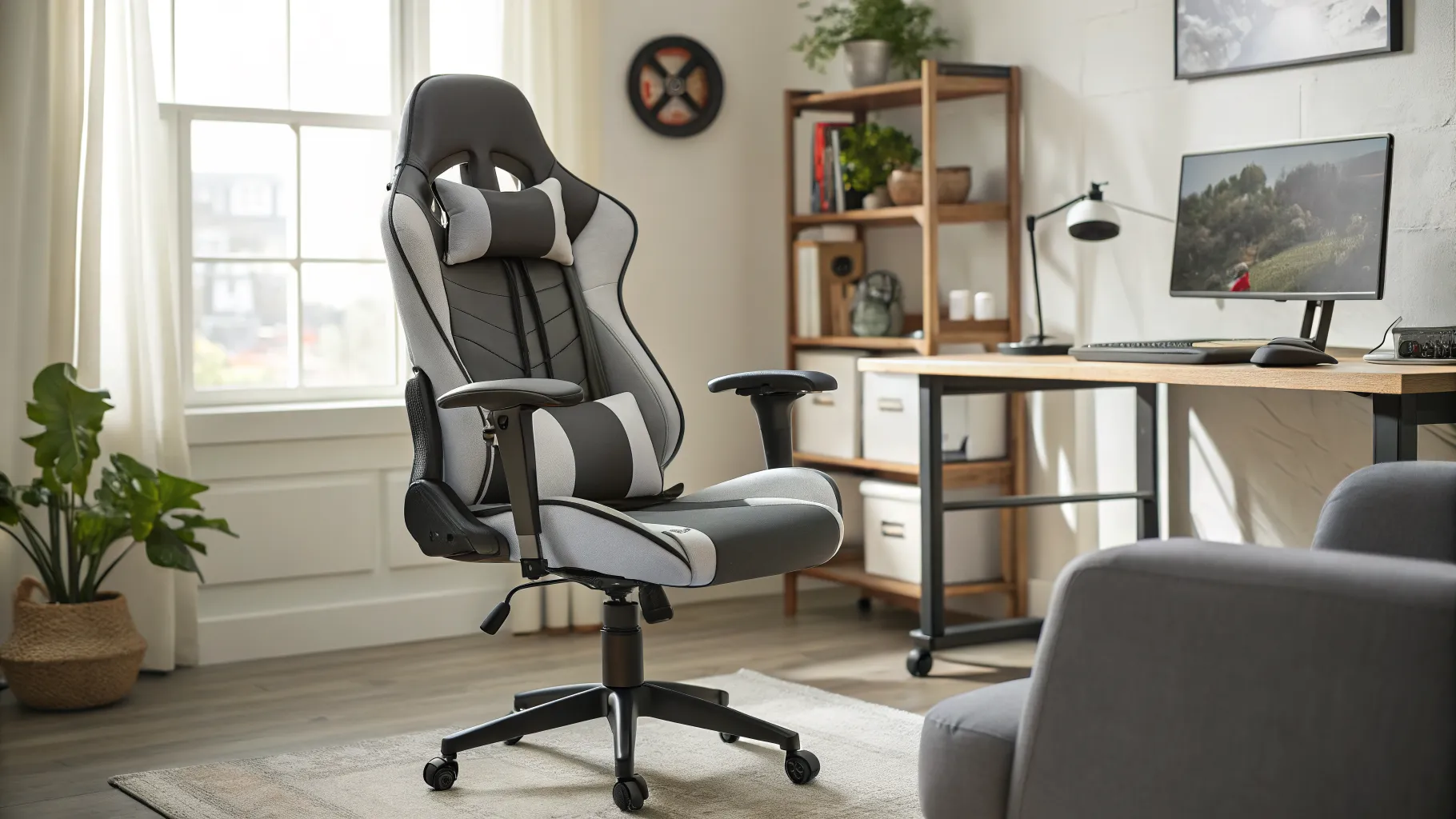
The Science Behind Ergonomics and Workspace Comfort
Ergonomics is the science of designing and arranging workplaces so that people and things interact most efficiently and safely. When applied to office chairs, this means creating a design that supports the natural curvature of the spine, encourages good posture, and allows for adjustability to fit various body types. A truly ergonomic chair aims to minimize physical stress and strain, promoting better circulation and reducing pressure points. For a home office setup, this translates into fewer aches, increased concentration, and a greater capacity to sustain productivity throughout the workday. The meticulous engineering of an adjustable chair, from its lumbar support to its seat depth, plays a critical role in providing optimal back support and facilitating a healthy posture, which is fundamental for long-term physical health in a sedentary work environment.
Key Features to Look for in an Ergonomic Office Chair
When searching for the best ergonomic office chair for home, understanding the critical features that contribute to superior comfort and support is essential. Each component is designed to cater to different aspects of your posture and body mechanics, ensuring a personalized fit that promotes health and reduces strain in your home office setup.
Adjustable Lumbar Support
Lumbar support is arguably one of the most critical features in an ergonomic office chair. It's designed to support the inward curve of your lower back, preventing slouching and maintaining the natural 'S' shape of your spine. Proper back support helps to evenly distribute pressure across your spinal discs, reducing strain and discomfort, especially during prolonged sitting. Many high-quality chairs offer dynamic lumbar support that can be adjusted vertically and horizontally to perfectly cradle your unique spinal curvature, providing a custom fit that generic chairs simply cannot offer.
Seat Depth and Height Adjustment
The ability to adjust seat height ensures that your feet can rest flat on the floor or on a footrest, with your knees forming a 90-degree angle, promoting healthy circulation and reducing pressure on your thighs. Seat depth adjustment is equally important, allowing you to position the seat so that there is a gap of about two to four fingers between the edge of the seat and the back of your knees. This prevents pressure on the back of your legs and ensures adequate support for your thighs, which is vital for maintaining proper posture and overall workspace comfort.
Armrest Customization
Adjustable armrests are crucial for relieving pressure from your neck and shoulders. Ideally, your armrests should allow your arms to rest gently, with your elbows forming an angle of 90 degrees, keeping your shoulders relaxed and not hunched. Chairs with 3D or 4D armrests offer movements in height, depth, pivot, and width, providing comprehensive support that can be tailored to various tasks and individual preferences, thereby enhancing workspace comfort and preventing repetitive strain injuries.
Recline and Tilt Mechanisms
A good ergonomic office chair will offer various recline and tilt functions. Synchronized tilt allows the backrest and seat to recline in a coordinated motion, promoting continuous contact with the chair's backrest. A tension control knob lets you adjust the resistance of the recline, catering to your body weight. Lockable tilt positions allow you to secure the chair at a preferred angle, offering dynamic seating options that encourage movement and reduce static loading on your spine. This flexibility is vital for maintaining comfort during different activities and allowing for micro-breaks throughout your workday, which significantly boosts overall workspace comfort.
Material and Breathability
The material of your chair affects both comfort and durability. Mesh chairs offer excellent breathability, which is ideal for warmer climates or individuals who tend to get hot, preventing sweat buildup and maintaining a cool seating experience. Fabric upholstery provides a softer feel and is often more affordable, while leather offers a premium look and feel but can be less breathable. Considering the duration of use in your home office setup, selecting a material that ensures long-term comfort and easy maintenance is crucial for a pleasant working environment.
Top Contenders for the Best Ergonomic Office Chair for Home
Navigating the vast market of ergonomic office chairs can be daunting, but understanding the general categories and their strengths can help you choose the ideal match for your home office setup. High-end ergonomic chairs often feature advanced adjustability, premium materials, and innovative designs that cater to precise bodily support. These chairs typically offer superior lumbar support mechanisms, more extensive seat and armrest adjustments, and sophisticated tilt systems, making them an excellent investment for those seeking unparalleled back support and long-term durability. On the other hand, mid-range ergonomic chairs strike a balance between features and cost, providing significant ergonomic benefits without the premium price tag. They often include core adjustability like height and basic lumbar support, making them suitable for many users looking to upgrade their workspace comfort without breaking the bank. Task chairs are typically lighter and designed for specific desk work, focusing on mobility and basic adjustments, while executive chairs prioritize aesthetics and generous padding, sometimes at the expense of precise ergonomic adjustability. The selection should always align with your specific ergonomic needs, budget, and the duration of daily use.
Investing in Your Well-being: Why a Quality Ergonomic Office Chair Pays Off
An investment in the best ergonomic office chair for home is an investment in your health, productivity, and overall quality of life. The initial cost of a high-quality ergonomic chair might seem significant, but the long-term benefits far outweigh the expense. By providing optimal back support and encouraging proper posture, these chairs significantly reduce the risk of developing chronic conditions such as back pain, neck stiffness, and carpal tunnel syndrome, which can lead to expensive medical treatments and lost workdays. Furthermore, enhanced workspace comfort directly correlates with increased focus and productivity. When you're not constantly shifting to alleviate discomfort, you can concentrate better on your tasks, leading to higher efficiency and better work output. An adjustable chair adapts to your body, promoting dynamic sitting and maintaining proper blood flow, which is crucial for sustained energy and alertness throughout extended work sessions. This foresight in choosing the right equipment for your home office setup is a proactive step towards a healthier and more productive professional life.
Setting Up Your Ergonomic Home Office for Maximum Comfort
- Adjust Monitor Height and Distance: Position your monitor so the top of the screen is at eye level, approximately an arm's length away. This prevents neck strain and ensures optimal viewing without excessive head tilting.
- Optimize Keyboard and Mouse Placement: Your keyboard should be directly in front of you, close enough that your elbows remain at a 90-degree angle and wrists are straight. The mouse should be easily accessible, minimizing reaching, to reduce strain on your wrist and shoulder.
- Take Regular Breaks: Even with the best ergonomic office chair for home, prolonged sitting is detrimental. Incorporate short breaks every 30-60 minutes to stand, stretch, and move around, promoting circulation and relieving static pressure on your body.
- Ensure Adequate Lighting: Good lighting reduces eye strain and fatigue. Position your desk to maximize natural light and use task lighting to illuminate your workspace without creating glare on your screen, which contributes significantly to overall workspace comfort.
- Consider Foot Support: If your feet don't comfortably rest flat on the floor even after adjusting your chair, use a footrest. This helps maintain proper leg and back alignment, supporting your posture and enhancing the benefits of your adjustable chair.
Frequently Asked Questions
Why is an ergonomic office chair crucial for a home office setup?
An ergonomic office chair is crucial because it provides tailored support for your body, especially your spine, reducing the risk of musculoskeletal pain, improving posture, and enhancing overall comfort and productivity during long working hours in a home environment.
How does proper back support benefit my health?
Proper back support maintains the natural curvature of your spine, preventing slouching and evenly distributing pressure across your spinal discs. This significantly reduces strain, prevents chronic back pain, and promotes better circulation, leading to improved long-term spinal health.
What specific adjustments should I look for in an adjustable chair?
Key adjustments to look for include seat height and depth, lumbar support (height and depth), armrest height and pivot, and recline/tilt mechanisms with tension control. These features allow you to customize the chair to fit your unique body shape and working preferences, maximizing workspace comfort.
Can an ergonomic office chair really improve my productivity?
Yes, by significantly reducing discomfort and fatigue, an ergonomic office chair allows you to maintain focus for longer periods. When you're not distracted by aches or poor posture, your concentration and efficiency naturally increase, directly impacting your overall productivity in your home office setup.
Are expensive ergonomic office chairs always better?
While often offering more advanced features and premium materials, an expensive chair isn't automatically better for everyone. The 'best' chair is one that fits your body type, provides adequate adjustability for your specific needs, and aligns with your budget. Focus on features and fit rather than just price for optimal workspace comfort.
References
- The impact of ergonomic interventions on work-related musculoskeletal disorders.
- Guidelines for setting up an ergonomic workstation.
- Studies on the relationship between office chair design and spinal health.
- Research on posture, productivity, and comfort in remote work environments.
- Review of material science in office furniture for durability and breathability.
Authored by MyTrendSpot team