Discovering America's Best Osteoporosis Treatment Centers for Optimal Bone Health
Facts:
- Osteoporosis affects millions, increasing fracture risk significantly.
- Early diagnosis and treatment for bone health are crucial for preventing severe complications.
Navigating America's Top Osteoporosis Treatment Centers
For individuals living with or at risk of osteoporosis, finding the best osteoporosis treatment centers in America is paramount to managing the condition and preventing debilitating fractures. These specialized centers offer comprehensive care, integrating advanced diagnostics, innovative treatments, and multidisciplinary expertise to address the complex nature of bone loss. A focus on personalized patient plans ensures that each individual receives care tailored to their unique needs, emphasizing long-term bone health and improved quality of life. The landscape of osteoporosis treatment centers is evolving, with many facilities now leveraging cutting-edge research to provide the most effective interventions available today.
What Defines a Leading Osteoporosis Treatment Center?
A truly leading osteoporosis treatment center distinguishes itself through a commitment to excellence across several key areas. These centers typically offer a holistic approach that extends beyond simple medication prescriptions, delving into patient education, lifestyle modifications, and ongoing support. They are often pioneers in adopting new therapeutic strategies and diagnostic tools, ensuring patients have access to the most effective and safe options. The integration of various medical disciplines under one roof allows for a seamless patient experience, where experts collaborate to optimize outcomes. Furthermore, bone health clinics that are at the forefront often participate in clinical trials, contributing to the advancement of osteoporosis research and offering patients access to experimental treatments that may not be widely available elsewhere.
Comprehensive Diagnostic Capabilities
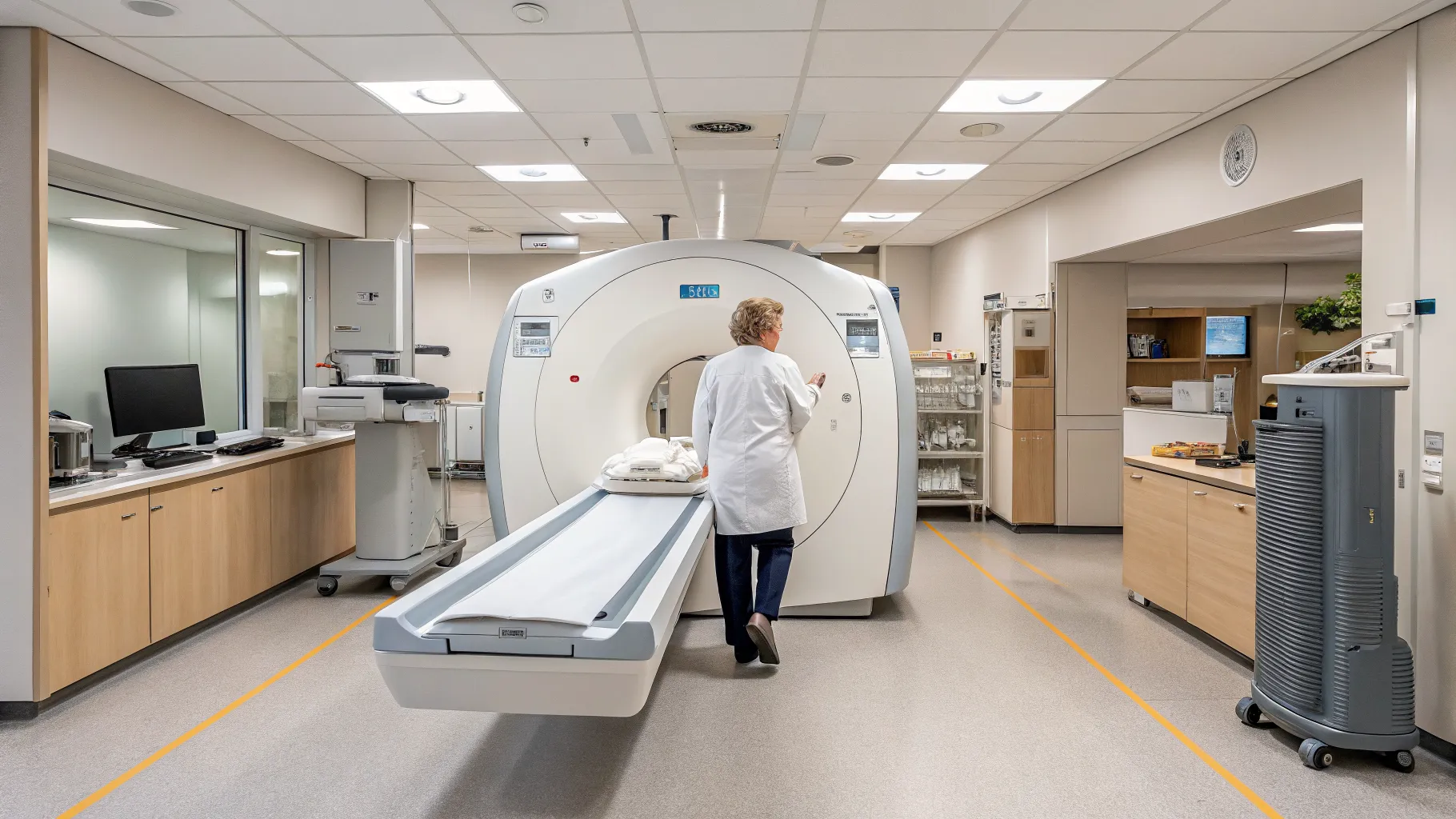
Exceptional osteoporosis treatment centers boast state-of-the-art diagnostic imaging, including dual-energy X-ray absorptiometry (DEXA) scans, which are the gold standard for measuring bone mineral density. Beyond DEXA, these centers utilize advanced tools like vertebral fracture assessments (VFA) and high-resolution peripheral quantitative computed tomography (HR-pQCT) to provide a more detailed picture of bone microstructure and fracture risk. Blood and urine tests for bone turnover markers and secondary causes of osteoporosis are also routinely employed to ensure an accurate diagnosis and to guide treatment decisions. These comprehensive diagnostic approaches are crucial for identifying the underlying causes of bone loss and tailoring effective advanced osteoporosis therapy.
Multidisciplinary Care Teams
The best osteoporosis treatment centers employ a multidisciplinary team of highly specialized professionals. This typically includes endocrinologists, rheumatologists, geriatricians, physical therapists, registered dietitians, and pain management specialists. Each member contributes their unique expertise to develop a comprehensive and individualized care plan. For instance, osteoporosis specialists, like endocrinologists, manage medication, while physical therapists focus on strengthening exercises and fall prevention. Dietitians provide nutritional guidance essential for bone health, making the team approach fundamental to successful long-term management.
Advanced Treatment Modalities
The range of treatments offered by leading bone density clinics is extensive and continually evolving. This includes traditional pharmacotherapies such as bisphosphonates, denosumab, and parathyroid hormone analogs, as well as newer anabolic agents that stimulate bone formation. Beyond medications, these centers place significant emphasis on non-pharmacological interventions like personalized exercise programs designed to improve balance, strength, and posture, thereby reducing fall risk. Nutritional counseling focuses on adequate calcium and vitamin D intake, alongside other bone-supporting nutrients. The goal is always to create a personalized regimen that addresses the patient's specific needs and optimizes their response to advanced osteoporosis therapy.
Key Factors in Choosing Your Osteoporosis Treatment Center
When selecting among the multitude of osteoporosis treatment centers, several critical factors should guide your decision. These include the center's reputation, the expertise of its medical staff, its technological capabilities, and its approach to patient-centered care. Proximity and insurance coverage are also practical considerations, but should ideally not overshadow the quality of care provided. Seeking recommendations from your primary care physician or other specialists can be a valuable first step in identifying highly reputable bone health clinics. Understanding the center's philosophy towards long-term management and patient education will ensure a partnership that supports sustained bone health.
Expertise and Experience of Specialists
The caliber of the medical professionals is perhaps the most important factor. Look for centers where osteoporosis specialists are board-certified in endocrinology, rheumatology, or geriatrics, with extensive experience in bone metabolism and osteoporosis management. Their involvement in research or professional organizations can also indicate a high level of expertise and commitment to staying abreast of the latest advancements in advanced osteoporosis therapy. A specialist's ability to communicate complex medical information clearly and empathetically is also vital for patient understanding and adherence to treatment.
Patient-Centered Approach and Support Programs
A leading osteoporosis treatment center prioritizes a patient-centered approach, ensuring that individuals feel heard, respected, and actively involved in their care decisions. This includes offering robust educational programs, support groups, and access to resources that empower patients to take an active role in managing their condition. Services like bone health educators, dedicated nurse navigators, and wellness coaches can significantly enhance the patient experience and improve treatment adherence. These support systems are crucial for helping patients navigate the challenges of living with osteoporosis and maintaining a proactive stance on their bone health.
Actionable Advice: Steps to Finding the Right Center
- Research accreditations and certifications for various osteoporosis treatment centers to ensure they meet high standards of care.
- Consult with your primary care physician or current specialists for personalized referrals to reputable bone health clinics in your area.
- Evaluate your insurance coverage and financial considerations carefully to understand what services and treatments for advanced osteoporosis therapy are covered.
- Read patient reviews and testimonials from multiple sources to gain insight into the patient experience and overall satisfaction with different centers and their osteoporosis specialists.
- Prepare a comprehensive list of questions for initial consultations, focusing on treatment philosophies, available therapies, and the multidisciplinary team approach at leading bone density clinics.
Frequently Asked Questions
What is the primary goal of osteoporosis treatment centers?
The primary goal of osteoporosis treatment centers is to prevent fractures by slowing bone loss, improving bone density, and reducing the risk of falls through comprehensive medical management, lifestyle modifications, and patient education.
How do bone health clinics diagnose osteoporosis?
Bone health clinics typically diagnose osteoporosis using a DEXA (dual-energy X-ray absorptiometry) scan to measure bone mineral density. They also consider a patient's medical history, risk factors, and may use blood tests to rule out secondary causes of bone loss.
Can lifestyle changes support advanced osteoporosis therapy?
Absolutely. Lifestyle changes, including a balanced diet rich in calcium and vitamin D, regular weight-bearing and muscle-strengthening exercises, and avoidance of smoking and excessive alcohol, are crucial supportive measures for advanced osteoporosis therapy and overall bone health.
References
- National Osteoporosis Foundation
- American Academy of Orthopaedic Surgeons
- Endocrine Society Clinical Practice Guidelines
- International Osteoporosis Foundation
- National Institutes of Health Osteoporosis and Related Bone Diseases~National Resource Center
Authored by MyTrendSpot team