Navigating Parkinson's Disease Care: Finding the Best Facilities in the United States
Facts:
- Early diagnosis significantly improves Parkinson's disease care outcomes.
- Demand for specialized Parkinson's facilities is increasing for elderly care for Parkinson's.
Understanding the Landscape of Specialized Parkinson's Facilities
For individuals and families navigating the complexities of Parkinson's disease, finding the right Parkinson's disease care facility is paramount. The United States offers a range of options, from general assisted living to highly specialized Parkinson's facilities designed to meet the unique needs of patients. This guide will help you understand what to look for, ensuring comprehensive and compassionate support for your loved ones.
Key Components of Exceptional Parkinson's Disease Care
Identifying the best Parkinson's disease care facilities involves evaluating several critical components that go beyond basic elder care. True specialized Parkinson's facilities offer an integrated approach, addressing both motor and non-motor symptoms with a deep understanding of the disease's progression. This includes access to specialized medical professionals, tailored therapies, and an environment designed for safety and stimulation. Families often seek facilities that can adapt to changing needs, providing a continuum of care as the disease evolves, from early-stage management to advanced elderly care for Parkinson's.
Medical Expertise and Staff Training
A leading neurological care center will feature a team trained specifically in movement disorders. This often includes neurologists specializing in Parkinson's, geriatricians, physical therapists, occupational therapists, speech-language pathologists, and psychiatric professionals. The staff's continuous education in the latest Parkinson's research and treatment protocols is crucial. Regular assessments and personalized care plans ensure that residents receive targeted interventions for symptoms such as tremors, rigidity, bradykinesia, and gait instability, as well as managing cognitive and mood disturbances that frequently accompany Parkinson's. A strong staff-to-resident ratio also indicates a facility’s commitment to high-quality, individualized comprehensive Parkinson's support.
Comprehensive Therapeutic Programs
Effective Parkinson's disease care is heavily reliant on robust therapeutic programs. These facilities should offer a wide array of therapies, including LSVT LOUD for speech and voice, LSVT BIG for movement, and various forms of exercise crucial for maintaining mobility and balance. Beyond traditional therapies, look for programs like dance therapy, music therapy, art therapy, and mindfulness practices that can significantly improve quality of life and address non-motor symptoms like depression and anxiety. These programs are often integrated into a daily schedule, promoting engagement and social interaction, which are vital for mental well-being in elderly care for Parkinson's environments.
Evaluating the Environment and Amenities in Neurological Care Centers
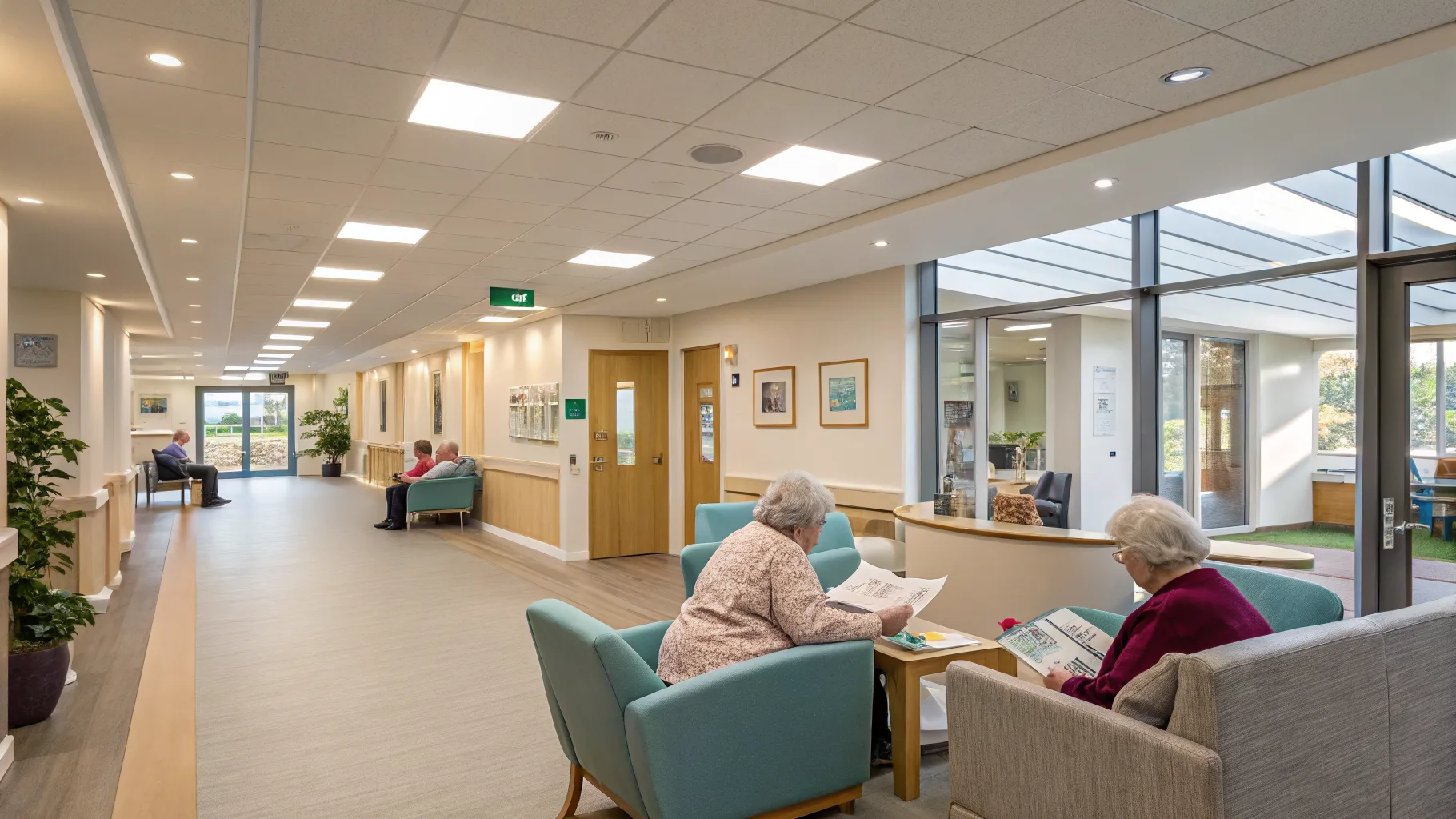
The physical environment plays a significant role in the quality of life for individuals with Parkinson's. The best neurological care centers are designed with accessibility and safety as top priorities. This means wider doorways, grab bars in bathrooms, non-slip flooring, and ample lighting to prevent falls. Specialized dining programs cater to swallowing difficulties and nutritional needs, ensuring residents maintain strength and health. Beyond basic safety, the atmosphere should be welcoming and stimulating, offering opportunities for social engagement, access to outdoor spaces, and privacy. A facility that feels like a community, rather than just a medical institution, fosters a sense of belonging and contributes positively to comprehensive Parkinson's support.
Technology and Innovation in Parkinson's Disease Care
Modern specialized Parkinson's facilities leverage technology to enhance care and monitoring. This can include remote monitoring systems, smart home features for greater independence, and innovative therapeutic devices. Telehealth options for specialist consultations can also be a significant advantage, especially for facilities in less urban areas. Furthermore, involvement in clinical trials or access to cutting-edge research programs can provide residents with opportunities to benefit from new treatments and contribute to the broader understanding of Parkinson's. This forward-thinking approach is a hallmark of truly exceptional Parkinson's disease care.
Comparing Top Elderly Care for Parkinson's Options
When comparing elderly care for Parkinson's facilities, it's essential to conduct thorough research and on-site visits. Consider the location, cost, and insurance coverage, but prioritize the quality of care and the specific programs offered. Look for transparent communication from staff and administration, and inquire about their emergency protocols and visitor policies. Speaking with current residents and their families can provide invaluable insights into the daily life and overall satisfaction with the Parkinson's disease care provided. Some facilities may excel in certain aspects, such as memory care for those with cognitive decline alongside Parkinson's, while others might focus more on advanced physical rehabilitation, so aligning the facility's strengths with the individual's needs is crucial for finding the optimal comprehensive Parkinson's support.
Actionable Advice for Choosing the Right Parkinson's Disease Care Facility
- Assess Individual Needs: Clearly define the specific medical, therapeutic, and social needs of the individual with Parkinson's. This will help narrow down the search for specialized Parkinson's facilities.
- Verify Credentials and Staff Expertise: Ensure the facility has board-certified neurologists specializing in movement disorders and that staff are continuously trained in Parkinson's disease care.
- Evaluate Therapeutic Programs: Look for a diverse range of evidence-based therapies, including physical, occupational, and speech therapy tailored for Parkinson's patients, indicative of a strong neurological care center.
- Visit Multiple Facilities: Conduct in-person tours, observe interactions between staff and residents, and ask detailed questions about daily routines and activities. Pay close attention to the environment and safety features crucial for elderly care for Parkinson's.
- Review Financial Considerations: Understand the costs, what is included, and inquire about insurance acceptance and payment plans to ensure long-term feasibility of the chosen comprehensive Parkinson's support.
- Seek References and Testimonials: Talk to other families who have utilized the facility's services to get honest feedback on the quality of Parkinson's disease care and resident satisfaction.
Frequently Asked Questions
What is the typical cost of Parkinson's disease care in the US?
The cost for Parkinson's disease care can vary significantly based on the level of care required, geographic location, and the specific services offered by specialized Parkinson's facilities. It can range from $4,000 to over $10,000 per month for residential care, with additional costs for specialized therapies and medications. It's crucial to consult with each facility directly for precise pricing and discuss insurance coverage options.
Are all neurological care centers suitable for Parkinson's patients?
While all neurological care centers handle brain and nervous system disorders, not all are specifically equipped or staffed to provide the highly specialized Parkinson's facilities care needed for Parkinson's disease. It's essential to choose a facility with a dedicated movement disorder program, staff trained in Parkinson's, and therapies tailored to the disease's unique challenges, particularly for elderly care for Parkinson's.
How important is nutrition in comprehensive Parkinson's support?
Nutrition plays a vital role in comprehensive Parkinson's support. A balanced diet can help manage symptoms like constipation, maintain energy levels, and support overall well-being. Many specialized Parkinson's facilities offer nutritional counseling and modified meal plans to address swallowing difficulties or medication interactions, ensuring residents receive adequate nourishment and hydration for optimal Parkinson's disease care.
References
- Parkinson's Foundation
- National Institute of Neurological Disorders and Stroke
- Movement Disorder Society
Authored by MyTrendSpot team