Best Recovery Protocols for Sports Injuries: Optimizing Athlete Rehabilitation
Fast Facts:
- Early intervention is crucial for effective sports injury recovery.
- Structured rehabilitation protocols significantly enhance athlete recovery outcomes.
Understanding the Core Principles of Sports Injury Recovery
Effective sports injury recovery hinges on a comprehensive understanding of biological healing processes and individualized care. Athletes often face unique challenges, demanding tailored rehabilitation protocols that address both the physical damage and the psychological impact of an injury. A successful recovery strategy prioritizes not only the repair of damaged tissues but also the restoration of full function, strength, and proprioception to prevent re-injury. The journey from injury to full athletic participation is complex, requiring a multidisciplinary approach involving medical professionals, physical therapists, and strength and conditioning specialists. Adherence to these protocols is paramount for achieving optimal athlete recovery and minimizing time away from sport.
Initial Stages: Acute Injury Management and Protection
The immediate aftermath of a sports injury is critical for setting the stage for effective recovery. The initial focus is on managing pain and inflammation while protecting the injured area from further damage. The R.I.C.E. (Rest, Ice, Compression, Elevation) principle, while a foundational approach, has evolved into more nuanced strategies like P.O.L.I.C.E. (Protection, Optimal Loading, Ice, Compression, Elevation), emphasizing the importance of optimal loading rather than complete rest for certain injuries. Protection may involve bracing or taping, restricting movements that exacerbate pain or stress the healing tissues. Ice application helps reduce swelling and pain, while compression garments or bandages mitigate edema. Elevation promotes venous return, further reducing swelling. Understanding the specific injury type and severity is crucial for determining the appropriate level of protection and the initiation of optimal loading, which can prevent tissue deconditioning and promote healing. These initial rehabilitation protocols are fundamental to beginning a successful sports injury recovery.
Progressive Rehabilitation: Restoring Function and Strength
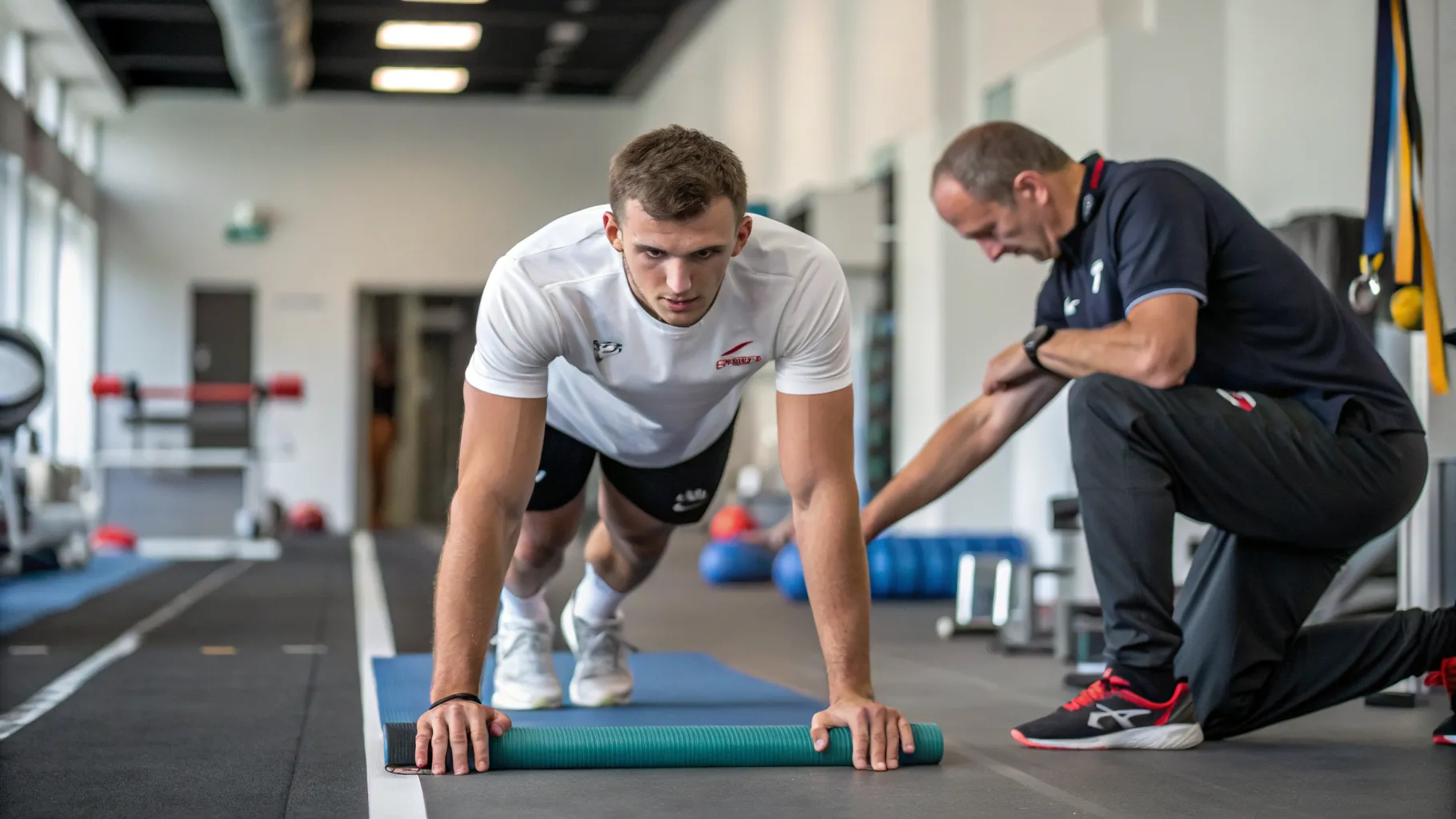
Once the acute phase subsides, the focus shifts to progressive rehabilitation, which aims to restore range of motion, strength, and endurance. This phase is characterized by a carefully structured program of exercises designed to gradually challenge the healing tissues. Early mobilization, under the guidance of a physical therapist, is often introduced to prevent stiffness and promote healthy tissue remodeling. Exercises progress from gentle, passive movements to active, assisted movements, and eventually to full active range of motion. Strength training begins with isometric contractions, advancing to isotonic and then isokinetic exercises, targeting the injured muscles and surrounding support structures. The goal is not just to regain pre-injury strength but to build resilience and address any underlying muscular imbalances that may have contributed to the initial injury. This methodical progression is a cornerstone of effective athlete recovery and a key component of comprehensive physical therapy techniques.
Neuromuscular Control and Proprioception Training
Beyond strength and flexibility, restoring neuromuscular control and proprioception is vital for preventing re-injury and ensuring safe return to sport. Neuromuscular control refers to the unconscious motor responses that maintain joint stability and posture, while proprioception is the body's ability to sense its position and movement in space. Injuries often impair these crucial senses, making an athlete more susceptible to subsequent injuries. Training in this phase includes balance exercises (e.g., single-leg stands, wobble boards), agility drills, and sport-specific movements performed with increasing complexity and speed. These exercises retrain the nervous system to coordinate muscle activity effectively, improving reaction time and stability. Integrating these advanced physical therapy techniques into rehabilitation protocols is essential for a complete sports injury recovery, bridging the gap between basic function and high-level athletic performance.
Integrating Injury Prevention Strategies for Long-Term Health
A truly comprehensive recovery protocol extends beyond healing the current injury to actively incorporating injury prevention strategies. This involves identifying and addressing risk factors such as muscle imbalances, poor biomechanics, inadequate warm-up routines, and overtraining. Strength and conditioning programs should be designed to support the demands of the athlete's specific sport, focusing on core stability, flexibility, and overall athletic preparedness. Regular pre-habilitation exercises, which target common weaknesses or areas prone to injury, can significantly reduce future risk. Education on proper nutrition, hydration, and sleep hygiene also plays a crucial role in maintaining tissue health and optimizing overall athlete recovery. By adopting a proactive mindset, athletes can transform their recovery journey into an opportunity for long-term health and enhanced performance, making these injury prevention strategies an integral part of their ongoing training regimen.
Advanced Modalities and Recovery Techniques
Modern sports injury recovery protocols often incorporate a range of advanced modalities to accelerate healing and enhance athlete well-being. These can include various forms of massage therapy, such as deep tissue massage or myofascial release, to improve circulation, reduce muscle soreness, and break down scar tissue. Hydrotherapy, utilizing the buoyancy and resistance of water, allows for early, low-impact exercise and movement, which is particularly beneficial for weight-bearing injuries. Electrotherapy, including TENS (Transcutaneous Electrical Nerve Stimulation) for pain management and EMS (Electrical Muscle Stimulation) for muscle re-education, can support tissue healing and strengthen weakened muscles. Furthermore, cryotherapy and thermotherapy are used strategically to manage inflammation and promote blood flow. These specialized physical therapy techniques, when integrated thoughtfully into rehabilitation protocols, provide valuable adjuncts to traditional exercise-based recovery, helping to optimize the entire process of athlete recovery.
Frequently Asked Questions
How long does typical sports injury recovery take?
The duration of sports injury recovery varies significantly based on the type and severity of the injury, the individual's overall health, and adherence to rehabilitation protocols. Minor sprains might heal in a few weeks, while more severe injuries like ACL tears or fractures can require 6-12 months or even longer for full recovery and return to sport.
What is the role of nutrition in athlete recovery?
Nutrition plays a critical role in athlete recovery by providing the necessary building blocks for tissue repair and reducing inflammation. Adequate protein intake is essential for muscle repair, while carbohydrates replenish glycogen stores. Vitamins and minerals, particularly Vitamin C, Zinc, and Calcium, support immune function and bone health. Proper hydration is also paramount for all bodily functions and nutrient transport.
Can I prevent future sports injuries after recovery?
Yes, actively implementing injury prevention strategies is crucial. This includes maintaining balanced strength and flexibility, addressing biomechanical inefficiencies, utilizing proper training techniques, and gradually increasing training load. Regular warm-ups, cool-downs, and adequate rest are also vital to minimize the risk of re-injury.
When should I return to my sport after an injury?
Returning to sport should be a gradual, guided process determined by a healthcare professional, typically a physical therapist or sports doctor. It involves meeting specific functional criteria, demonstrating restored strength, range of motion, and neuromuscular control, and undergoing sport-specific drills without pain. Premature return significantly increases the risk of re-injury.
Are there mental aspects to sports injury recovery?
Absolutely. The psychological impact of a sports injury can be substantial. Athletes may experience frustration, anxiety, fear of re-injury, or depression. Mental resilience, positive outlook, goal setting, and sometimes psychological counseling are important components of holistic sports injury recovery to ensure both physical and mental readiness for return to play.
References
- Meeuwisse, W. H. (1994). Predictability of sports injuries: a review of the literature.
- Bleakley, C. M., Glasgow, P., & MacAuley, V. (2012). PRICE versus POLICE: What is the current evidence?
- Peterson, L., & Renström, P. (2001). Sports Injuries: Their Prevention and Treatment.
- Kibler, W. B., Uhl, T. L., & Safran, M. R. (2007). Comparison of different rehabilitation techniques.
- Faigenbaum, A. D., & Myer, G. D. (2010). Resistance training among young athletes: safety, efficacy and injury prevention.
Authored by MyTrendSpot team