Unlock Radiant Skin: The Power of Chemical Peels for Facial Rejuvenation
Fast Facts:
- Chemical peels are proven for skin resurfacing.
- Demand for facial rejuvenation treatments continues to rise for beauty-conscious individuals.
Understanding the Science Behind Chemical Peels for Enhanced Skin Texture
Chemical peels represent a highly effective dermatological procedure aimed at improving skin texture and appearance by inducing controlled injury to the skin, leading to its exfoliation and subsequent regeneration. This process is pivotal for achieving comprehensive facial rejuvenation, addressing various skin concerns from superficial imperfections to deeper structural issues. By carefully applying a chemical solution to the skin, old, damaged skin cells are sloughed off, paving the way for new, healthier skin cells to emerge. This not only reveals a smoother, more radiant complexion but also stimulates collagen production, crucial for maintaining skin elasticity and firmness. The depth and intensity of the peel are tailored to individual needs, making it a versatile option for diverse aesthetic goals.
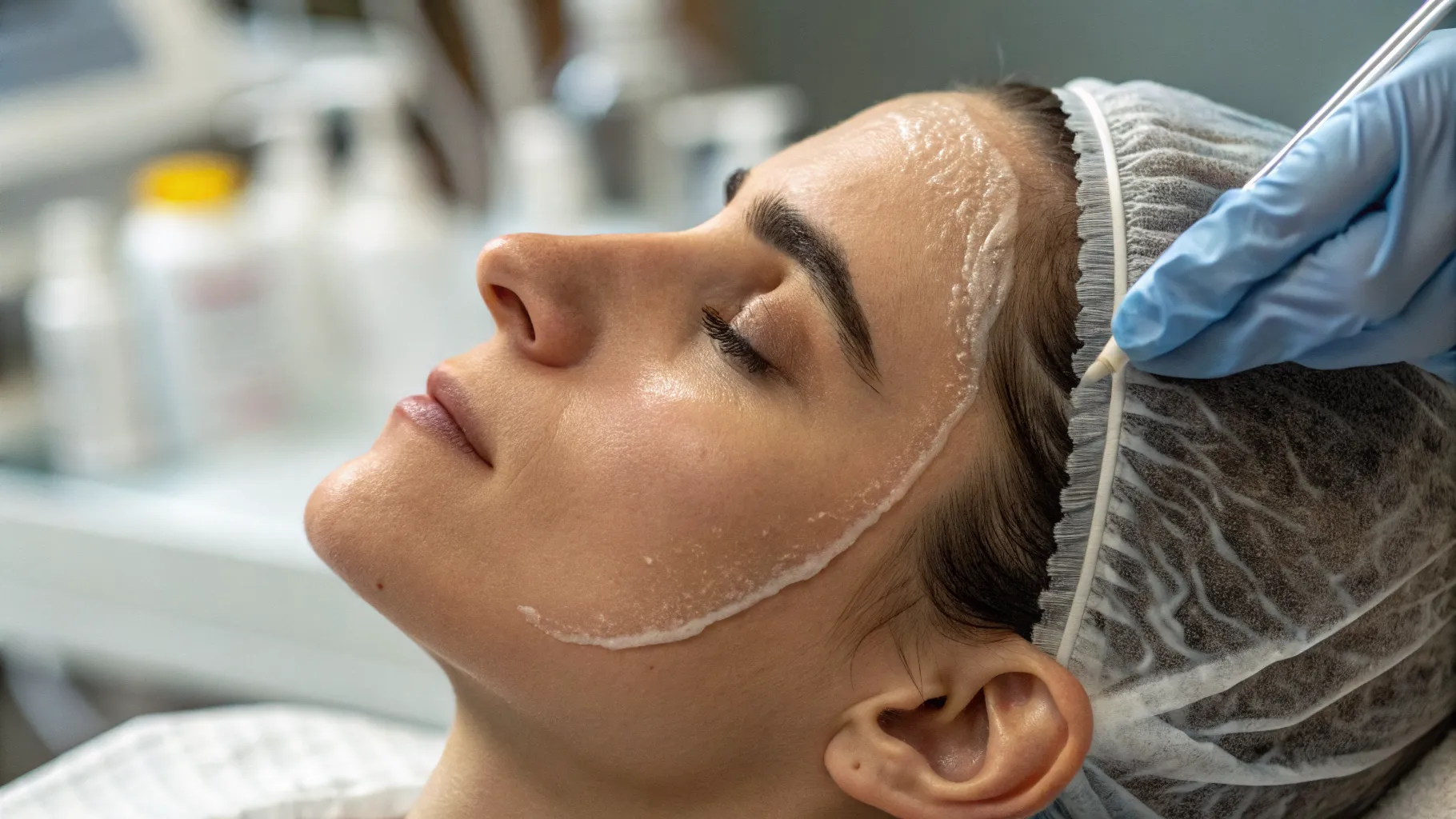
Types of Chemical Peels and Their Benefits for Facial Rejuvenation
The world of chemical peels offers a spectrum of options, each designed to address specific skin concerns and deliver varying degrees of facial rejuvenation. Understanding these differences is key to selecting the most appropriate peel treatment for your skin type and desired outcomes.
Superficial Peels for Mild Skin Concerns
Superficial chemical peels, often utilizing alpha-hydroxy acids (AHAs) like glycolic or lactic acid, or beta-hydroxy acids (BHAs) such as salicylic acid, are the gentlest form of chemical exfoliation. These peels work on the outermost layer of the epidermis, making them ideal for individuals looking to refresh their complexion, reduce the appearance of fine lines and wrinkles, minimize pore size, and improve mild cases of hyperpigmentation. Recovery time is typically minimal, often involving light flaking, allowing patients to quickly resume their daily activities. Regular superficial peel treatments can significantly enhance skin brightness and smoothness over time.
Medium-Depth Peels for Significant Skin Resurfacing
Medium-depth chemical peels, commonly involving trichloroacetic acid (TCA) in varying concentrations, penetrate deeper into the skin compared to superficial peels. These peels are particularly effective for more pronounced skin concerns, offering more significant skin resurfacing benefits. They are highly sought after for treating moderate acne scars, addressing deeper hyperpigmentation issues like sun spots and melasma, and substantially improving the appearance of moderate fine lines and wrinkles. While recovery involves more noticeable redness and peeling for several days to a week, the results in terms of improved skin texture and tone can be dramatic and long-lasting.
Deep Peels for Comprehensive Facial Rejuvenation
Deep chemical peels, typically using phenol, are the most aggressive type of peel treatment and are reserved for severe skin damage. These peels penetrate the deepest layers of the skin, offering the most comprehensive facial rejuvenation by effectively treating deep wrinkles, significant sun damage, and more severe scarring. Due to their intensity, deep peels require a longer recovery period, which can span several weeks, and are often performed under sedation. The results are profound and can dramatically transform the skin, providing long-term benefits for those with extensive skin concerns seeking truly transformative skin resurfacing.
The Transformative Process of Skin Resurfacing with Chemical Peels
The magic of chemical peels lies in their ability to initiate a controlled regenerative process within the skin. When the chemical solution is applied, it carefully removes damaged outer layers, prompting the skin to repair itself by generating new, healthy cells. This controlled damage not only exfoliates but also stimulates the production of collagen and elastin, two vital proteins responsible for skin's strength and elasticity. The increased collagen synthesis leads to a plumper, firmer appearance, reducing the visibility of fine lines and wrinkles. Furthermore, the accelerated cell turnover helps to diminish hyperpigmentation, improve the texture of acne scars, and even out skin tone, culminating in a refreshed and significantly improved complexion that embodies true facial rejuvenation.
Addressing Common Skin Concerns: Hyperpigmentation, Acne Scars, and Fine Lines
One of the primary advantages of chemical peels is their versatility in targeting a multitude of skin concerns effectively. For individuals struggling with hyperpigmentation, such as sun spots, age spots, or melasma, superficial and medium-depth peel treatments containing ingredients like glycolic acid, salicylic acid, or TCA work by breaking down and shedding the pigmented cells, revealing brighter, more evenly toned skin underneath. When it comes to acne scars, particularly atrophic or depressed scars, medium-depth chemical peels can be highly beneficial. They promote significant skin resurfacing and collagen remodeling, which helps to smooth out the skin's surface and minimize the depth of the scars. Similarly, for reducing the appearance of fine lines and wrinkles, regular chemical exfoliation through peels encourages new cell growth and collagen production, leading to a softer, more youthful texture. The choice of peel type and chemical agent is carefully matched to the specific concern and severity, ensuring optimized outcomes for comprehensive facial rejuvenation.
Preparing for Your Chemical Peel Treatment: Essential Steps for Optimal Results
Proper preparation is crucial for maximizing the benefits and minimizing risks associated with chemical peels. A well-prepared skin offers a better canvas for the peel treatment, ensuring a safer procedure and superior results in your journey towards facial rejuvenation.
- Consultation with a Dermatologist: Before undergoing any chemical peel, schedule a thorough consultation with a qualified dermatologist. They will assess your skin type, identify your specific concerns (e.g., hyperpigmentation, acne scars, fine lines and wrinkles), discuss your medical history, and determine the most appropriate peel treatment for you.
- Pre-treatment Skincare Regimen: Your dermatologist may prescribe a pre-treatment skincare regimen to prepare your skin for the peel. This often involves using products containing retinoids, AHAs, or hydroquinone for several weeks prior to the procedure. These products help to thin the outermost skin layer, allowing for deeper and more even penetration of the peel solution, thus enhancing the overall skin resurfacing effects.
- Avoiding Sun Exposure: Strict sun avoidance is paramount in the weeks leading up to your chemical peel. Sun-damaged skin can react unpredictably to the peel solution. Always use a broad-spectrum sunscreen with an SPF of 30 or higher and wear protective clothing when outdoors.
- Discussing Medical History and Medications: Be transparent with your dermatologist about all medications you are taking, including over-the-counter drugs, supplements, and any history of cold sores or other skin conditions. Certain medications or medical conditions might contraindicate certain types of chemical peels or require prophylactic treatment to prevent complications.
Post-Peel Care and Recovery: Maximizing Your Facial Rejuvenation
The period immediately following a chemical peel is as critical as the peel itself for ensuring optimal results and promoting healthy healing. Adhering to a meticulous post-peel care regimen is essential for achieving the radiant, smooth skin indicative of successful facial rejuvenation. Your skin will be delicate and vulnerable, requiring gentle handling and protection.
- Gentle Cleansing and Moisturizing: Use only mild, non-abrasive cleansers and rich, hydrating moisturizers recommended by your dermatologist. Avoid harsh soaps, scrubs, or exfoliants. Keeping the skin adequately moisturized is key to preventing excessive dryness and promoting barrier repair after skin resurfacing.
- Strict Sun Protection: Sun exposure is the enemy of freshly peeled skin. It can lead to severe burns, permanent hyperpigmentation, or a reversal of your facial rejuvenation efforts. Apply a broad-spectrum sunscreen with an SPF of 30 or higher every morning, even if indoors, and reapply frequently. Wear wide-brimmed hats and seek shade whenever possible.
- Avoid Picking or Peeling: It is crucial to allow the skin to peel naturally. Picking at flakes or scabs can lead to scarring, infection, and undesirable results. Let your skin heal at its own pace.
- Temporary Discomfort Management: You might experience redness, swelling, tightness, or mild itching. Over-the-counter pain relievers or cool compresses can help manage any discomfort. Your dermatologist might also prescribe topical creams to aid in soothing the skin.
- Follow-up Appointments: Attend all scheduled follow-up appointments with your dermatologist. They will monitor your healing progress, address any concerns, and advise on when you can resume your regular skincare routine or consider subsequent peel treatments for continued improvement in fine lines and wrinkles or acne scars. Consistent, dedicated aftercare is the cornerstone of lasting facial rejuvenation benefits.
Frequently Asked Questions
Are chemical peels painful?
The sensation during a chemical peel varies depending on the depth. Superficial peels typically cause a tingling or mild stinging sensation. Medium-depth peels can feel more intense, like a burning sensation, but this is temporary. Deep peels are usually performed with sedation to ensure comfort.
How many peel treatments are needed for optimal facial rejuvenation?
The number of peel treatments required depends on the type of peel, the severity of your skin concerns, and your desired results. Superficial peels may be recommended in a series of 3-6 treatments spaced a few weeks apart. Medium-depth peels often yield significant results in 1-3 treatments. Deep peels are typically a one-time procedure for comprehensive skin resurfacing.
What are the potential side effects of skin resurfacing with chemical peels?
Common side effects include redness, swelling, flaking, and sensitivity. More severe side effects, though rare, can include infection, scarring, prolonged redness, and changes in skin pigmentation (either increased hyperpigmentation or lightening). It is crucial to follow all pre- and post-care instructions to minimize risks.
Can chemical peels help with acne scars?
Yes, chemical peels, particularly medium-depth peels, can be highly effective in improving the appearance of certain types of acne scars, such as atrophic or depressed scars. They promote collagen production and accelerate cell turnover, which helps to smooth the skin's texture and reduce the depth of the scars, leading to noticeable facial rejuvenation.
References
- American Academy of Dermatology Association. Chemical Peels: Overview.
- Journal of Clinical and Aesthetic Dermatology. The Science Behind Chemical Peels.
- Plastic and Reconstructive Surgery Journal. Advanced Techniques in Facial Resurfacing.
Authored by MyTrendSpot team