Understanding Dental Implant Pricing by State: Your Guide to Costs
Facts:
- Regional variations significantly impact treatment costs.
- Technological advancements contribute to precise implant placement for patients.
Navigating the Landscape of Dental Implant Pricing by State
Understanding the intricacies of dental implant pricing by state is crucial for anyone considering this significant dental investment. The cost of dental implants by state can vary dramatically due to a multitude of factors, ranging from local economic conditions and regional demand to the specific expertise of the dental professional and the complexity of the procedure. This initial exploration will delve into the primary elements that contribute to these price discrepancies, providing a foundational understanding for prospective patients. Preparing for dental implant treatment requires not just an awareness of the medical aspects but also a comprehensive grasp of the financial implications across different geographical locations, ensuring you can make an informed decision about your oral health and budget.
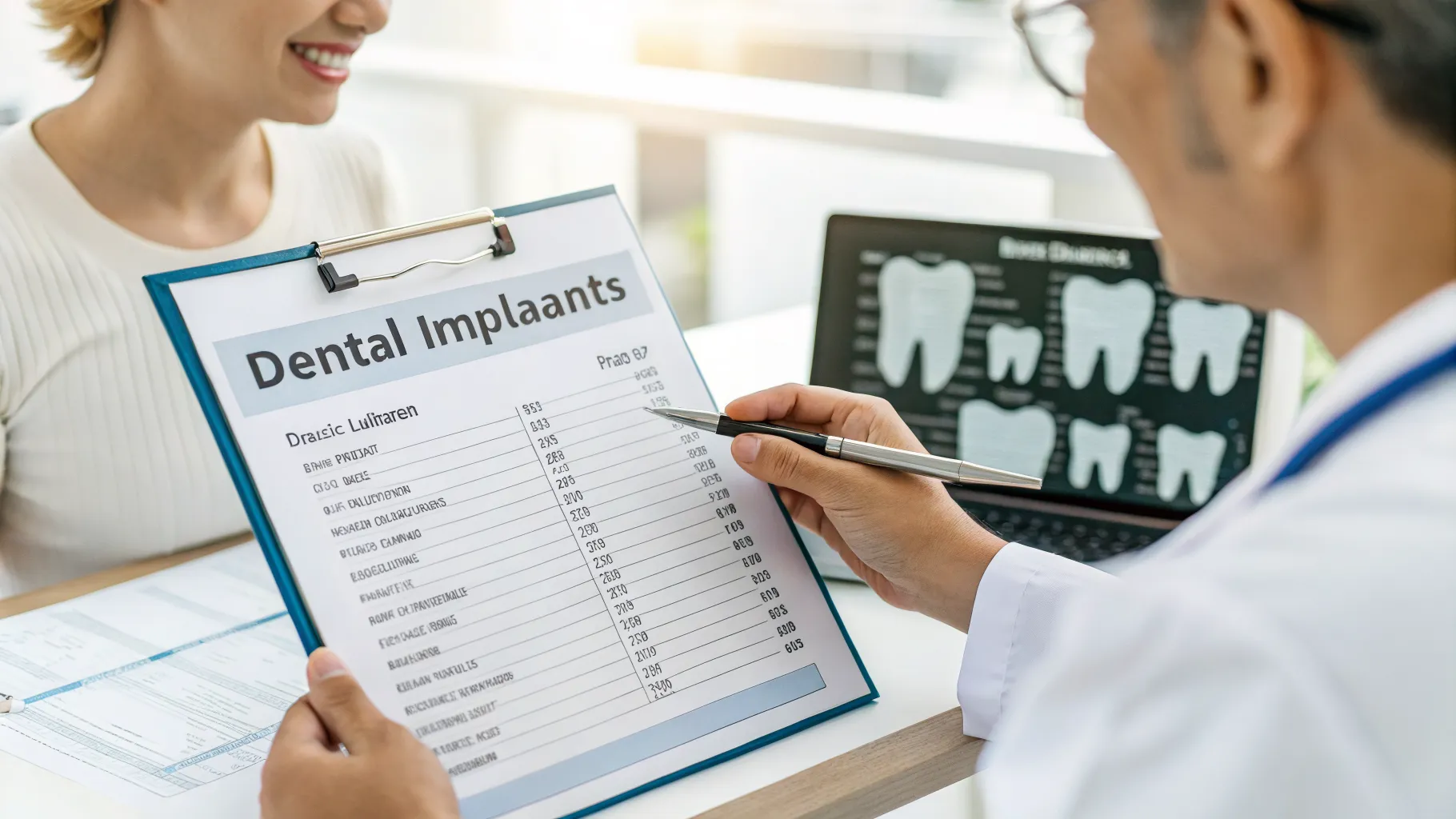
Key Factors Influencing Average Dental Implant Cost
The average dental implant cost is not a static figure but rather a dynamic one, influenced by a combination of critical factors that prospective patients must consider. Firstly, the geographical location within a state plays a significant role; urban areas or regions with a higher cost of living typically exhibit higher prices for dental procedures, including implants. Secondly, the experience and reputation of the dental surgeon are paramount. Highly specialized periodontists or oral surgeons with extensive experience in implantology may charge more for their expertise, which often translates to higher success rates and better outcomes. Thirdly, the materials used for the implant, abutment, and crown can significantly affect the overall price. Premium materials, such as specific titanium alloys or zirconia, may offer enhanced durability and biocompatibility but come with a higher price tag. Lastly, the need for preparatory procedures, such as bone grafting or sinus lifts, to ensure sufficient bone density for implant placement will add substantial costs to the total treatment plan, underscoring why the initial consultation is vital for an accurate estimate.
A State-by-State Look at Dental Implant Costs
When analyzing dental implant pricing by state, it becomes evident that certain regions consistently show higher or lower costs than the national average. States like California, New York, and some New England states often report higher cost of dental implants by state due to higher operational costs, greater demand for advanced dental services, and a concentration of highly specialized practitioners. For instance, the single dental implant cost in major metropolitan areas within these states could easily exceed national averages. Conversely, states in the Midwest or Southern regions, such as Arkansas, Oklahoma, or Alabama, may offer more affordable dental implants, driven by lower overheads for dental practices and a different economic landscape. However, it's crucial to note that lower costs do not necessarily imply lower quality, but rather reflect localized economic realities. Patients are encouraged to research and obtain quotes from multiple providers across different areas to gain a comprehensive understanding of the variations and find options that align with their budget and quality expectations. Understanding these regional disparities is essential when evaluating where to pursue your dental implant treatment, especially if you are considering travel for more economical options.
Exploring Options for Affordable Dental Implants
Finding affordable dental implants requires a strategic approach, as the total cost can be substantial. One avenue to explore is dental schools, which often offer reduced rates for implant procedures. These treatments are performed by supervised dental students, providing excellent care under the guidance of experienced faculty. Another option is to investigate dental tourism, where individuals travel to other countries where the cost of dental implants by state is significantly lower. While this can offer substantial savings, it necessitates careful research into the quality of care, language barriers, and post-procedure follow-up. Some patients also find that negotiating with their local dentist or inquiring about payment plans can help manage costs. Additionally, flexible spending accounts (FSAs) or health savings accounts (HSAs) can be utilized to pay for dental implants with pre-tax dollars, making the investment more manageable over time. Ultimately, a combination of thorough research and proactive communication with dental providers will unveil the most viable pathways to achieving affordable dental implants without compromising on quality or long-term success.
Understanding Full Mouth Dental Implants Cost
The full mouth dental implants cost represents a significantly larger investment compared to a single implant, as it involves replacing all teeth in one or both jaws. This comprehensive treatment often utilizes advanced techniques such as All-on-4 or All-on-6, where a full arch of prosthetic teeth is supported by a smaller number of strategically placed implants. The factors influencing the full mouth dental implants cost include the number of implants required, the type of prosthetic (fixed or removable), the materials used for the prosthetic arch, and the complexity of any necessary bone grafting or extractions. Given the extensive nature of this procedure, prices can range widely, often starting from $20,000 per arch and potentially exceeding $50,000 or more for both arches, depending heavily on the dental implant pricing by state and the specific clinic's offerings. It is paramount for patients considering this option to have a detailed consultation with an experienced oral surgeon or prosthodontist to receive a personalized treatment plan and a comprehensive cost breakdown.
Navigating Insurance and Financing for Dental Implants
When considering dental implant pricing by state, understanding how insurance and financing options work is critical. Unfortunately, many standard dental insurance plans do not fully cover the cost of dental implants, often classifying them as cosmetic procedures or only covering a small percentage of the total. However, some premium dental plans or medical insurance policies may offer partial coverage, especially if the implants are deemed medically necessary following an accident or severe oral health issue. It is always advisable to contact your insurance provider directly to understand your specific benefits and limitations regarding cost of dental implants by state. For costs not covered by insurance, various financing options are available. Many dental offices offer in-house payment plans, allowing patients to spread the cost over several months or years. Third-party medical financing companies, such as CareCredit, provide specialized healthcare credit cards with deferred interest options or low-interest payment plans. Exploring these avenues can significantly alleviate the immediate financial burden of dental implant pricing by state, making treatment more accessible and manageable for a wider range of patients.
Frequently Asked Questions
What factors contribute most to the variation in dental implant pricing by state?
The primary factors include the local cost of living, the average operational costs for dental practices, the experience and specialization of the dental professional, the specific materials chosen for the implant components, and the need for any additional preparatory procedures like bone grafts or extractions. These elements combine to create significant regional differences in the cost of dental implants by state.
Does dental insurance typically cover the full cost of dental implants by state?
No, most standard dental insurance plans do not provide full coverage for dental implants. Many plans consider implants to be a cosmetic procedure or offer only partial coverage. It's crucial to check with your specific insurance provider to understand your benefits and any limitations regarding average dental implant cost.
Are there ways to find more affordable dental implants without sacrificing quality?
Yes, options include seeking treatment at dental schools, which often offer reduced rates, or exploring dental tourism for lower costs in other countries (with careful quality vetting). Additionally, discussing payment plans with your dentist or utilizing health savings accounts (HSAs) and flexible spending accounts (FSAs) can help make affordable dental implants more accessible.
What is the typical price range for a single dental implant cost?
The single dental implant cost can vary widely, generally ranging from $3,000 to $6,000 or more. This range includes the implant, abutment, and crown, but does not usually account for additional procedures like bone grafting or extractions, which can significantly increase the total.
How much can I expect to pay for full mouth dental implants cost?
The full mouth dental implants cost is a substantial investment, typically ranging from $20,000 to over $50,000 per arch. This cost depends on the number of implants used (e.g., All-on-4, All-on-6), the type of prosthetic (fixed or removable), and any necessary preparatory surgeries. It's advisable to get a detailed quote from a specialist.
References
- American Academy of Implant Dentistry
- Journal of Oral and Maxillofacial Surgery
- National Institute of Dental and Craniofacial Research
- Various state dental association publications
Authored by MyTrendSpot team