Diesel Generator for Home Power: Your Ultimate Home Backup Solution
Facts:
- Diesel generators offer robust emergency power.
- Demand for home backup power continues to grow for homeowners.
Ensuring Uninterrupted Electricity: The Role of a Diesel Generator for Home Power
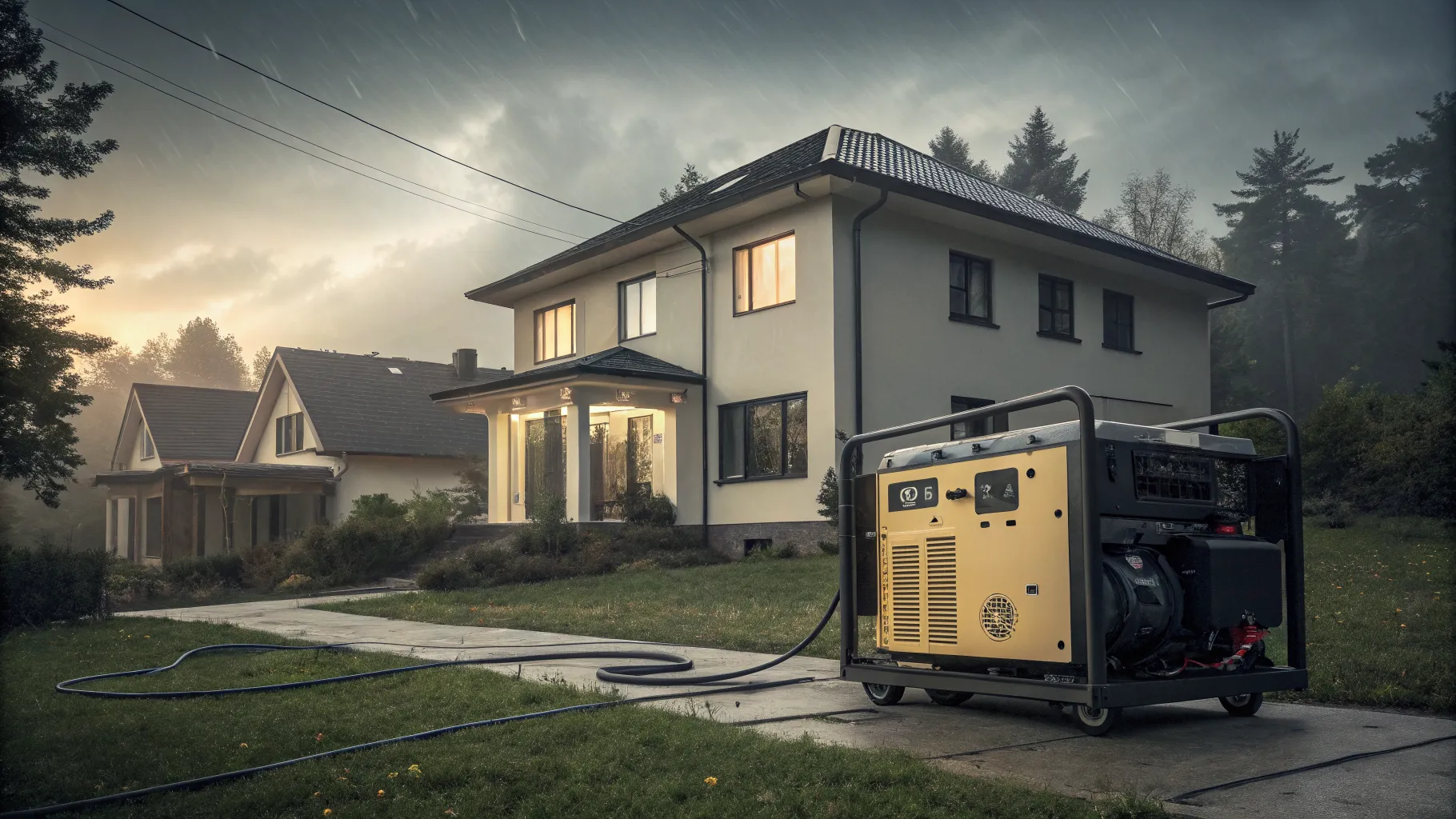
In an era where reliable electricity is not just a convenience but a necessity, the threat of power outages looms large for many households. Whether due to severe weather, grid failures, or unexpected disruptions, losing electricity can bring modern life to a standstill. This is where a diesel generator for home power becomes an indispensable asset, providing a robust and dependable solution for uninterrupted electricity. A well-chosen and properly maintained residential diesel generator ensures that essential services, from heating and cooling to refrigeration and communication, remain fully operational, safeguarding your family's comfort and safety during critical times. Understanding the intricate workings and benefits of these powerful units is the first step towards securing your home against unpredictable power loss.
Key Considerations When Choosing a Residential Diesel Generator
Selecting the right diesel generator for home power involves several critical considerations to ensure it meets your specific needs. First, determine your power output requirements. This means calculating the total wattage of all essential appliances and systems you wish to power during an outage. Overestimating can lead to unnecessary costs, while underestimating can leave critical systems unpowered. Second, evaluate the specific fuel type. While all are diesel, variations in fuel quality and storage methods can impact performance and longevity. Third, consider noise levels; modern residential diesel generator units come with advanced sound attenuation, but placement and decibel ratings are still important factors for residential areas. Finally, factor in installation complexity and long-term maintenance needs, as these aspects significantly influence the overall cost of ownership and operational reliability.
Advantages of Diesel Generators for Home Backup
Diesel generators stand out as a premier home backup power solution due to several inherent advantages. Their reliability and durability are paramount; diesel engines are renowned for their robust construction and ability to operate for extended periods under heavy loads, making them ideal for prolonged power outages. Furthermore, generator fuel efficiency is a significant benefit, as diesel engines typically consume less fuel than gasoline equivalents for the same power output, leading to lower running costs. The relatively long shelf life of diesel fuel also makes it a more suitable option for long-term storage, an important consideration for emergency preparedness. These generators often require less frequent maintenance compared to other fuel types, contributing to their reputation as a steadfast and economical choice for securing your home's power supply.
Installation and Maintenance Best Practices for Your Home Diesel Generator
Proper installation and diligent maintenance are crucial for maximizing the performance and longevity of your diesel generator for home power. Professional installation by certified technicians is non-negotiable, ensuring all electrical connections, fuel lines, and exhaust systems comply with local codes and safety standards. Incorrect installation can pose serious risks, including fire hazards and carbon monoxide poisoning. Regular maintenance checks are equally vital. This includes routine oil changes, filter replacements (fuel, air, oil), battery inspection, and coolant level checks. Adhering to the manufacturer's recommended service schedule is critical for preventing breakdowns and ensuring the generator is ready to operate when a power outage solution is needed most. Keeping a detailed log of all maintenance activities helps track the generator's health and anticipated service needs, securing its reliable operation for years.
Comparing Diesel Generators to Other Home Backup Power Solutions
When evaluating options for a robust power outage solution, it's essential to compare a diesel generator for home power against alternatives like gasoline generators, natural gas generators, and solar-plus-battery systems. Gasoline generators are often more affordable upfront but suffer from poor generator fuel efficiency, higher fuel consumption, and shorter fuel shelf life, making them less ideal for extended outages. Natural gas generators offer a continuous fuel supply if connected to a utility line, but their power output can be limited and they are susceptible to disruptions in the gas supply during disasters. Solar-plus-battery systems are environmentally friendly but involve high initial costs and their effectiveness is dependent on sunlight and battery capacity, which might not be sufficient for prolonged, cloudy periods. In contrast, a residential diesel generator offers a balance of reliable, high power output, excellent fuel efficiency, and dependable performance, making it a superior choice for many homeowners seeking an enduring emergency power source.
Maximizing Generator Fuel Efficiency for Extended Operation
Regular Maintenance: Consistently perform all scheduled maintenance, including oil changes, air filter replacements, and fuel system cleanings. A well-maintained engine runs more efficiently and consumes less fuel.
Proper Load Management: Avoid overloading or underloading the generator. Operating the generator too far below its rated capacity can be inefficient, while overloading causes excessive strain and fuel consumption. Strive to operate it near its optimal load for best generator fuel efficiency.
Use Quality Fuel and Stabilizers: Always use high-quality, clean diesel fuel. Consider adding fuel stabilizers, especially for stored fuel, to prevent degradation and maintain fuel quality, which directly impacts engine efficiency.
Monitor Exhaust and Emissions: Keep an eye on the exhaust for unusual smoke, which can indicate poor combustion and wasted fuel. Ensure the exhaust system is clear and free of blockages for optimal performance.
Check for Leaks: Regularly inspect fuel lines, tanks, and connections for any leaks. Even minor leaks can lead to significant fuel loss over time and reduce overall generator fuel efficiency.
Frequently Asked Questions
How reliable is a diesel generator for home power during an extended outage?
Diesel generators are highly reliable for extended outages due to their robust engine design, durability, and typically large fuel tank capacities. They are built to operate continuously for many hours or even days, provided they have sufficient fuel and are properly maintained.
What are the fuel requirements and storage considerations for a residential diesel generator?
A residential diesel generator requires standard diesel fuel. It's crucial to store diesel in approved containers in a cool, dry place away from direct sunlight and heat. Using fuel stabilizers can extend its shelf life, making it suitable for long-term emergency preparedness.
Can a diesel generator for home be integrated with a smart home system?
Many modern diesel generator for home models can be integrated with smart home systems through transfer switches and monitoring software. This allows for remote monitoring, automatic startup, and real-time status updates via smartphone or other devices.
What is the typical lifespan of a well-maintained diesel generator for home power?
A well-maintained diesel generator for home power can last for thousands of operating hours, often between 15,000 to 30,000 hours, which translates to several decades of reliable service for typical residential emergency use.
References
- US Department of Energy Reports on Emergency Power Solutions
- National Fire Protection Association (NFPA) Standards for Generator Installation
- Environmental Protection Agency (EPA) Guidelines for Diesel Engine Emissions
- Industry Journals on Power Generation and Backup Systems
- Manufacturer Specifications for Residential Diesel Generators
Authored by MyTrendSpot team