Discovering the Best Alzheimer's Care Facilities in the United States
Facts:
- Over 6 million Americans live with Alzheimer's disease.
- Demand for specialized dementia care is projected to increase significantly for aging populations.
Evaluating Excellence in Alzheimer's Care Facilities
Choosing the right Alzheimer's care facilities in the United States is a critical decision for families seeking the highest quality of life and support for their loved ones. These senior living communities offer more than just assistance; they provide environments specifically designed to enhance well-being, safety, and cognitive engagement for individuals living with dementia care. Understanding the criteria for excellence is the first step in finding a facility that truly meets specific needs.
Key Factors for Selecting Top Alzheimer's Care Facilities
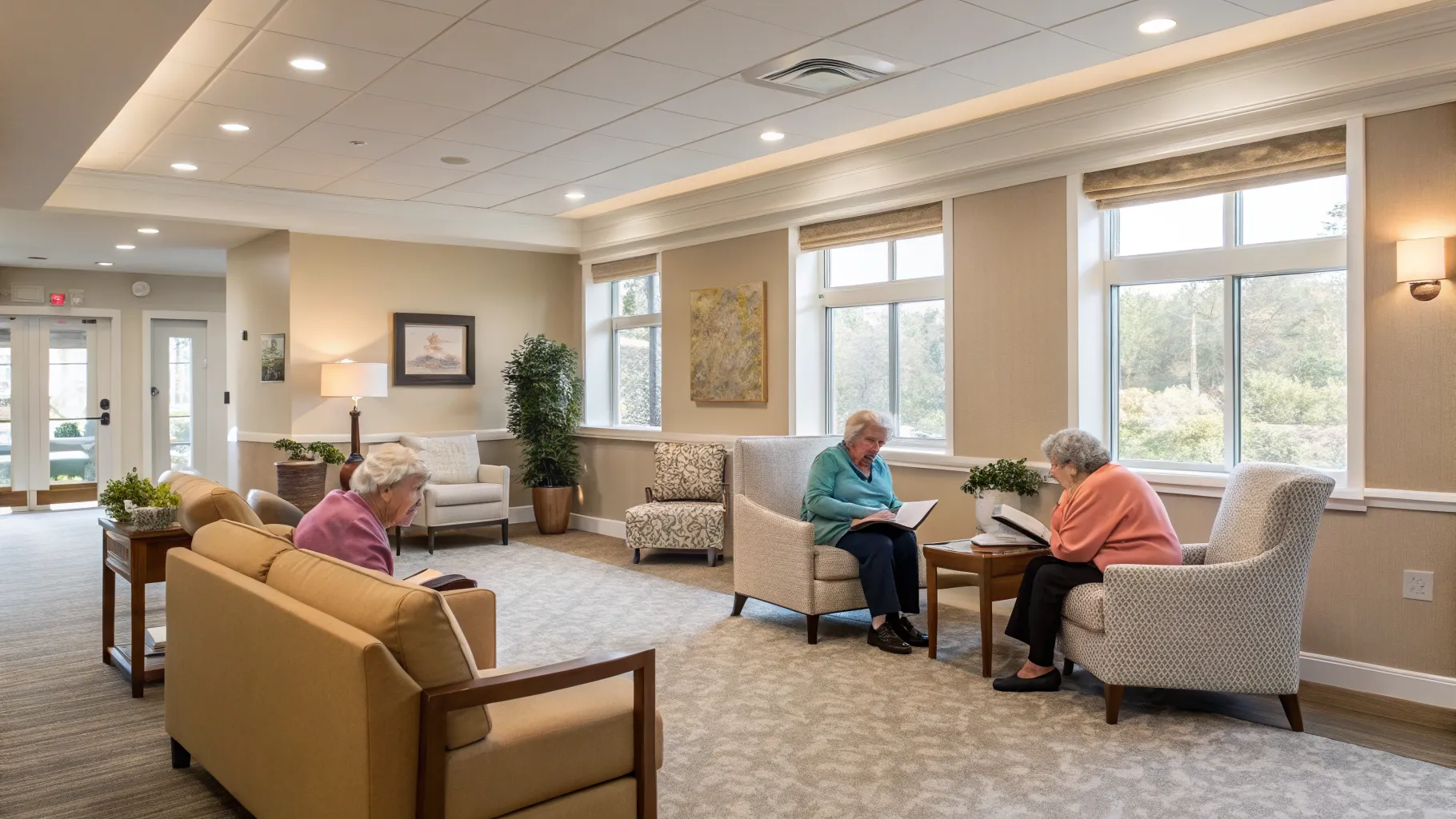
When searching for the best Alzheimer's care facilities, it is imperative to look beyond superficial amenities and delve into the core aspects of their care philosophy and operational excellence. Facilities excelling in memory care often showcase robust staffing ratios, with highly trained professionals who understand the nuances of dementia care. This includes not only registered nurses and certified nursing assistants but also specialized therapists who can engage residents in cognitive and physical activities tailored to their individual needs. Furthermore, the physical environment plays a crucial role. Safe, easily navigable spaces, secured perimeters, and specialized design elements that reduce agitation and confusion are hallmarks of superior senior living communities focused on Alzheimer's. Families should scrutinize how these environments foster a sense of familiarity and calm, which are essential for residents' well-being.
Understanding Specialized Dementia Care Programs
Exceptional Alzheimer's care facilities distinguish themselves through their specialized care programs. These programs go far beyond basic custodial care, offering therapeutic activities designed to stimulate cognitive function, encourage social interaction, and maintain residents' dignity. For example, some facilities incorporate music therapy, art therapy, pet therapy, and reminiscence therapy into their daily routines. These activities are not merely diversions but are strategically planned to slow cognitive decline, reduce behavioral symptoms, and improve overall quality of life. The effectiveness of these programs hinges on personalized care plans, where each resident's history, preferences, and current abilities are taken into account. Truly outstanding memory care means adapting the program to the individual, rather than fitting the individual into a rigid program. This level of customization is a strong indicator of a facility's commitment to excellence in dementia care.
The Importance of Staff Training and Resident Engagement in Memory Care
The caliber of staff is arguably the most critical component in defining the best Alzheimer's care facilities. Staff members in leading memory care units receive extensive training specifically in dementia care best practices, including communication techniques for individuals with cognitive impairments, understanding challenging behaviors, and implementing non-pharmacological interventions. This specialized education ensures that caregivers are not just performing tasks but are truly engaging with residents in a compassionate and empathetic manner. Beyond formal training, excellent facilities foster a culture of genuine engagement, where staff members actively participate in residents' lives, building meaningful relationships. This deep level of interaction helps to create a supportive and understanding environment, minimizing stress and maximizing comfort for residents in senior living communities.
Financial Considerations and Navigating Payment Options for Alzheimer's Care
While the quality of care is paramount, understanding the financial aspects of Alzheimer's care facilities is also a significant consideration for families. The cost of memory care can vary widely based on location, level of care required, and facility amenities. It is crucial for families to research and understand what is included in the monthly fees and what additional services might incur extra charges. Many families explore various payment options, including long-term care insurance, personal savings, veterans' benefits, and sometimes Medicaid waivers, though eligibility requirements for the latter can be stringent. High-quality senior living communities often have financial advisors on staff or can recommend resources to help families navigate these complex choices. Transparency in pricing and a willingness to discuss financial planning are key indicators of a reputable dementia care provider. Families should ensure they have a clear understanding of all potential costs to make an informed decision for the best Alzheimer's care facilities.
Ensuring a Safe and Stimulating Environment in Specialized Dementia Care
A truly exceptional Alzheimer's care facility provides an environment that is not only safe but also highly stimulating and engaging. Safety measures include secure perimeters, discreet monitoring systems, and layouts designed to prevent wandering and reduce fall risks, all while maintaining a homelike atmosphere. However, safety must be balanced with opportunities for cognitive and physical stimulation. The best Alzheimer's care facilities often feature thoughtfully designed indoor and outdoor spaces that encourage exploration and activity, such as secure gardens, walking paths, and activity rooms equipped for various therapies. These environments promote independence while mitigating risks, allowing residents to experience a sense of freedom within a protected setting. The integration of technology for resident safety and engagement, such as passive monitoring systems or interactive digital therapies, can also signify a forward-thinking approach to specialized dementia care.
Making the Right Choice: Actionable Advice for Finding the Best Alzheimer's Care
- Start Early and Research Thoroughly: Begin your search for Alzheimer's care facilities well in advance. Gather information from multiple sources, including online reviews, state licensing agencies, and recommendations from healthcare professionals specializing in dementia care. Early planning allows for a more comprehensive evaluation of options.
- Visit Multiple Facilities: Schedule tours at several memory care facilities. Pay close attention to the atmosphere, cleanliness, resident engagement, and staff-resident interactions. Observe mealtimes and activity sessions to get a real sense of daily life. Ask about staff-to-resident ratios and turnover rates.
- Ask Detailed Questions About Care Plans: Inquire about how personalized care plans are developed and implemented. Understand the facility's approach to managing challenging behaviors, medication administration, and emergency protocols. Clarify what medical services are available on-site versus requiring external appointments for senior living communities.
- Evaluate Staff Training and Experience: Don't hesitate to ask about staff training programs, particularly those focused on specialized dementia care. A highly trained and compassionate staff is fundamental to high-quality Alzheimer's care facilities. Look for facilities with low staff turnover, which often indicates a positive work environment and consistent care.
- Consider Location and Accessibility: While quality of care is paramount, the facility's location can impact how frequently family members can visit. Proximity to family and familiar surroundings can be beneficial for the resident's emotional well-being. Ensure the facility is easily accessible for visitors.
Frequently Asked Questions
What is the primary difference between assisted living and a specialized Alzheimer's care facility?
The primary difference lies in the level and type of care. While assisted living facilities offer general support for daily activities, specialized Alzheimer's care facilities, often referred to as memory care units, are specifically designed and staffed to meet the complex needs of individuals with dementia. They feature secure environments, specialized activities, and staff trained in dementia care communication and behavioral strategies, ensuring a higher level of safety and engagement tailored to cognitive impairment.
How do I know if an Alzheimer's care facility is reputable and provides high-quality care?
To determine the reputability of Alzheimer's care facilities, look for state licensing and accreditation, read reviews, and visit the facility multiple times. Key indicators of high-quality memory care include experienced and well-trained staff, personalized dementia care plans, engaging activity programs, a secure and stimulating environment, positive resident-to-staff interactions, and transparent communication with families. Always ask for references and check for any reported violations with state regulatory bodies.
Are there financial assistance programs available for Alzheimer's care in the U.S.?
Yes, there are several financial assistance programs that may help cover the cost of Alzheimer's care facilities. These can include long-term care insurance, veterans' benefits (such as Aid and Attendance), specific Medicaid waivers (eligibility varies by state), and some private payment options. It's advisable to consult with a financial advisor specializing in senior care or the facility's admissions coordinator to understand all available options for financing senior living communities and memory care.
References
- Alzheimer's Association. Alzheimer's Disease Facts and Figures.
- National Institute on Aging. Alzheimer's Disease: Causes, Symptoms, and Treatment.
- LeadingAge. Quality and Accountability in Long-Term Services and Supports.
- The Gerontological Society of America. Best Practices in Dementia Care.
Authored by MyTrendSpot team