Discovering Top-Rated Breast Cancer Care Facilities in the United States for Oncology Excellence
Facts:
- Early detection significantly improves survival rates for breast cancer care.
- Advancements in targeted therapies are transforming specialized cancer treatment for patients.
Navigating Excellence: Identifying the Premier Breast Cancer Care Centers
For individuals facing a breast cancer diagnosis, securing the highest quality of care is paramount. The journey to recovery often begins with identifying leading institutions that offer comprehensive and cutting-edge breast cancer care. Understanding what constitutes a top-rated facility and where to find such centers is crucial for optimizing patient outcomes and ensuring access to the most effective treatments available today.
Criteria for Evaluating Leading Oncology Excellence in Breast Cancer Care
Identifying truly exceptional breast cancer care facilities requires a discerning eye for several key criteria. Foremost among these is accreditation from reputable bodies, signaling adherence to stringent quality and safety standards. Furthermore, facilities demonstrating strong institutional commitment to research and innovation often lead the way in developing and implementing novel therapies, thus offering patients access to groundbreaking clinical trials and state-of-the-art treatment protocols. A facility's multidisciplinary team approach, involving oncologists, surgeons, radiologists, pathologists, genetic counselors, and support staff, ensures a holistic and personalized treatment plan for every patient, directly impacting their journey towards recovery and positive patient outcomes. The depth of experience of the medical staff, particularly in rare or complex cases, also plays a pivotal role in delivering superior specialized cancer treatment. Robust support services, including patient navigators, psychological counseling, nutritional guidance, and survivorship programs, are integral to addressing the comprehensive needs of patients beyond medical intervention. Ultimately, these collective elements contribute to a facility's overall oncology excellence and its ability to provide truly top-tier care.
Spotlight on Top-Rated Breast Cancer Care Facilities: A Comprehensive Review
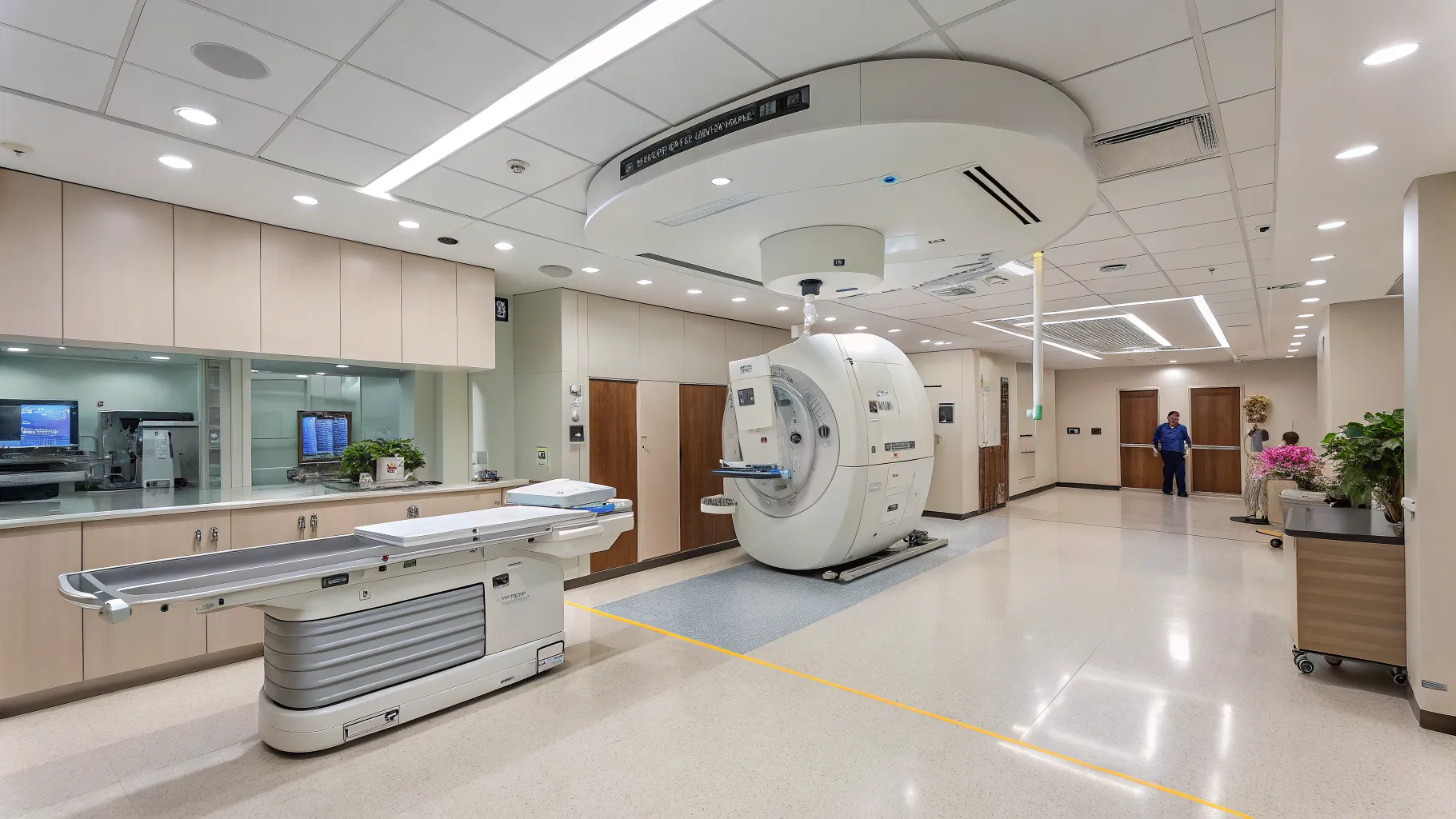
The United States is home to numerous institutions renowned for their exceptional contributions to breast cancer care. While specific rankings may vary by methodology, several characteristics consistently define these leading centers. These institutions are often academic medical centers or large specialized cancer hospitals that integrate research, education, and patient care seamlessly. They typically boast advanced diagnostic capabilities, including advanced mammography, MRI, and genetic testing, crucial for precise disease staging and personalized treatment planning. Their surgical teams possess extensive experience in complex procedures, ranging from lumpectomies to reconstructive surgeries, often employing minimally invasive techniques to improve recovery times. Radiation oncology departments at these top cancer centers utilize the latest technologies, such as proton therapy or intensity-modulated radiation therapy (IMRT), to target tumors with unparalleled precision while minimizing damage to healthy tissue. Moreover, their medical oncology divisions are at the forefront of systemic therapies, offering access to innovative chemotherapy regimens, hormone therapies, targeted therapies, and immunotherapies, often tailored based on molecular profiling of individual tumors. These facilities excel not only in primary treatment but also in managing advanced disease and providing robust palliative care options, ensuring a continuum of high-quality breast cancer care. Their dedication to oncology excellence is evident in their consistent investment in technology and human capital, ensuring they remain pioneers in the field of specialized cancer treatment.
Advanced Treatment Modalities and Patient Outcomes at Elite Centers
The hallmark of top-rated breast cancer care facilities lies in their pioneering adoption and mastery of advanced treatment modalities, which directly translate into improved patient outcomes. These centers frequently participate in and lead clinical trials, offering patients access to treatments not yet widely available, including novel drug combinations, cutting-edge surgical techniques, and innovative radiation delivery methods. For example, advancements in personalized medicine, driven by comprehensive genomic profiling, allow oncologists to identify specific mutations in a patient's tumor, leading to highly targeted therapies that are often more effective and less toxic than traditional treatments. Immunotherapy, another revolutionary approach, harnesses the body's own immune system to fight cancer, and elite centers are at the forefront of understanding and implementing these complex treatments. Beyond medical interventions, these facilities emphasize precision in all aspects of care, from diagnostic imaging with AI-assisted analysis to real-time monitoring of treatment response. The robust data collection and analysis at these top cancer centers contribute significantly to medical knowledge, continually refining best practices and improving the standard of breast cancer care globally. This commitment to leveraging the most advanced science and technology ensures that patients receive the most effective and individualized specialized cancer treatment available, significantly enhancing their long-term prognosis and quality of life.
The Multidisciplinary Approach to Specialized Cancer Treatment
A defining characteristic of leading breast cancer care facilities is their unwavering commitment to a multidisciplinary approach to specialized cancer treatment. This collaborative model brings together an array of medical experts—including surgical oncologists, medical oncologists, radiation oncologists, pathologists, radiologists, plastic surgeons, genetic counselors, oncology nurses, social workers, and palliative care specialists—to collectively review each patient's case. This comprehensive discussion ensures that every angle of the diagnosis and potential treatment options is considered, leading to a highly personalized and integrated care plan. For instance, a patient might benefit from neoadjuvant chemotherapy (given before surgery) to shrink a tumor, followed by a breast-conserving surgery, and then adjuvant radiation therapy. The timing and sequence of these treatments are meticulously coordinated by the multidisciplinary team to optimize efficacy and minimize side effects. This integrated approach not only streamlines care delivery but also provides patients with confidence that their treatment plan is the result of collective expertise and the most current evidence-based practices. This cohesive strategy is instrumental in achieving superior patient outcomes, particularly for complex or aggressive forms of breast cancer, demonstrating the true value of oncology excellence in practice.
Navigating Insurance and Access to Top Cancer Centers
While the prospect of receiving care from top cancer centers is appealing, practical considerations like insurance coverage and access can present challenges. Leading breast cancer care facilities often have dedicated patient navigators or financial counselors who assist patients in understanding their insurance benefits, navigating complex billing procedures, and exploring financial assistance programs. Many top-tier hospitals are in-network with a wide range of insurance providers, but it is crucial for patients to verify their specific coverage and potential out-of-pocket costs upfront. For those needing to travel for specialized cancer treatment, these centers often provide resources for accommodation, transportation, and local support services. Additionally, some foundations and non-profit organizations offer grants or aid to patients seeking treatment at distant facilities. Understanding referral processes, particularly for highly specialized services or clinical trials, is also key. Patients should proactively engage with their primary care physician or initial oncologist to discuss referrals to centers known for oncology excellence and comprehensive breast cancer care. The goal is to ensure that financial or logistical barriers do not impede access to the best possible care, thereby safeguarding the potential for optimal patient outcomes.
Frequently Asked Questions
How do I identify the best breast cancer care facility for my specific needs?
To identify the best facility, consider factors such as the hospital's accreditation, the experience and sub-specialization of its oncologists, available clinical trials, comprehensive support services, and its multidisciplinary approach to treatment. Online resources, patient advocacy groups, and your referring physician can provide valuable insights into facilities known for oncology excellence and superior patient outcomes.
Are top cancer centers always more expensive, and how can I manage costs?
While top centers may offer advanced and specialized treatments, costs vary. Many participate in a wide array of insurance networks. It's essential to contact the facility's financial counseling department to understand your coverage, discuss potential costs, and explore financial assistance programs, grants, or payment plans available. They can help navigate the complexities of accessing high-quality breast cancer care.
What role does a multidisciplinary team play in specialized cancer treatment?
A multidisciplinary team brings together various specialists (e.g., surgeons, medical oncologists, radiation oncologists, pathologists) to collaboratively review your case and create a highly personalized treatment plan. This ensures all aspects of your diagnosis are considered, leading to integrated and comprehensive breast cancer care designed to optimize your patient outcomes.
References
- American Cancer Society Guidelines for Breast Cancer Treatment.
- National Cancer Institute: Understanding Breast Cancer.
- Clinical Oncology Research Studies on Treatment Modalities.
- Journal of Clinical Oncology: Advances in Personalized Breast Cancer Therapy.
Authored by MyTrendSpot team