Effective Insomnia Treatment Options for Seniors in Florida
Facts:
- Insomnia affects over 30% of older adults globally.
- Increased demand for senior sleep health services in Florida.
Exploring Comprehensive Insomnia Treatment Options for Seniors in Florida
Navigating sleepless nights can be particularly challenging for older adults. For seniors residing in the Sunshine State, understanding the array of insomnia treatment for seniors available in Florida is crucial for improving overall well-being. This guide delves into various strategies, from behavioral therapies to environmental adjustments, aimed at restoring restful sleep and enhancing senior sleep health.
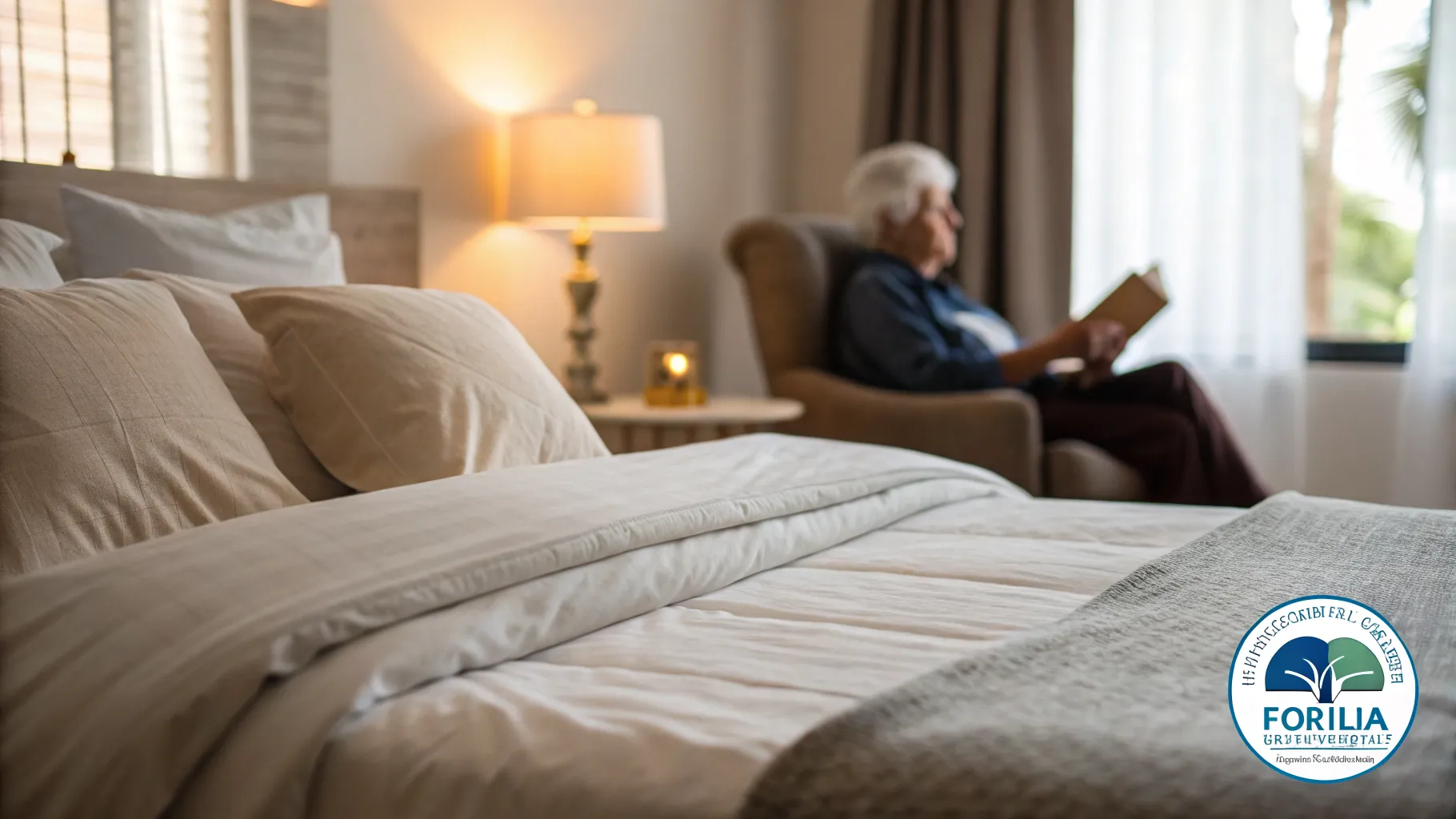
Understanding Insomnia in Older Adults
Insomnia, characterized by difficulty falling asleep, staying asleep, or experiencing non-restorative sleep, is a pervasive issue among the elderly. Physiological changes associated with aging, such as altered circadian rhythms, reduced melatonin production, and medical comorbidities, contribute significantly to sleep disturbances. Furthermore, polypharmacy – the use of multiple medications – can also interfere with sleep patterns, necessitating careful consideration of insomnia treatment options for seniors in Florida that are holistic and tailored. Recognizing the unique challenges faced by seniors is the first step towards effective senior sleep health management.
Behavioral and Lifestyle Interventions: Foundations of Sleep Health
One of the most effective non-pharmacological approaches to combating insomnia is cognitive behavioral therapy for insomnia (CBT-I). This therapy addresses the underlying thoughts and behaviors that perpetuate sleep problems, offering seniors sustainable strategies for better sleep. CBT-I often involves sleep restriction, stimulus control, and cognitive restructuring, helping individuals re-establish a healthy relationship with sleep. Many Florida sleep clinics specialize in delivering CBT-I, recognizing its superior long-term efficacy compared to medication alone for insomnia treatment for seniors.
The Role of Cognitive Behavioral Therapy for Insomnia (CBT-I)
Cognitive behavioral therapy for insomnia (CBT-I) is not merely about changing habits; it's about reshaping perceptions and anxieties surrounding sleep. Therapists work with seniors to identify maladaptive sleep behaviors, such as spending excessive time in bed awake, and challenge unhelpful thoughts like "I'll never sleep again." Techniques like stimulus control help re-associate the bed with sleep, while sleep restriction aims to consolidate sleep, making it more efficient and restorative. For seniors seeking comprehensive insomnia treatment for seniors, CBT-I offers a structured and evidence-based pathway to improved senior sleep health without reliance on medication.
Implementing Effective Sleep Hygiene Practices
Alongside CBT-I, adopting robust sleep hygiene tips for seniors is fundamental. These practices create an environment conducive to sleep and reinforce healthy sleep habits. This includes maintaining a consistent sleep schedule, even on weekends, ensuring the bedroom is dark, quiet, and cool, and avoiding stimulating activities before bedtime. Limiting caffeine and alcohol intake, especially in the afternoon and evening, is also critical. These foundational practices are often the first line of defense and are emphasized in various Florida sleep clinics as part of a holistic insomnia treatment for seniors plan, significantly boosting senior sleep health.
Exploring Medical and Pharmacological Approaches
While non-pharmacological methods are often preferred, certain situations may warrant medical intervention. Physicians in Florida sleep clinics carefully assess each senior's medical history, current medications, and the nature of their insomnia before recommending pharmacological options. These might include short-term use of hypnotics, sedating antidepressants, or melatonin receptor agonists. The goal is always to find the safest and most effective solution with the fewest side effects, particularly given the increased sensitivity of older adults to medications. Comprehensive discussions with healthcare providers are vital to determine the most appropriate insomnia treatment for seniors when considering medication.
Prescription Medications vs. Over-the-Counter Aids
When it comes to medication, there's a significant distinction between prescription sleep aids and over-the-counter (OTC) options. Prescription medications, such as zolpidem or eszopiclone, are potent and require strict medical supervision due to potential side effects like dizziness, confusion, and dependence, especially in older adults. On the other hand, OTC sleep aids often contain antihistamines which can have anticholinergic effects, leading to cognitive impairment and increased fall risk in seniors. Therefore, any decision regarding medication as an insomnia treatment for seniors should be made in consultation with a healthcare professional, preferably at one of the specialized Florida sleep clinics, to ensure safety and efficacy, prioritizing overall senior sleep health.
Alternative and Complementary Therapies for Senior Sleep Health
Beyond conventional treatments, many seniors explore alternative and complementary therapies to manage their insomnia. Practices such as meditation, yoga, and tai chi can promote relaxation and reduce stress, which are often contributors to sleep disturbances. Herbal remedies like valerian root or chamomile are also popular, though their efficacy and safety should always be discussed with a doctor, especially given potential interactions with other medications. Acupressure and aromatherapy are other gentle methods that some seniors find beneficial. Integrating these approaches can provide a more holistic insomnia treatment for seniors strategy, complementing traditional methods to enhance senior sleep health.
Personalized Care in Florida Sleep Clinics
The availability of specialized Florida sleep clinics is a tremendous asset for seniors struggling with insomnia. These clinics offer comprehensive evaluations, including polysomnography (sleep studies), to accurately diagnose sleep disorders beyond just insomnia, such as sleep apnea or restless legs syndrome. A multidisciplinary team of sleep specialists, neurologists, and psychologists often collaborates to develop personalized insomnia treatment for seniors plans. This tailored approach ensures that all contributing factors to a senior's sleep problems are addressed, leading to more effective and sustainable improvements in senior sleep health and overall quality of life.
Actionable Advice for Improving Senior Sleep Health
- Consult a Sleep Specialist: Seek professional guidance from Florida sleep clinics or a doctor specializing in sleep disorders for an accurate diagnosis and personalized insomnia treatment for seniors plan.
- Prioritize a Consistent Routine: Establish a regular bedtime and wake-up time, even on weekends, to regulate your body's natural sleep-wake cycle.
- Optimize Your Sleep Environment: Ensure your bedroom is dark, quiet, cool, and comfortable. Invest in a good mattress and pillows.
- Incorporate Regular Physical Activity: Engage in moderate exercise during the day, but avoid strenuous workouts close to bedtime.
- Manage Stress Effectively: Practice relaxation techniques such as deep breathing, meditation, or gentle yoga to calm your mind before sleep. Addressing stress is key to improving senior sleep health.
- Review Medications with Your Doctor: Discuss all current medications with your healthcare provider to identify any that might be interfering with your sleep and explore alternatives or adjustments.
- Limit Naps: If you must nap, keep it short (20-30 minutes) and early in the afternoon to avoid disrupting nighttime sleep.
Frequently Asked Questions
What are the common causes of insomnia in seniors?
Common causes of insomnia in seniors include age-related changes in sleep patterns, underlying medical conditions like chronic pain or heart disease, side effects from medications, neurological disorders, and lifestyle factors such as poor sleep hygiene tips for seniors or lack of physical activity. Addressing these root causes is central to effective insomnia treatment for seniors.
Is medication always necessary for treating senior insomnia?
No, medication is not always necessary for treating insomnia treatment for seniors. In fact, non-pharmacological approaches like cognitive behavioral therapy for insomnia (CBT-I) and improved sleep hygiene tips for seniors are often the first-line treatments and can provide long-lasting relief without the side effects associated with sleep medications. Many Florida sleep clinics prioritize these behavioral therapies.
How can Florida climate affect senior sleep?
The hot and humid Florida climate can sometimes exacerbate sleep issues for seniors, especially if bedrooms are not adequately cooled and ventilated. High temperatures can make it difficult to fall and stay asleep. Maintaining a cool bedroom environment is an important part of sleep hygiene tips for seniors in Florida.
References
- National Institute on Aging: Sleep and Older Adults
- American Academy of Sleep Medicine Guidelines
- Journal of Gerontology: Medical Sciences research on senior sleep
- Florida Department of Health: Senior Wellness Initiatives
Authored by MyTrendSpot team