Exploring the World of Retired Military Communication Arrays for Sale
Fast Facts:
- High demand for robust communication solutions.
- Growing interest in surplus military communication equipment for hobbyists and niche industries.
Unearthing Value in Retired Military Communication Arrays
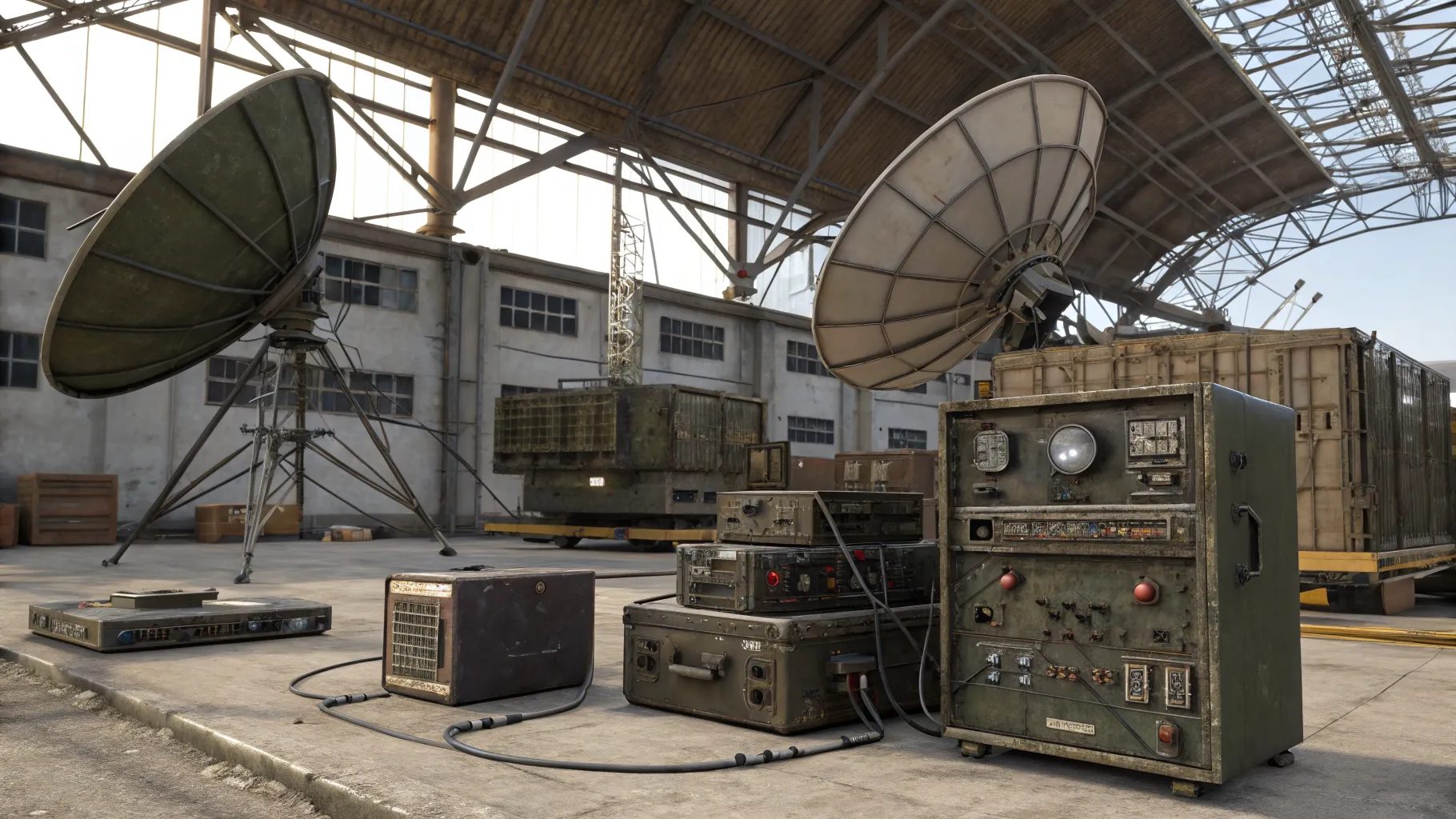
The market for retired military communication arrays presents a unique opportunity for enthusiasts, private organizations, and researchers seeking robust and reliable communication infrastructure. These sophisticated systems, once integral to national defense and secure communications, are now becoming accessible to the public, offering advanced capabilities often unavailable in commercial-grade equipment. Understanding the origins, capabilities, and acquisition processes for these specialized assets is crucial for potential buyers looking to leverage their enduring quality and performance. From vast satellite dishes to intricate control panels, each piece of disposed defense electronics carries a legacy of resilience and technological prowess, promising unparalleled durability and functionality for various non-military applications.
The Legacy of Tactical Radio Systems from Military Service
Military-grade communication equipment is engineered to operate under the most extreme conditions, ensuring secure and uninterrupted transmissions where standard commercial systems would fail. This inherent ruggedness and advanced design mean that even after retirement, these tactical radio systems retain significant operational value. Their construction often involves superior materials, shielding against electromagnetic interference, and designs capable of withstanding environmental stressors such as extreme temperatures, moisture, and physical shock. This robust engineering makes retired military communication arrays highly sought after for applications demanding utmost reliability, from long-range amateur radio to critical infrastructure monitoring. The technology embedded in these arrays often includes sophisticated encryption capabilities, although their use in a civilian context is subject to strict regulatory compliance, making careful due diligence paramount for any prospective owner.
Navigating the Market for Surplus Military Communication Equipment
Acquiring surplus military communication equipment involves understanding specific channels and regulations. Government surplus auctions, specialized defense electronics dealers, and online marketplaces dedicated to industrial and scientific equipment are primary sources. Each channel offers different advantages regarding pricing, condition, and availability of documentation. It is vital to scrutinize the provenance of any equipment to ensure legal ownership and compliance with export control laws, which can be complex for items originally designed for military use. Furthermore, assessing the physical and operational condition of these items is critical, as they may require refurbishment or replacement parts. Buyers should also consider the completeness of the system; sometimes, only components are available, necessitating additional efforts to assemble a functional array. The market is dynamic, with new batches of government surplus comms appearing regularly, offering a diverse range of opportunities for informed buyers.
Types of Available Government Surplus Comms
The variety of government surplus comms can be extensive, encompassing everything from high-frequency (HF) transceivers designed for long-distance communication to satellite ground terminals capable of global connectivity. Buyers might encounter vehicle-mounted communication systems, man-pack radios, fixed-site installations, and specialized antenna arrays. Each type serves different operational needs and comes with its own set of technical specifications and potential applications. For example, older analog HF radios might appeal to amateur radio operators for their simplicity and robustness, while more advanced digital satellite terminals could be valuable for remote data collection or emergency communication networks. Understanding the specific model numbers and their original military designations can provide significant insight into their capabilities and compatibility with existing infrastructure. Access to technical manuals, though often rare, can greatly assist in the setup and maintenance of these complex systems.
Key Considerations When Purchasing Disposed Defense Electronics
When investing in disposed defense electronics, several factors beyond the initial purchase price must be considered. Power requirements are often significant and may necessitate specialized power supplies or generators. Antenna compatibility is another critical aspect, as military systems frequently use unique connectors and frequencies. Technical expertise for installation, configuration, and troubleshooting is almost always required, as these systems are not 'plug-and-play'. Potential buyers should also factor in the cost and availability of spare parts, which can be scarce for older or highly specialized equipment. Regulatory compliance, including licensing for specific frequencies and adherence to export/import controls, is non-negotiable. Thorough research and, if possible, professional consultation before purchase can mitigate many of the challenges associated with repurposing these advanced communication assets.
Repurposing and Applications of Retired Military Communication Arrays
The potential applications for retired military communication arrays extend far beyond their original purpose. Amateur radio operators often seek out robust HF transceivers for long-range DXing (distance communication) due to their superior build quality and performance. Emergency communication networks can benefit immensely from the resilience of these systems, providing reliable links during natural disasters when conventional infrastructure fails. Scientific research, particularly in fields requiring remote data transmission or atmospheric monitoring, can leverage the advanced capabilities of certain tactical radio systems. Additionally, educational institutions use these arrays for hands-on learning experiences in electronics, radio frequency engineering, and communication protocols. The durability and advanced features inherent in military design make these units ideal for environments where reliability is paramount, transforming a piece of historical technology into a functional asset for modern challenges. Comparing the intricacies of analogue vs. digital capabilities within these systems reveals a rich landscape for customization and integration, offering unique challenges and rewards for those willing to invest the effort.
Essential Steps for Successful Acquisition and Integration
- Research market trends and reputable suppliers for retired military communication arrays to ensure authenticity and fair pricing. Thoroughly investigate sellers to avoid fraudulent transactions or misrepresentations of equipment condition.
- Verify legal ownership and understand all applicable export and import restrictions for surplus military communication equipment, especially if crossing international borders. Compliance with national and international regulations is crucial for lawful operation.
- Budget for potential refurbishment, necessary accessories like power supplies and antennas, and specialized tools required for installation and maintenance of tactical radio systems. These additional costs can significantly impact the total investment.
- Seek expert advice from experienced engineers or technicians familiar with disposed defense electronics for technical guidance on setup, integration, and troubleshooting. Their expertise can prevent costly mistakes and ensure optimal performance.
- Understand the specific power requirements, frequency bands, and antenna compatibility for your chosen government surplus comms. This detailed knowledge is fundamental for successful operation and avoiding damage to the equipment or surrounding infrastructure.
Frequently Asked Questions
What are the common uses for retired military communication arrays?
Common uses include amateur radio, emergency preparedness, scientific research, educational purposes, and specialized industrial communication where robust, reliable systems are paramount. They are often valued for their durability and long-range capabilities.
Where can one find reliable surplus military communication equipment?
Reliable sources include government surplus auctions, specialized dealers in defense electronics, online marketplaces for industrial equipment, and sometimes through direct contacts in the defense or security sectors. Thorough vetting of sellers is always recommended.
Are there legal restrictions on buying tactical radio systems?
Yes, there can be significant legal restrictions. These include export control regulations, limitations on certain cryptographic functionalities, and licensing requirements for specific radio frequencies. Buyers must ensure full compliance with all local and international laws.
References
- Defense Logistics Agency Disposition Services Annual Report
- Journal of Amateur Radio & Electronics
- Military Technology Review Quarterly
Authored by MyTrendSpot team