Finding the Right Cancer Treatment Centers in the United States: A Comprehensive Guide
Facts:
- Over 1.9 million new cancer cases are diagnosed annually in the US.
- Demand for specialized oncology treatment options at top-tier facilities is steadily rising.
Navigating the Landscape of Cancer Treatment Centers in the United States
A cancer diagnosis is a life-altering event, often followed by the daunting task of finding the best possible care. The United States is home to some of the world's most advanced cancer treatment centers, offering cutting-edge therapies and comprehensive support. Choosing the right facility involves understanding various factors, from the types of treatments available to the expertise of the medical teams. This guide aims to demystify the process, helping patients and their families identify leading cancer centers that align with their specific needs and provide the highest standard of oncology care.
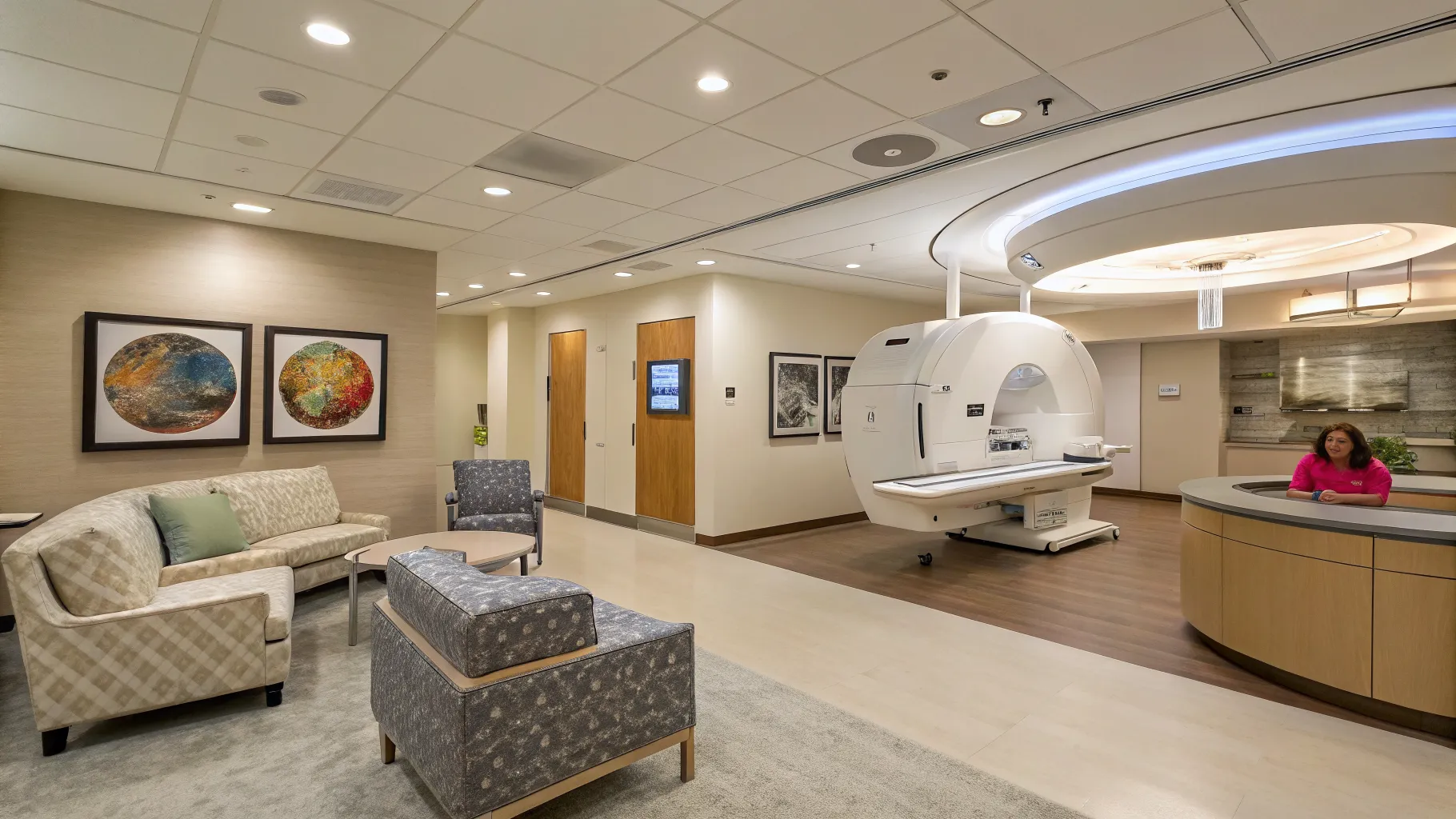
Understanding Specialized Oncology Treatment Options
Modern cancer treatment extends far beyond traditional chemotherapy and radiation. Today's cancer treatment centers in the United States offer a wide array of specialized oncology treatment options, including targeted therapies that attack specific cancer cells without harming healthy tissue, immunotherapies that harness the body's own immune system to fight cancer, and precision medicine approaches tailored to an individual's genetic profile. These innovative treatments are often developed and perfected at leading cancer centers, which invest heavily in research and clinical trials to push the boundaries of what's possible in cancer care. Patients benefit from access to these advanced modalities, which can lead to better outcomes and fewer side effects.
Key Factors in Choosing a Cancer Treatment Center
Selecting the ideal cancer care facility requires careful consideration of several crucial elements. Firstly, evaluate the center's specialization; some centers excel in particular cancer types, such as breast cancer, lung cancer, or pediatric oncology. Secondly, consider the multidisciplinary approach – the best centers offer integrated care from a team of specialists including oncologists, surgeons, radiation therapists, pathologists, and radiologists, all collaborating on a personalized treatment plan. Access to cutting-edge technology and participation in clinical trials are also strong indicators of a high-quality center. Finally, geographic location, insurance coverage, and the availability of supportive care services like psychological counseling, nutrition, and rehabilitation play a significant role in a patient's overall experience and adherence to treatment. Exploring these aspects thoroughly will help identify the most suitable of the specialized cancer clinics.
The Role of Research and Clinical Trials in Leading Cancer Centers
Many leading cancer centers are integral to the advancement of cancer research, actively conducting clinical trials that test new therapies, diagnostic methods, and prevention strategies. Participation in a clinical trial can offer patients access to treatments not yet available to the general public, often at the forefront of medical innovation. These trials are rigorously regulated to ensure patient safety and ethical conduct, representing a vital pathway for improved oncology treatment options. Patients should discuss with their care team whether a clinical trial is a suitable option for their specific condition, considering the potential benefits and risks. The research environment fostered in these centers directly contributes to their reputation as top-tier cancer care facilities.
Comprehensive Support and Patient Navigation Services
Beyond medical treatments, cancer treatment centers in the United States increasingly recognize the importance of holistic patient support. Many facilities offer robust patient navigation services, providing guidance through the complex healthcare system, from initial diagnosis to post-treatment follow-up. These navigators help coordinate appointments, explain treatment plans, assist with insurance issues, and connect patients with financial aid and support groups. Furthermore, a comprehensive center typically provides a range of supportive care services, including pain management, palliative care, nutritional counseling, physical therapy, and psychological support for both patients and their families. This integrated approach ensures that patients receive not only excellent medical care but also the emotional and practical support needed to cope with their cancer journey.
Exploring Different Types of Cancer Care Facilities
The landscape of cancer care facilities in the United States is diverse, encompassing various types of institutions each with distinct characteristics. Academic medical centers, often affiliated with universities, are renowned for their research capabilities, access to clinical trials, and training of future medical professionals. These institutions typically house a wide range of subspecialties and advanced technologies. Community cancer centers, while perhaps smaller, provide convenient access to high-quality care closer to home, often with a strong focus on personalized attention and local support networks. Specialty cancer hospitals, on the other hand, are exclusively dedicated to cancer treatment, offering highly concentrated expertise and resources. Each type of center has its unique advantages, and the best choice depends on the specific type of cancer, the patient's preferences, and logistical considerations, making the decision to find a specialized cancer clinic a deeply personal one.
Practical Steps for Selecting a Cancer Treatment Center
- Consult Your Primary Care Physician: Begin by discussing your diagnosis with your family doctor, who can provide initial guidance and referrals to appropriate specialists and cancer care facilities.
- Seek Multiple Opinions: It's often beneficial to get second or even third opinions from different oncologists or institutions. This can provide diverse perspectives on your diagnosis and potential oncology treatment options.
- Research Accreditations and Designations: Look for centers accredited by reputable organizations or those designated by the National Cancer Institute (NCI), which indicates a high standard of comprehensive care and research.
- Consider the Multidisciplinary Team: Evaluate if the center offers a collaborative team approach, ensuring all aspects of your care are coordinated by various specialists. This is a hallmark of leading cancer centers.
- Assess Support Services: Beyond medical treatment, inquire about the availability of supportive services like psychosocial support, nutrition counseling, rehabilitation, and patient navigation services to aid your overall well-being.
- Review Logistics and Insurance: Confirm that the center accepts your insurance and consider the practicalities of travel, accommodation, and appointment scheduling, especially if it's a distant specialized cancer clinic.
- Ask About Clinical Trials: Discuss whether participating in a clinical trial is an option for your specific cancer type and stage, offering access to innovative, cutting-edge therapies.
Frequently Asked Questions
What defines a leading cancer center in the US?
Leading cancer centers are typically defined by their multidisciplinary approach, advanced technology, active participation in clinical trials, and comprehensive support services. Many are affiliated with academic medical institutions or are designated by the National Cancer Institute (NCI) for their excellence in research and patient care. They offer specialized expertise in various cancer types and innovative oncology treatment options.
How important are patient navigation services?
Patient navigation services are extremely important as they help individuals and families navigate the often complex and overwhelming cancer care system. Navigators provide guidance, resources, and support, helping to coordinate care, explain diagnoses and treatments, and connect patients to financial, emotional, and practical support, thereby improving the overall patient experience and adherence to treatment plans at cancer treatment centers in the United States.
Can I receive treatment at a specialized cancer clinic if I live far away?
Yes, many specialized cancer clinics and leading cancer centers cater to national and international patients. They often have dedicated teams to assist with travel, accommodation, and scheduling. However, it's important to consider the logistical challenges and ensure you have a support system in place, and that follow-up care can be coordinated locally if necessary.
References
- National Cancer Institute
- American Cancer Society
- Journal of Clinical Oncology
- Oncology Nursing Society
- Various Academic Medical Center Publications
Authored by MyTrendSpot team