Signs of Carbon Monoxide Poisoning at Home: A Guide to Recognizing Risks and Seeking Medical Help
Key facts
- Carbon monoxide is an odorless and colorless gas produced by incomplete combustion in appliances like furnaces, gas stoves, and generators 1 2.
- Common symptoms of poisoning include headaches, dizziness, weakness, nausea, and confusion, often mistakenly attributed to flu-like illnesses 1 3.
- If carbon monoxide poisoning is suspected, immediate action involves moving to fresh air, turning off combustion appliances, and seeking emergency medical attention 2 3.
- Treatment for severe exposure may include high-flow normobaric oxygen or hyperbaric oxygen therapy to facilitate recovery and reduce long-term neurological risks 4 5.
Carbon monoxide (CO) is a highly toxic gas that presents a significant health risk in residential environments due to its lack of color, taste, and odor 1 2. Often referred to as a silent threat, this gas is a byproduct of the incomplete combustion of fuels such as gas, oil, coal, and wood 2 6. Because it is undetectable by human senses, households must remain vigilant regarding the maintenance of fuel-burning appliances and recognize the physiological indicators of potential exposure.
Recognizing Symptoms and Physiological Impact
When inhaled, carbon monoxide enters the bloodstream and binds to hemoglobin, the molecule responsible for transporting oxygen throughout the body 6. Because CO binds to hemoglobin more effectively than oxygen, the blood loses its capacity to deliver life-sustaining oxygen to vital organs, specifically the heart and brain 6 7. This process can lead to rapid cellular damage and systemic hypoxia 6.
The symptoms of carbon monoxide poisoning are frequently described as flu-like, which can delay recognition 1 8. Common indicators include persistent headaches, dizziness, fatigue, nausea, vomiting, confusion, and muscle pain 1 2. In more severe cases, individuals may experience shortness of breath, loss of vision, or unconsciousness 2. It is important to note that these symptoms may fluctuate; they might worsen while in a specific room or building and appear to improve after moving to an outdoor area 2.
Common Household Sources
Any appliance that burns fuel has the potential to produce carbon monoxide if it is faulty, poorly maintained, or improperly installed 2. Common residential sources include gas boilers, water heaters, and cookers 2 6. Additionally, the use of wood, coal, or gas fires can pose a risk if ventilation is inadequate 2. Beyond heating and cooking appliances, portable generators and vehicles or lawn mowers operated in enclosed spaces like garages are frequent contributors to indoor CO buildup 2 6.
Public health authorities emphasize that fuel-burning equipment should be professionally inspected on a regular basis to ensure safe operation 3. Because high concentrations can lead to death within minutes, the presence of these appliances necessitates strict adherence to safety guidelines, such as ensuring proper venting to the outside and never using outdoor equipment like charcoal grills inside the home 2 3.
Immediate Actions in Case of Suspected Exposure
If there is any suspicion of carbon monoxide poisoning, immediate intervention is essential 8. The first priority is to cease using any suspected combustion appliances and move to an area with fresh air as quickly as possible 2 3. Opening doors and windows can help ventilate the area, but the priority remains leaving the building immediately 3.
Professional medical assessment is required following any suspected exposure, regardless of whether symptoms appear mild 2 8. Individuals should contact emergency services or proceed to the nearest emergency department for evaluation 2 8. It is strictly advised not to re-enter an affected building until a qualified professional has deemed the environment safe 2.
Medical Treatment and Interventions
Medical management for carbon monoxide poisoning focuses on restoring oxygenation to tissues and minimizing long-term health consequences 7. In an emergency setting, the standard initial treatment is the administration of 100% normobaric oxygen, typically delivered via a high-flow mask 4. This helps to displace carbon monoxide from hemoglobin and speed up the elimination of the gas from the body 6.
In moderate-to-severe cases, hyperbaric oxygen therapy (HBOT) may be considered by medical teams 4. During HBOT, the patient is placed in a pressurized chamber where they breathe high-pressure oxygen, which can significantly enhance oxygen delivery to ischemic tissues and reduce the risk of delayed neuropsychiatric sequelae, which are persistent cognitive or neurological symptoms that may manifest days after initial exposure 9 10 7.
Preventative Measures and Detection
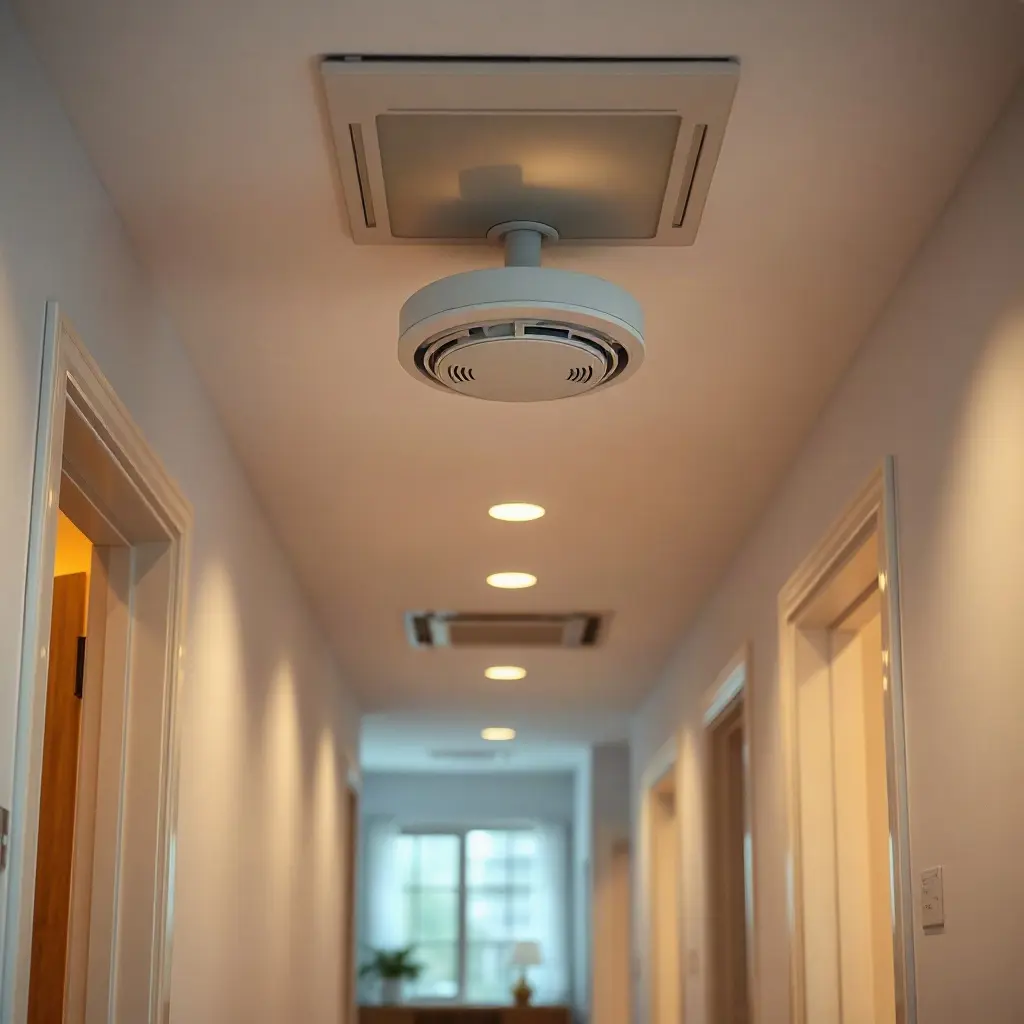
The most effective method for detecting the presence of carbon monoxide in a home is the installation of dedicated carbon monoxide detectors 8. These devices should be placed near every sleeping area and maintained according to the manufacturer's instructions 1. Checking batteries regularly is a fundamental step in ensuring these alarms remain functional 1.
While detectors provide a critical safety layer, they do not replace the need for regular maintenance of fuel-burning appliances 3. Homeowners and residents are encouraged to work with certified technicians to inspect heating systems and ensure exhaust vents are clear and functioning correctly, thereby mitigating the risk of hazardous gas buildup before it reaches dangerous levels 3.
Sources
- Carbon Monoxide Poisoning Basics | Carbon Monoxide Poisoning | CDC: https://www.cdc.gov/carbon-monoxide/about/?CDC_AAref_Val=https%3A%2F%2Fwww.cdc.gov%2Fco%2Fdefault.htm
- Carbon monoxide poisoning: https://www.nhs.uk/conditions/carbon-monoxide-poisoning/
- Protect Your Family and Yourself from Carbon Monoxide ...: https://www.epa.gov/indoor-air-quality-iaq/protect-your-family-and-yourself-carbon-monoxide-poisoning
- Management of acute intoxication with carbon monoxide – Polish Medical Society, Section of Clinical Toxicology position statement: https://doi.org/10.13075/ijomeh.1896.02653
- Optimizing hyperbaric oxygen initiation time in carbon monoxide poisoning: a 3-hour window enhances neurological recovery via lactate clearance - PubMed: https://pubmed.ncbi.nlm.nih.gov/41726145/
- Carbon Monoxide Poisoning - Harvard Health: https://www.health.harvard.edu/respiratory-health/carbon-monoxide-poisoning-a-to-z
- Hyperbaric Treatment of Carbon Monoxide Toxicity - NCBI - NIH: https://www.ncbi.nlm.nih.gov/books/NBK470531/
- Know the Sources and Symptoms of Carbon Monoxide | NH Division of Fire Safety: https://www.firemarshal.dos.nh.gov/news-and-media/know-sources-and-symptoms-carbon-monoxide
- Evaluating the Efficacy of Hyperbaric Oxygen Therapy for Acute Carbon Monoxide Poisoning: A Systematic Review and Meta‐Analysis: https://doi.org/10.1002/ams2.70114
- The effects of hyperbaric oxygen dosing on the delayed neuropsychiatric sequalae of carbon monoxide poisoning: https://pubmed.ncbi.nlm.nih.gov/42148903/
Authored by MyTrendSpot team