Is Pneumonia Contagious? How It Spreads: A Clinical Overview of Transmission and Care
Key facts
- Pneumonia is an inflammation or infection of the lungs that can be caused by various germs, including bacteria, viruses, and fungi 1 2.
- Contagiousness depends on the specific cause of the pneumonia rather than the condition itself, with some infectious forms spreading through respiratory droplets 3 4.
- Medical evaluation is required to determine the cause of pneumonia and the appropriate setting for treatment, which may include outpatient care or hospitalization 1 5.
- Average U.S. hospital production costs for an inpatient stay were approximately $16,667 in 2026, though actual patient expenses vary widely based on insurance coverage 6 7.
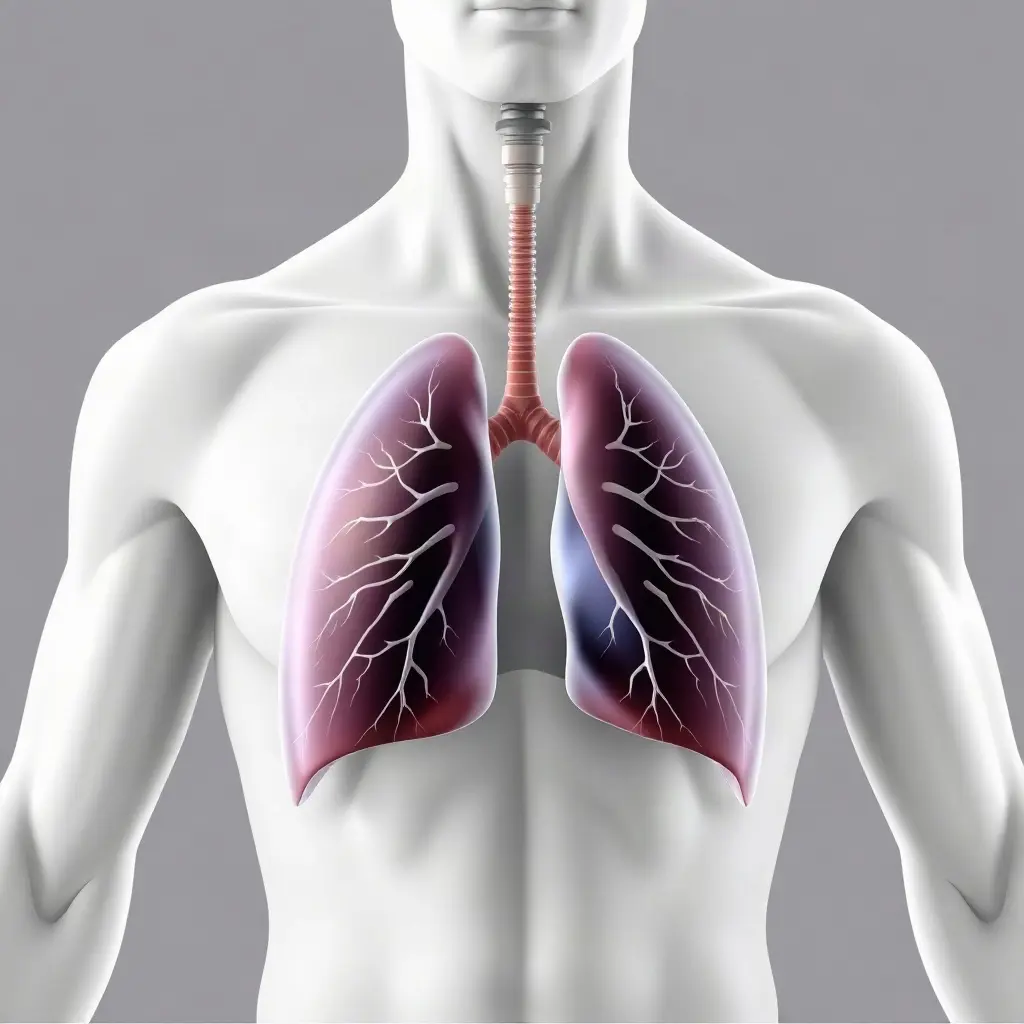
Pneumonia is defined as an infection or inflammation of the lungs that affects the air sacs and surrounding tissues 1. Because the condition can be triggered by a wide range of biological agents-including viruses, bacteria, and fungi-it is not universally contagious. Whether pneumonia can spread from one person to another depends entirely on the specific germ responsible for the infection. Determining the cause of a lung infection requires a professional clinical assessment, as different types of pneumonia demand distinct management strategies and levels of care 1 5.
Understanding Contagiousness and Transmission
Pneumonia itself is not a single disease entity; it is a clinical diagnosis for lung inflammation. Consequently, a person cannot catch "pneumonia" as a whole, but they can be exposed to the germs that lead to the condition. Many community-acquired pneumonia cases are caused by bacteria, such as Streptococcus pneumoniae, or viruses, such as those that cause respiratory tract infections 1 8. These infectious agents often spread via respiratory droplets expelled when an infected person coughs or sneezes. When others breathe in these contaminated particles, they may become infected, though the result does not always manifest as pneumonia 3 9.
Not all forms of pneumonia are transmitted between people. Some cases arise from aspiration, where food, liquid, or oral secretions are accidentally inhaled into the lungs, causing an inflammatory response. Other forms may be linked to environmental exposures, such as inhaling certain fungi or bacteria found in specific settings. In these instances, the condition is typically not considered contagious to close contacts. Hygiene practices, such as frequent handwashing and covering coughs, remain recommended protocols for reducing the spread of the various respiratory pathogens that can potentially lead to lung infections 3 8.
When to Seek Professional Medical Care
Because symptoms of pneumonia-such as cough, fever, shortness of breath, chest pain, and confusion-can mimic other respiratory conditions, clinical diagnosis is essential 1 9. A healthcare professional may evaluate the severity of the infection through a physical examination, measurement of blood oxygen levels, imaging tests like a chest X-ray, or laboratory analysis 5. Individuals with underlying health conditions, such as chronic heart or lung disease, diabetes, or weakened immune systems, are at an increased risk of severe illness and should consult a clinician promptly if symptoms arise 4 8.
Settings and Approaches to Treatment
The treatment setting for pneumonia depends on the patient's clinical stability, age, and existing health conditions. Outpatient management is common for mild cases, while more severe presentations often necessitate admission to a hospital 5. Within a hospital, care teams may provide oxygen therapy, intravenous fluids, and targeted medication depending on the identified cause. For instance, bacterial pneumonia is typically treated with antibiotics, whereas viral pneumonia requires different management strategies, as antibiotics are ineffective against viral pathogens 1 5.
Financial Considerations for Healthcare
In the United States, the financial aspects of treating pneumonia are heavily influenced by the setting of care and the patient's specific health insurance coverage. According to 2026 data, the average inpatient hospital stay involves production costs of approximately $16,667, with daily costs often ranging between $3,000 and $3,300 depending on the facility and the level of intensive care required 6 7. These figures represent the cost of care to the institution rather than the final amount a patient pays, as insurance structures, deductibles, and co-payments determine out-of-pocket expenses 10 11.
Patients are often encouraged to confirm their admission status and discuss billing with their healthcare providers. Because hospitals vary in their billing and pricing structures, understanding the distinction between chargemaster rates and negotiated insurance rates is a factor for those navigating medical costs. Patients with limited resources may inquire about financial assistance programs that many nonprofit hospitals are required to maintain for those who meet specific eligibility criteria 6 10.
Risk Factors and Preventive Measures
Age is a significant risk factor for pneumonia, particularly for children younger than five and adults aged 65 and older 4 8. Other variables include lifestyle choices, such as smoking or excessive alcohol consumption, and the presence of chronic medical conditions. While there are no vaccines for every cause of pneumonia, staying current with recommended vaccinations-such as those for influenza or pneumococcal disease-is a standard strategy mentioned by health authorities to lower the risk of developing certain forms of the illness 2 4.
Sources
- About Pneumonia | Pneumonia | CDC: https://www.cdc.gov/pneumonia/about/
- Pneumonia: https://www.cdc.gov/pneumonia/index.html
- Mycoplasma pneumoniae Infection: Causes and How It Spreads | M. pneumoniae | CDC: https://www.cdc.gov/mycoplasma/causes/index.html
- Risk Factors for Pneumonia | Pneumonia | CDC: https://www.cdc.gov/pneumonia/risk-factors/
- Summary for clinicians: clinical practice guideline for the diagnosis and management of community-acquired pneumonia | Annals of the American Thoracic Society | Oxford Academic: https://academic.oup.com/annalsats/article/23/7/1001/8554088
- The True Cost of a Hospital Stay: 2026 Statistical Reference | CoveredUSA Blog: https://coveredusa.org/en/blog/average-cost-of-hospital-stay
- How Much Does Staying In A Hospital Cost? (2026 North ...: https://www.sondercare.com/learn/home-hospital/how-much-staying-in-hospital-cost/
- Pneumococcal Disease: Causes and How It Spreads | Pneumococcal | CDC: https://www.cdc.gov/pneumococcal/causes/index.html
- Pneumonia in children: What you need to know: https://www.unicef.org/stories/childhood-pneumonia-explained
- Hospital Stay Cost by Diagnosis 2026: How Much for Each Condition and Day - Real Cost Report: https://www.realcostreport.com/healthcare/medical-costs/hospital-stay-cost/
- How Much Does a Hospital Stay Cost?: https://www.peoplekeep.com/blog/infographic-how-much-does-a-hospital-stay-cost
Authored by MyTrendSpot team