How Prostate Massage Helps Prostate Health: A Comprehensive Guide
Facts:
- Prostate massage can help release trapped prostatic fluid.
- Interest in prostate massage for wellness is trending for men seeking holistic prostate health solutions.
Understanding the Therapeutic Mechanism of Prostate Massage for Enhanced Well-being
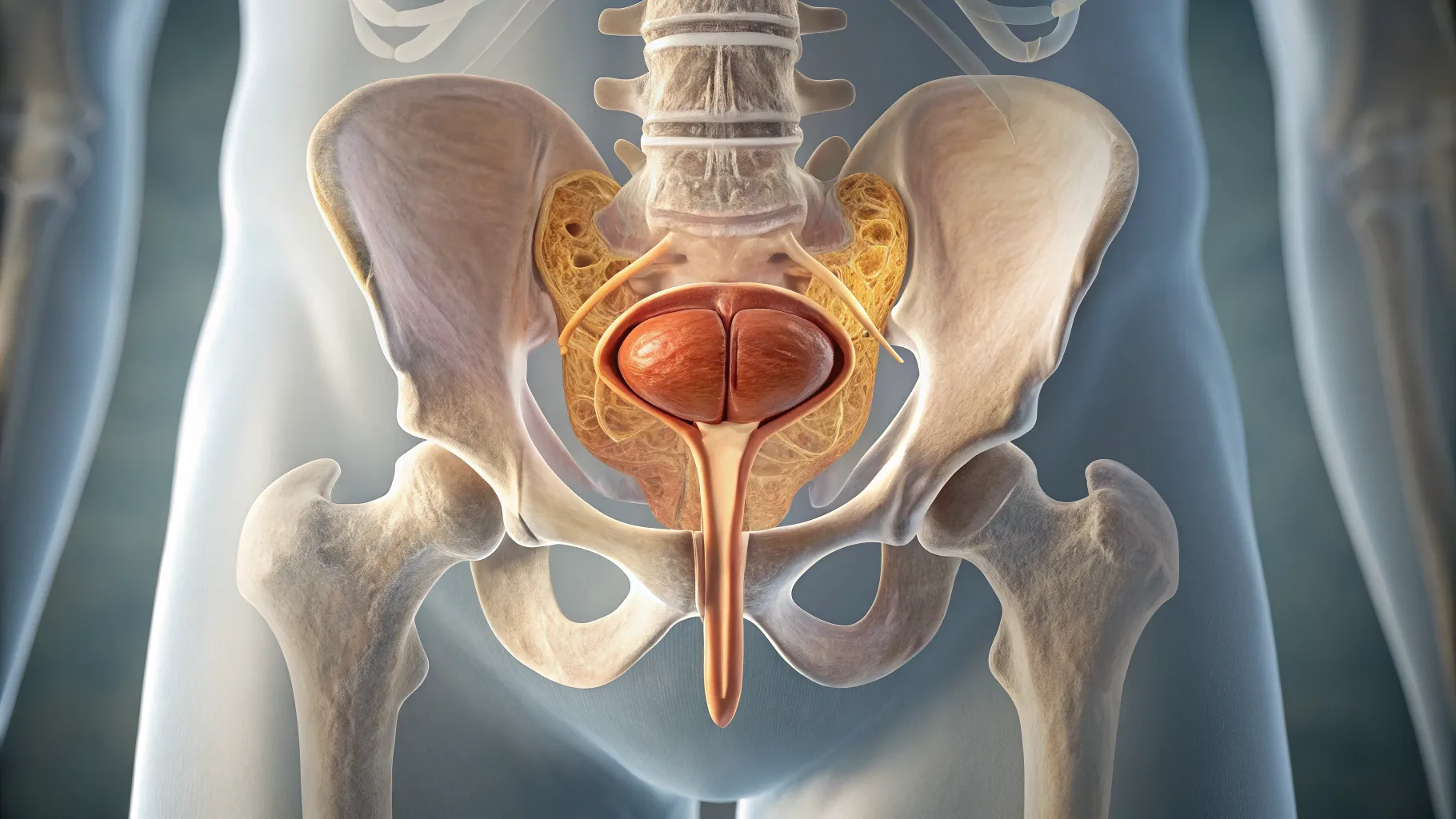
Prostate massage has been explored as a complementary therapy for men's prostate health for centuries, with its origins tracing back to traditional medical practices. This technique involves gently massaging the prostate gland, a small, walnut-sized organ located beneath the bladder and in front of the rectum, through the rectal wall. The primary aim is to stimulate the gland, facilitate the drainage of accumulated fluids, and potentially improve blood circulation within the area. Many men report a sense of relief and improved comfort following a proper prostate massage, especially those experiencing certain types of chronic pelvic discomfort or congestion. Understanding the anatomical and physiological rationale behind this practice is crucial for appreciating its potential benefits.
Key Benefits of Prostate Massage for Optimal Prostate Health
The benefits associated with prostate massage are multifaceted and primarily revolve around enhancing the physiological function of the prostate gland. One of the most frequently cited advantages is the improvement of blood flow to the prostatic tissue. Enhanced circulation delivers more oxygen and nutrients to the cells while aiding in the removal of metabolic waste products, which can contribute to overall tissue vitality and reduce inflammation. Furthermore, for men suffering from specific conditions, the direct mechanical action of the massage can be particularly therapeutic, helping to clear blockages and alleviate discomfort. This practice is often considered as part of a broader approach to maintaining urological wellness.
Alleviating Chronic Prostatitis Symptoms and Pelvic Pain
For individuals diagnosed with chronic prostatitis, also known as chronic pelvic pain syndrome (CPPS), prostate massage can offer significant symptomatic relief. This condition is characterized by persistent pelvic pain and discomfort without evidence of bacterial infection. The theory is that the massage helps to unblock the small ducts within the prostate that can become congested with prostatic fluid, dead cells, and calcifications. This drainage can reduce pressure and inflammation within the gland, thereby lessening the associated pain, discomfort, and urinary symptoms. Many urologists and physical therapists may recommend it as part of a comprehensive treatment plan for recalcitrant cases of non-bacterial prostatitis, often alongside other therapies such as lifestyle modifications, medication, and targeted exercises for the pelvic floor muscles.
Promoting Fluid Drainage and Circulation within the Prostate Gland
The prostate gland produces seminal fluid, which is released during ejaculation. Sometimes, these fluids can become stagnant or partially blocked in the ejaculatory ducts or within the prostate itself, leading to discomfort or an increased risk of infection. Prostate massage can effectively facilitate the expression of these accumulated fluids, thereby de-congesting the gland. This mechanical drainage not only relieves pressure but also potentially flushes out inflammatory byproducts and reduces the likelihood of bacterial growth in static fluid. Regular drainage can contribute to a healthier microenvironment within the prostate, preventing potential issues before they escalate into more severe conditions. This is a fundamental aspect of how the massage contributes to improved prostate health.
Potential Role in Managing Benign Prostatic Hyperplasia (BPH) Symptoms
While prostate massage is not a cure for benign prostatic hyperplasia (BPH), which is the non-cancerous enlargement of the prostate, it may help in managing some of its symptoms. The congestion relief and improved circulation offered by massage could potentially alleviate certain urinary symptoms associated with BPH, such as frequency, urgency, and weak stream, especially if these symptoms are exacerbated by prostatic congestion rather than solely by the physical enlargement. However, it is crucial to consult a healthcare professional for a proper diagnosis and treatment plan for BPH, as massage should be considered a supplementary measure rather than a primary treatment for the enlargement itself. Understanding the limits and potential benefits within the context of BPH is vital for informed decision-making.
Techniques and Safety Considerations for Effective Prostate Massage
Performing prostate massage correctly and safely is paramount to achieving its potential benefits without causing harm. There are generally two approaches: professional massage performed by a trained healthcare provider (such as a urologist, physical therapist, or specialized massage therapist) or self-massage, which requires careful instruction and understanding of the anatomy. Professional guidance is highly recommended, especially for initial sessions, to learn proper technique, pressure, and frequency. Regardless of who performs it, hygiene is critical to prevent infection, and lubricants should always be used to ensure comfort and minimize irritation. Communication with a healthcare provider about any underlying conditions or discomfort experienced during or after the massage is essential for safety and effectiveness.
Professional vs. Self-Massage: Choosing the Right Approach
The choice between professional and self-prostate massage depends on several factors, including comfort level, experience, and the specific reason for seeking the massage. A professional therapist possesses anatomical knowledge and experience to locate the prostate gland precisely and apply appropriate pressure, ensuring safety and maximizing therapeutic effect. They can also provide feedback and guidance tailored to individual needs. Self-massage, while offering privacy and convenience, requires a good understanding of one's own anatomy and careful execution to avoid injury. Resources like instructional videos and diagrams can assist, but beginners should proceed with caution and ideally seek initial instruction. Both methods aim to stimulate the prostate, but the expertise and objective perspective of a professional can be invaluable, especially when addressing specific prostate health concerns or persistent pelvic pain.
Important Precautions and When to Avoid Prostate Massage
- Acute Prostatitis: If you are experiencing acute bacterial prostatitis, characterized by severe pain, fever, chills, and infection, prostate massage is strictly contraindicated. It could potentially spread the infection to other parts of the body or worsen the inflammation.
- Prostate Cancer: Individuals with confirmed or suspected prostate cancer should avoid prostate massage, as there is a theoretical risk of spreading cancerous cells, although this is not definitively proven. Always consult an oncologist.
- Recent Prostate Surgery or Biopsy: Allow adequate time for healing after any surgical procedure on the prostate or a prostate biopsy to prevent irritation, bleeding, or complications.
- Hemorrhoids or Anal Fissures: If you have active hemorrhoids, anal fissures, or other rectal conditions, prostate massage could cause significant discomfort, pain, or exacerbate these conditions.
- Severe Pain or Discomfort: Any persistent severe pain or discomfort during or after the massage indicates that the procedure should be stopped immediately, and medical advice should be sought.
- Bleeding: If any bleeding occurs, cease the massage and consult a healthcare professional without delay.
- Hygiene: Always ensure strict hygiene practices, including clean hands and appropriate lubrication, to minimize the risk of introducing bacteria.
Integrating Prostate Massage into a Holistic Health Plan
For men seeking comprehensive prostate health, incorporating prostate massage should be viewed as one component within a broader holistic strategy. This includes a balanced diet rich in antioxidants, regular physical activity that strengthens pelvic floor muscles, adequate hydration, stress management techniques, and routine medical check-ups. Lifestyle choices significantly impact prostate well-being, influencing everything from inflammation levels to hormonal balance. By combining the benefits of targeted prostate stimulation with a healthy lifestyle, men can create a synergistic approach to maintaining optimal function of the prostate gland and supporting overall vitality. Always discuss any new health regimen, including prostate massage, with your healthcare provider to ensure it aligns with your individual health needs and conditions.
Misconceptions and Realities of Prostate Massage
Several misconceptions surround prostate massage, often leading to hesitations or misunderstandings about its true purpose and benefits. It is crucial to distinguish between fact and fiction. One common misconception is that it is solely a sexual activity; while it can provide pleasure, its primary therapeutic application focuses on promoting prostate health and alleviating medical symptoms. Another myth is that it cures serious conditions like prostate cancer or definitively shrinks an enlarged prostate gland (BPH); in reality, its role is often supportive and symptomatic relief-oriented rather than curative for these conditions. The reality is that, when performed correctly and for appropriate indications, prostate massage is a legitimate intervention for managing prostatic congestion, certain types of pelvic pain, and improving the drainage of seminal fluid, thereby contributing to overall male urological wellness and improved quality of life.
Frequently Asked Questions
Does prostate massage help with erectile dysfunction?
While prostate massage is not a primary treatment for erectile dysfunction (ED), improving blood circulation and reducing prostatic congestion can indirectly contribute to better sexual function. Some men report enhanced sexual sensation or better erections, potentially due to improved nerve function and blood flow in the pelvic region. However, if ED is a concern, a comprehensive medical evaluation is necessary to determine the underlying cause and appropriate treatment.
How often should prostate massage be performed for health benefits?
The optimal frequency for prostate massage varies depending on individual needs and the specific condition being addressed. For symptomatic relief of conditions like chronic prostatitis, some practitioners may recommend 1-2 sessions per week initially, gradually reducing as symptoms improve. For general wellness or fluid drainage, less frequent sessions might suffice. Always follow the advice of your healthcare provider, as excessive or incorrect massage can be counterproductive or harmful to the prostate gland.
Is prostate massage painful?
When performed correctly with adequate lubrication and appropriate pressure, prostate massage should not be overtly painful. Some individuals may experience a sensation of pressure or mild discomfort, especially if there is significant congestion in the prostate gland. However, sharp pain or intense discomfort is a sign that the procedure should be stopped, and a medical professional should be consulted. Communication with the person performing the massage is key to ensure comfort.
References
- The role of prostate massage in chronic prostatitis/chronic pelvic pain syndrome management.
- Physiological effects of prostate stimulation on male pelvic floor muscles.
- Mechanisms of seminal fluid drainage through prostate massage.
- Clinical applications of prostate massage for prostatic congestion.
- Impact of prostate massage on blood flow and microcirculation in the prostate gland.
Authored by MyTrendSpot team