How Testosterone Booster Brands Are Evaluated: A Guide to Brand Credibility
Fast Facts:
- The global market for testosterone boosters is rapidly expanding.
- Regulatory oversight for supplements varies significantly by region for product safety standards.
Decoding the Rigorous Process of Testosterone Booster Evaluation
Navigating the crowded market of testosterone boosters can be challenging for consumers seeking effective and safe options. Understanding how testosterone booster brands are evaluated is crucial for making informed decisions. This comprehensive guide will delve into the multifaceted criteria used to assess brand credibility and product quality, ensuring consumers can identify reputable manufacturers and products that truly deliver on their promises. From ingredient analysis to manufacturing protocols, every step contributes to a thorough testosterone booster evaluation, helping users distinguish between high-quality supplements and ineffective offerings.
Key Criteria for Assessing Ingredient Efficacy and Formulation
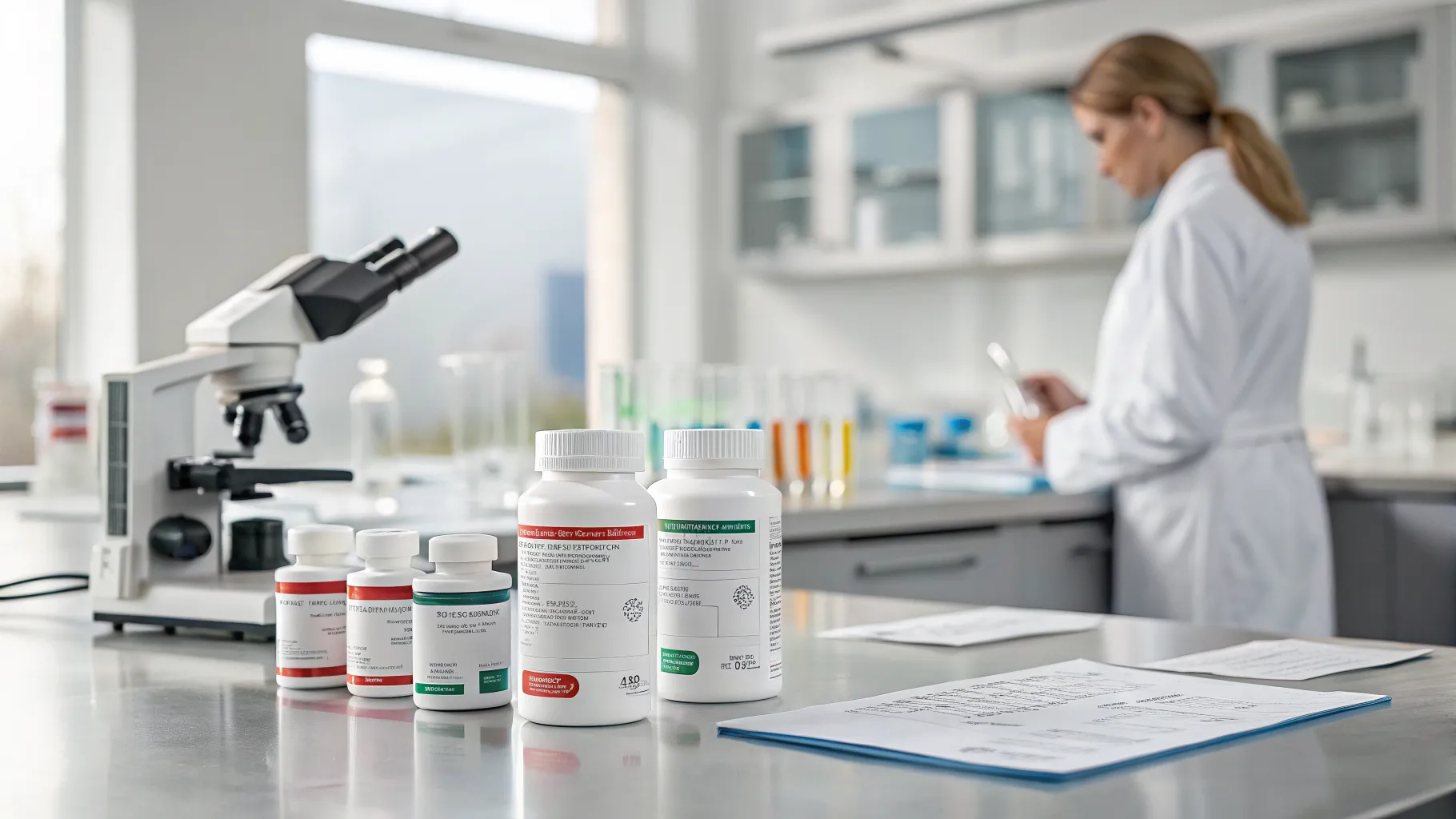
The foundation of any effective testosterone booster lies in its ingredients and their precise formulation. A thorough testosterone booster evaluation begins with scrutinizing the active compounds listed on the label. Experts assess whether the ingredients, such as D-Aspartic Acid, Fenugreek, Zinc, Magnesium, and Vitamin D, are backed by scientific research for their ability to influence testosterone levels or related hormonal pathways. Furthermore, the dosages of these ingredients are critically important. Many brands include proprietary blends that obscure exact amounts, making it difficult to verify ingredient efficacy. Reputable brands, in contrast, provide transparent labeling with clinically relevant dosages, allowing consumers and evaluators to ascertain the potential effectiveness of the product. The synergistic effect of combined ingredients is also considered, as certain compounds work better in concert to support natural testosterone production.
The Importance of Product Safety Standards and Quality Control
Beyond efficacy, the safety profile of a testosterone booster is paramount. Product safety standards are a critical component of how testosterone booster brands are evaluated. This involves examining the brand's manufacturing practices, including adherence to Good Manufacturing Practices (GMP) enforced by regulatory bodies. GMP certification ensures that products are consistently produced and controlled according to quality standards. Evaluators also look for evidence of third-party testing for contaminants like heavy metals, pesticides, and microbial impurities, which can compromise consumer health. The absence of harmful fillers, artificial additives, and undisclosed allergens is another key aspect. A brand's commitment to stringent quality control measures from raw material sourcing to final product packaging significantly boosts its overall trustworthiness and reflects a dedication to consumer well-being, directly impacting the perception of its brand credibility.
Evaluating Brand Credibility and Reputation
Brand credibility is an intangible yet incredibly important factor in the evaluation process of testosterone booster brands. This involves assessing the company's history, its commitment to scientific integrity, and its overall transparency. A brand that invests in clinical trials for its specific formulations, rather than just relying on studies of individual ingredients, demonstrates a higher level of commitment to validating its products. Longevity in the market and a consistent track record of positive customer experiences also contribute to a strong reputation. Furthermore, how a brand handles customer inquiries, complaints, and product recalls speaks volumes about its ethical standards and dedication to consumer satisfaction. Brands that engage with the scientific community and offer accessible, evidence-based information often score higher in terms of trust and reliability during a comprehensive testosterone booster evaluation.
Analyzing Consumer Reviews and Transparency
While often subjective, consumer reviews and transparency play a significant role in understanding the real-world performance and user experience of testosterone boosters. Evaluators analyze aggregated customer feedback across various platforms, looking for consistent themes regarding effectiveness, side effects, and overall satisfaction. It is crucial to differentiate genuine reviews from potentially fabricated ones, often by considering reviews from verified purchasers and diverse sources. A brand's transparency is also key here; reputable companies welcome feedback, respond to concerns, and clearly disclose potential side effects or contraindications. Brands that are open about their ingredient sourcing, manufacturing processes, and third-party testing results demonstrate a higher level of integrity. The willingness to engage with consumers and provide clear, honest information significantly impacts a brand's standing in any testosterone booster evaluation.
Regulatory Compliance and Certifications in the Testosterone Booster Evaluation Process
Regulatory compliance forms a fundamental pillar of how testosterone booster brands are evaluated, particularly in markets with established supplement regulations. Adherence to national and international standards, such as those set by the FDA in the US or EFSA in Europe, indicates a brand's commitment to legal and safety requirements. Certifications from independent bodies, such as NSF International, Informed-Sport, or USP (United States Pharmacopeia), further validate a product's purity, potency, and freedom from banned substances. These certifications are especially crucial for athletes or individuals subject to drug testing, providing an extra layer of assurance regarding product safety standards. Brands that actively seek and maintain these certifications demonstrate a proactive approach to quality assurance and reinforce their brand credibility within the competitive supplement industry.
Comparing Leading Testosterone Booster Brands: A Deep Dive
When conducting a direct comparison of leading testosterone booster brands, several factors come into sharp focus. We often see differences in their approach to ingredient efficacy. Some brands lean heavily on common, well-researched ingredients like zinc and magnesium, while others incorporate more exotic herbal extracts. The transparency in disclosing dosages, especially within proprietary blends, becomes a major differentiator. Brands with fully disclosed ingredient profiles tend to inspire more confidence in their formulations. Furthermore, the presence or absence of third-party testing for purity and potency is a critical comparison point affecting product safety standards. Brands that openly share Certificates of Analysis (CoAs) for each batch build stronger brand credibility. Packaging, customer support, and return policies also indirectly influence the overall perception and value offered by competing brands during a comprehensive testosterone booster evaluation.
Practical Steps for Identifying Reputable Testosterone Booster Brands
Scrutinize Ingredient Lists:
Look for brands that clearly list all ingredients and their exact dosages, avoiding proprietary blends that hide information. Verify that the ingredients have scientific backing for ingredient efficacy.Check for Third-Party Testing:
Prioritize brands that provide evidence of independent laboratory testing for purity, potency, and contaminants, ensuring high product safety standards. Look for certifications like GMP, NSF, or Informed-Sport.Research Brand Credibility and Reputation:
Investigate the company's history, read unbiased expert reviews, and assess their overall transparency. Brands with a long-standing positive reputation are generally more trustworthy.Read Diverse Consumer Reviews and Transparency Reports:
Don't rely on just one source. Look at reviews across multiple platforms to get a balanced view of user experiences regarding effectiveness and potential side effects. Pay attention to how the brand responds to feedback.Consult Healthcare Professionals:
Before starting any new supplement, especially testosterone boosters, consult with a doctor or a registered dietitian to ensure it is appropriate for your individual health profile and does not interact with existing medications.
Frequently Asked Questions
What are the primary factors in testosterone booster evaluation?
The primary factors include analyzing ingredient efficacy and dosage, verifying adherence to product safety standards and manufacturing quality (GMP), assessing brand credibility and reputation through transparency, and reviewing consistent consumer reviews and transparency reports. Regulatory compliance and third-party certifications are also crucial.
How do I verify the ingredient efficacy of a product?
To verify ingredient efficacy, first look for brands that clearly list all active ingredients and their specific dosages. Then, research scientific studies and clinical trials for each ingredient at the disclosed dosage to ensure there is evidence supporting its role in testosterone support. Avoid proprietary blends that conceal ingredient amounts.
Are all testosterone booster brands subject to the same regulations?
No, regulatory oversight for testosterone booster brands varies significantly by country and region. In some areas, they are regulated as dietary supplements, meaning they don't require pre-market approval like pharmaceuticals. This highlights the importance of consumers doing their due diligence on product safety standards and brand credibility.
References
- National Institutes of Health Office of Dietary Supplements.
- Various academic journals on endocrinology and nutritional science.
- Good Manufacturing Practices (GMP) guidelines for dietary supplements.
Authored by MyTrendSpot team