How to Buy a Reliable Ford F-150: Your Ultimate Pre-Owned Truck Inspection Guide
Facts:
- The Ford F-150 has been America's best-selling truck for decades.
- Reliability trends indicate consistent high owner satisfaction for properly maintained pre-owned Ford F-150 models.
Navigating the Market for a Reliable Ford F-150
Embarking on the journey to buy a reliable Ford F-150 requires careful planning and a keen eye. This isn't just any vehicle purchase; it's an investment in a workhorse, a family hauler, or an adventure companion. Understanding the nuances of the market for a used F-150 is paramount, as it can significantly impact the long-term satisfaction and cost of ownership. From identifying reputable sellers to understanding the depreciation curves of different model years, every step contributes to securing a dependable vehicle that meets your expectations and budget. We'll delve into the essential strategies for navigating the vast marketplace, ensuring you make an informed decision when seeking out your next pickup.
Researching the Right Model Year and Trim for Your F-150
One of the most critical steps in any F-150 buying guide is diligent research into specific model years and their associated trims. Not all F-150s are created equal, and certain years or engine configurations may have known quirks or superior reputations for longevity. Begin by identifying the primary use for your truck: will it be for heavy towing, daily commuting, off-road adventures, or a combination? This will dictate the ideal engine, transmission, and drivetrain setup. For instance, some EcoBoost engines offer impressive power and fuel efficiency but require strict maintenance schedules, while naturally aspirated V8s are often praised for their robust reliability. Investigate online forums, consumer reports, and expert reviews to pinpoint any recurring issues or standout features for the model years you're considering. This foresight will arm you with valuable knowledge, helping you narrow down your search and focus on models with a track record of being a reliable Ford F-150.
Thorough Inspection: What to Look For Under the Hood of a Used F-150
A meticulous under-the-hood inspection is non-negotiable when you want to buy a reliable Ford F-150. Start with the engine: look for any signs of leaks, such as oil, coolant, or transmission fluid, around gaskets, hoses, and fittings. Check the oil dipstick for proper level and color; milky or sludgy oil can indicate serious internal problems. Examine the coolant reservoir for contamination or low levels. Pay close attention to belts and hoses for cracks, fraying, or bulging. The battery terminals should be free of corrosion. Listen for unusual noises during startup and idle – rattles, knocks, or hisses can all be red flags. Inspect the transmission fluid; it should be red or pink, clear, and not smell burnt. Don't forget to check brake fluid and power steering fluid levels. A comprehensive visual and auditory truck inspection of the engine bay is crucial for assessing the health of a prospective used F-150.
Exterior and Interior Evaluation for Your Pre-Owned Ford F-150
Beyond the mechanicals, the exterior and interior condition of a pre-owned Ford F-150 can reveal much about its past and how well it was maintained. Walk around the truck, looking for inconsistencies in paint color, dents, scratches, or signs of accident repair. Inspect the frame for rust, especially in regions that use road salt; excessive rust can compromise structural integrity. Check tire tread depth and look for uneven wear, which could signal alignment or suspension issues. Open and close all doors, the tailgate, and the hood to ensure smooth operation. Inside, examine the seats for tears, excessive wear, or stains. Test all electronics, including windows, locks, radio, AC/heat, and dashboard lights. Check for musty odors, which might indicate water leaks or mold. A careful assessment of these areas contributes significantly to ensuring you purchase a truly reliable Ford F-150 that isn't just mechanically sound but also comfortable and presentable.
The Importance of a Test Drive and Professional Assessment
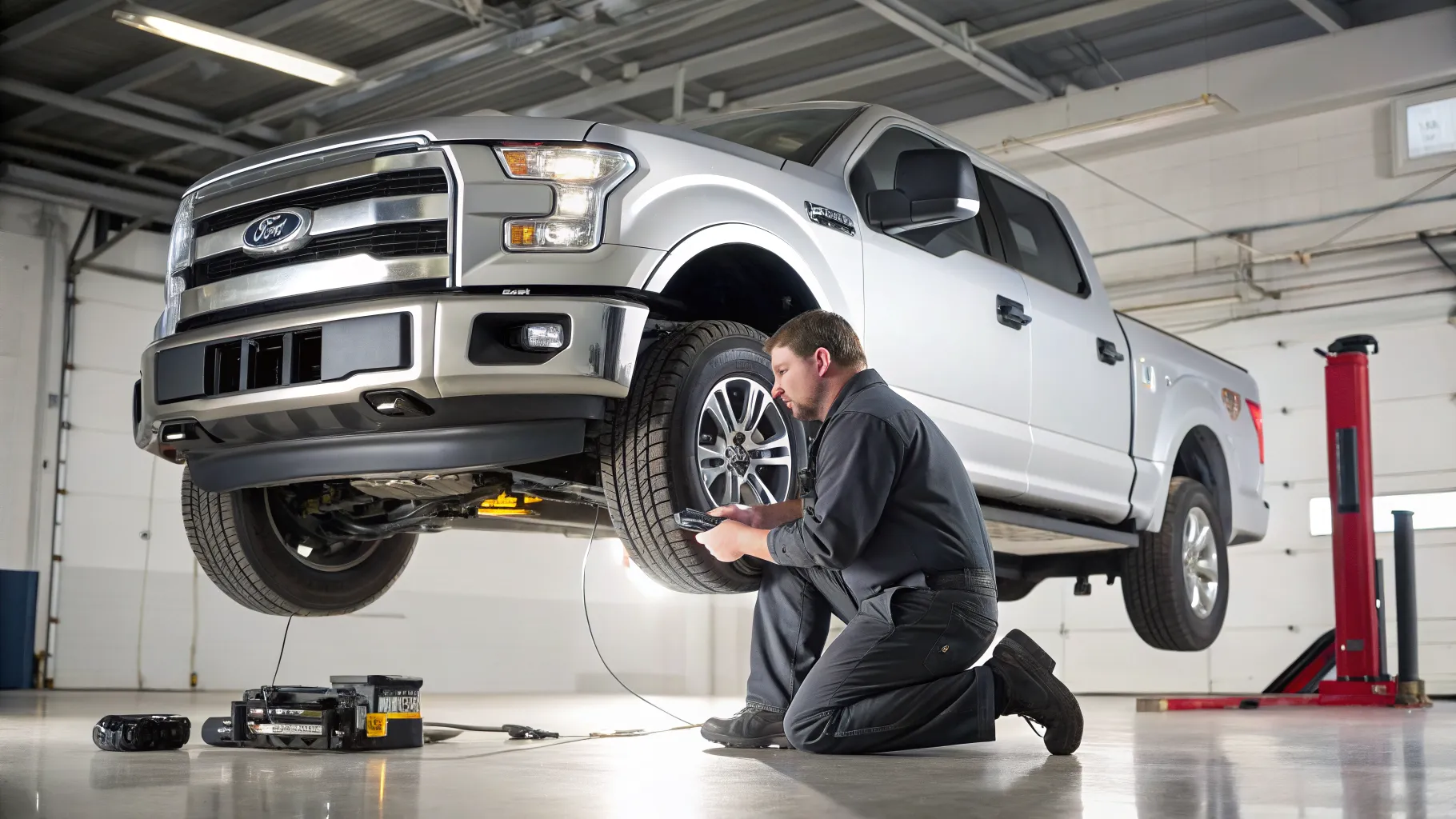
Never skip the test drive when looking to buy a reliable Ford F-150. This is your opportunity to feel how the truck handles on different terrains and at various speeds. Listen for unusual noises from the engine, transmission, brakes, and suspension. Pay attention to how the steering feels; it should be responsive and free of excessive play. Test the brakes thoroughly, ensuring they are firm and don't pull to one side. Engage 4x4 if applicable. After the test drive, a pre-purchase inspection by an independent, certified mechanic is indispensable. Even if you've done your homework with an F-150 buying guide, a professional can identify issues that an untrained eye might miss, such as hidden frame damage, failing components, or impending mechanical failures. This expert truck inspection provides an objective assessment of the vehicle's true condition, giving you peace of mind and potentially saving you from costly repairs down the road, ensuring your investment in a pre-owned Ford F-150 is a sound one.
Understanding Service History and Documentation for a Used F-150
A comprehensive service history and complete documentation are golden tickets when aiming to buy a reliable Ford F-150. Requesting a vehicle history report (like CarFax or AutoCheck) is a basic but essential step, providing insights into accidents, salvage titles, flood damage, and reported mileage. However, the true value lies in detailed service records. These documents show consistent oil changes, routine maintenance, and any significant repairs performed. They can confirm that the previous owner followed recommended service intervals, which is crucial for maintaining the longevity and reliability of a used F-150. Discrepancies in mileage or a lack of service records should raise red flags. A well-documented history indicates a responsible owner and provides tangible evidence of the truck's care, giving you greater confidence in its future performance and helping you make an educated decision when consulting your personal F-150 buying guide.
Essential Steps Before Finalizing Your Ford F-150 Purchase
- Negotiate Based on Inspection: Use any issues found during your personal or professional truck inspection as leverage for price negotiation. Be prepared to walk away if the seller isn't reasonable or transparent.
- Clarify Warranty or As-Is Status: Understand if the pre-owned Ford F-150 comes with any remaining manufacturer's warranty or if it's being sold 'as-is.' An 'as-is' sale means you bear full responsibility for all repairs post-purchase.
- Review the Purchase Agreement: Carefully read all terms and conditions of the sales contract. Ensure all agreed-upon details, such as price, inclusions, and disclosures, are accurately reflected before signing.
- Consider Insurance and Registration: Get insurance quotes before buying to understand the full cost of ownership. Be aware of the steps required for title transfer and vehicle registration in your state.
- Plan for Post-Purchase Maintenance: Even a reliable Ford F-150 will benefit from immediate basic maintenance, such as an oil change, filter replacements, and a check of all fluid levels, to establish your own baseline for future service.
Frequently Asked Questions
What are the most reliable Ford F-150 engine options?
While reliability can vary by model year and maintenance, the 5.0L Coyote V8 engine is often praised for its robust and proven design, offering a balance of power and long-term durability, making it a strong contender when looking for a reliable Ford F-150. The 3.5L EcoBoost V6 is also highly capable but requires more diligent maintenance to sustain its long-term reliability.
How can I verify the mileage of a used F-150?
You can verify the mileage of a used F-150 by checking a vehicle history report (like CarFax or AutoCheck), which compiles mileage reported by service centers and state inspections. Also, compare the odometer reading with service records and the title documentation for consistency.
What are common rust spots on older Ford F-150 models?
Common rust spots on older pre-owned Ford F-150 models often include the rocker panels, wheel wells, bottom of the doors, the tailgate, and especially the frame rails. Thoroughly inspect these areas, particularly if the truck has been in a region with heavy road salt usage.
References
- Ford Motor Company Official Specifications
- Consumer Reports Vehicle Reliability Studies
- Automotive Industry Trade Publications
- Independent Mechanic Inspection Guidelines
- Used Truck Market Analysis Reports
Authored by MyTrendSpot team