Selecting the Perfect Sleeper Chair for Your Home Office
Fast Facts:
- Home offices increasingly double as guest rooms.
- Demand for multifunctional furniture solutions rose 25% for urban dwellers.
Integrating Comfort and Functionality: Your Guide to a Sleeper Chair Home Office
The modern home office is no longer just a place for productivity; it's often a flexible zone that needs to adapt to various demands, including accommodating overnight guests. Choosing the right sleeper chair home office is a critical decision that balances daily work requirements with the occasional need for an extra bed. This guide will walk you through the essential considerations to ensure your choice enhances both your work environment and your ability to host comfortably.
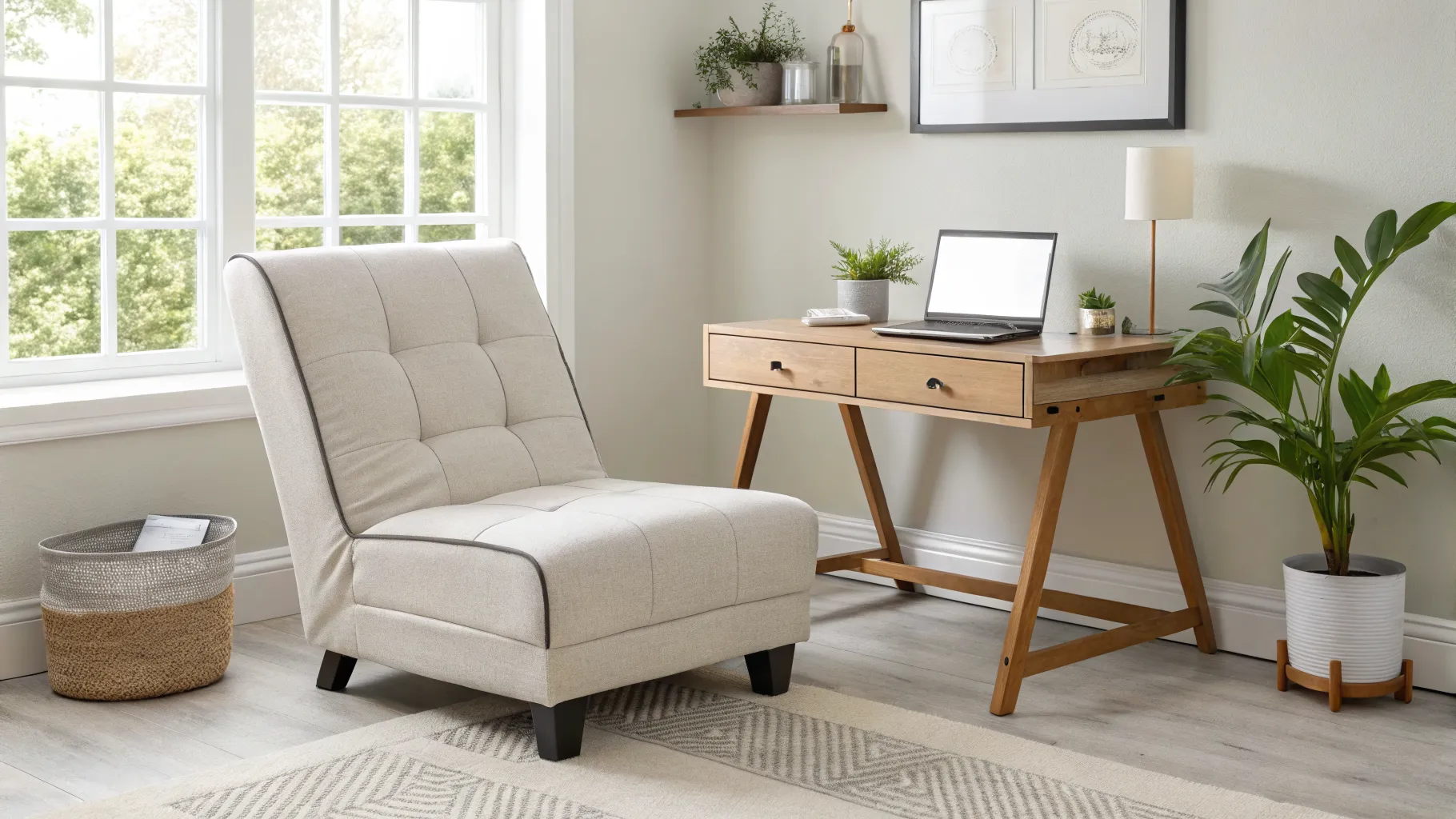
Prioritizing Ergonomics for Daily Productivity
While the allure of a sleeper chair home office is its dual functionality, its primary role for most users will be as a comfortable and supportive office chair. Neglecting ergonomics can lead to discomfort, poor posture, and reduced productivity over time. When evaluating options, look for features common in high-quality office chairs: adjustable lumbar support, armrests, seat height, and tilt mechanisms. An ergonomic sleeper chair should allow you to maintain a healthy sitting posture throughout your workday, preventing strain and promoting focus. Consider the material of the seat and backrest, opting for breathable fabrics or supportive mesh that can withstand prolonged use. The quality of the foam density is also crucial; it should be firm enough to offer support but comfortable for extended periods, avoiding premature sagging. Always test the chair's adjustments to ensure it can be customized to your body's specific needs, recognizing that a good fit is paramount for both comfort and long-term health in your home office.
Assessing Space and Size Constraints in Your Home Office
One of the most significant factors in choosing a sleeper chair home office is the physical space available. Before you begin shopping, meticulously measure your room, paying close attention to the area where the chair will reside, both in its seated and extended (bed) configurations. Consider the swing radius for unfolding, ensuring there's ample room for walkways and other furniture. A compact space-saving sleeper sofa or chair is often ideal for smaller home offices, but even then, understanding its full footprint when converted is vital. Think about potential obstructions like doors, windows, or existing shelving units. Beyond mere dimensions, visualize the chair within the room's overall aesthetic and flow. A bulky sleeper chair in a tight space can make the office feel cluttered and less inviting. Prioritize models that offer clever design solutions, such as fold-out mechanisms that are intuitive and don't require significant rearrangement of other furniture. The goal is to integrate the multifunctional furniture seamlessly without sacrificing the room's functionality or visual appeal.
Understanding Conversion Mechanisms and Ease of Use
The efficiency and simplicity of converting your sleeper chair home office from a chair to a bed, and vice-versa, are paramount, especially if you anticipate frequent use. Different mechanisms offer varying levels of effort and speed. Some chairs feature a simple pull-out system, where the seat pulls forward and the backrest folds down. Others might incorporate a more complex click-clack mechanism or even an inflatable mattress system hidden within the base. Evaluate whether the conversion process can be managed by one person without excessive strain or technical difficulty. A smooth, quiet mechanism is preferable, especially if guests might be converting it themselves. Longevity is also tied to the mechanism's quality; robust metal frames and durable hinges will ensure the chair withstands repeated transformations. Don't overlook the importance of having easily removable or integrated cushions that don't hinder the conversion. The best guest bed solution within a home office context is one that offers convenience and reliability, ensuring a hassle-free experience for both you and your guests.
Material Durability and Aesthetics for a Lasting Impression
The materials chosen for your sleeper chair home office directly impact its durability, comfort, and how well it integrates into your office décor. For upholstery, consider options like high-grade fabric, leather, or synthetic alternatives that are easy to clean and resist wear and tear. If your office sees a lot of activity or if you have pets, performance fabrics that are stain-resistant and robust might be a smart investment. The internal frame construction is equally vital; look for solid wood, steel, or a combination of both for maximum stability and longevity. Cheaper frames can lead to wobbling and a shorter lifespan. Mattress quality within the sleeper component should also be scrutinized. A dense foam mattress, a memory foam topper, or even an air coil mattress can significantly enhance guest comfort. Aesthetically, the chair should complement your existing office furniture and overall interior design scheme. Whether you prefer a modern, minimalist look or something more traditional, there's a multifunctional furniture piece available that can enhance your space without compromising on style. Consider colors and textures that create a cohesive and professional yet inviting atmosphere.
Actionable Advice: Making Your Final Selection
- Measure Precisely: Always measure your office space for both chair and bed dimensions. Don't forget ceiling height if applicable for pull-down models.
- Prioritize Comfort: Sit in the chair and lie on the bed if possible. An ergonomic sleeper chair must be comfortable in both configurations for its intended users.
- Test Conversion: If buying in person, convert the chair yourself. Online, look for detailed video demonstrations of the conversion process to gauge ease of use.
- Assess Material Quality: Examine fabric samples for durability and cleanability. Inquire about frame construction and mattress specifications for longevity.
- Read Reviews: Look for feedback specifically addressing the durability, comfort, and conversion mechanism of the sleeper chair home office you are considering. Pay attention to common complaints or praises.
- Consider Storage: Some models offer integrated storage for bedding. This can be a significant advantage for a space-saving sleeper sofa in a compact office.
- Set a Budget: Determine your budget range upfront. Quality multifunctional furniture can be an investment, but there are options across various price points.
Frequently Asked Questions
Is a sleeper chair home office comfortable for daily sitting?
Modern sleeper chair home office designs prioritize ergonomics to ensure they are comfortable for daily use. Look for models with adjustable lumbar support, armrests, and seat height. While some may not offer the same level of adjustability as a dedicated office chair, many high-quality options provide ample support for long workdays, making them a viable ergonomic sleeper chair solution.
How much space does a space-saving sleeper sofa really save?
A space-saving sleeper sofa or chair is designed to be highly efficient with space. While they expand into a bed, their footprint as a chair is significantly smaller than a full sofa bed. They are ideal for compact home offices, offering a guest bed solution without permanently occupying valuable floor space. Always check the dimensions for both configurations before purchasing.
Can a sleeper chair home office replace a regular guest bed?
For occasional guests, a good quality sleeper chair home office can absolutely serve as an excellent guest bed solution. Many models feature comfortable mattresses and sturdy frames. However, for extended stays or very frequent guest use, a dedicated guest bed or a larger sleeper sofa might offer superior comfort and durability. It depends on the frequency and duration of use.
References
- Trends in multifunctional furniture design
- Ergonomic standards for home office seating
- Research on space optimization in urban living
Authored by MyTrendSpot team