Choosing the Perfect Sleeping Chair for Home Use: A Comprehensive Guide to Comfort and Style
Facts:
- The global sleeping chair market is projected to see steady growth.
- Demand for multi-functional furniture, including versatile recliner chairs, is trending upwards.
Navigating Your Ideal Sleeping Chair for Home Use Selection
Choosing the right sleeping chair for home use is a decision that significantly impacts daily comfort and overall well-being. It's not merely about selecting a piece of furniture; it's about investing in a sanctuary designed for rest, relaxation, and sometimes, even work. This guide will walk you through the essential considerations, from assessing comfort and support to understanding the nuances of space and design, ensuring your chosen chair perfectly meets your needs and lifestyle.
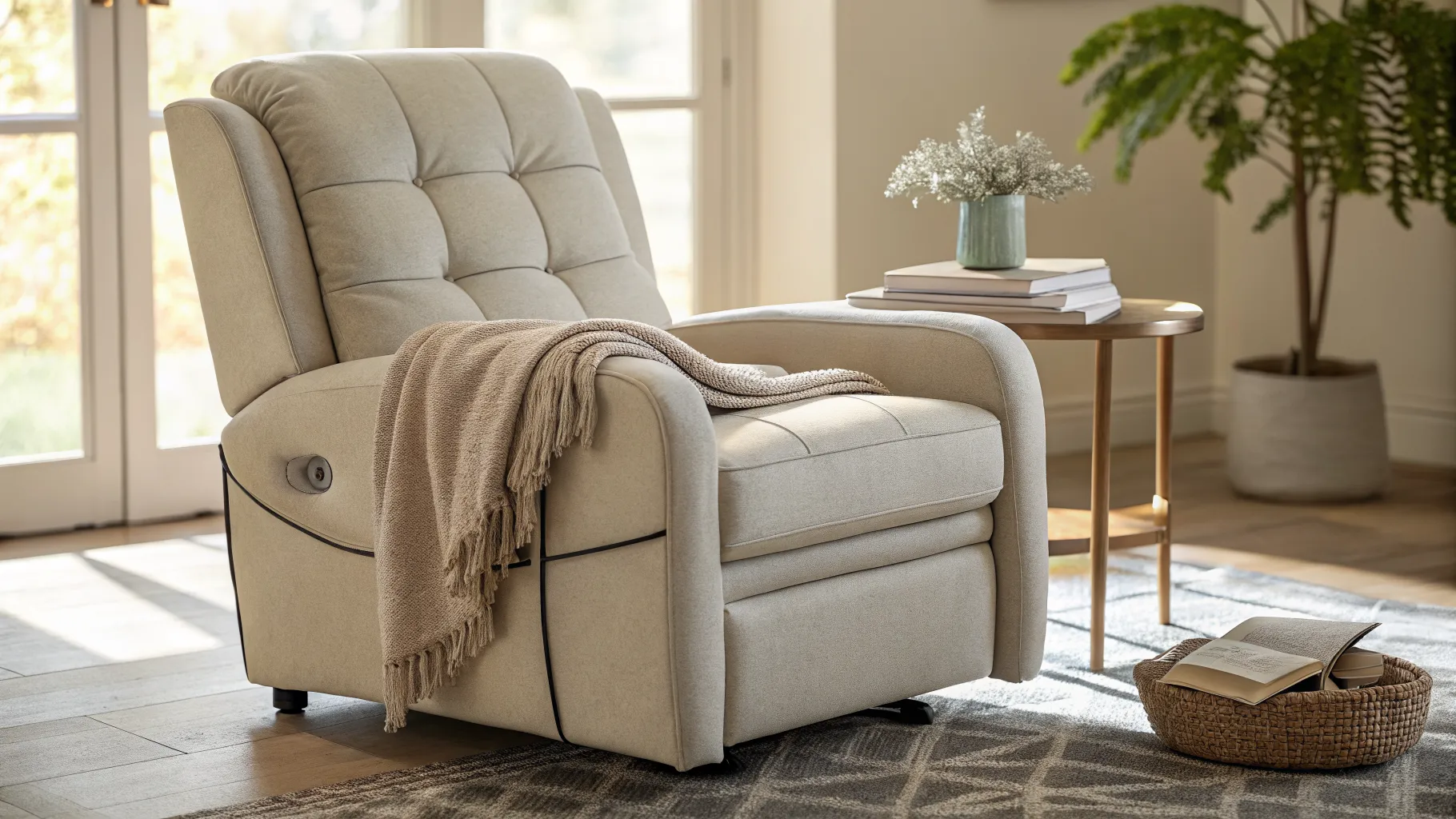
Understanding Essential Comfort and Support for Your Sleeping Chair
The primary purpose of a sleeping chair for home use is to provide unparalleled comfort. Achieving this involves a deep understanding of what constitutes good ergonomic design and appropriate cushioning. Without proper comfort and support, even the most stylish chair can quickly become an unused fixture in your home. This section delves into the critical factors that contribute to a truly restorative seating and sleeping experience.
Ergonomics and Posture Alignment
Ergonomics plays a crucial role in preventing discomfort and promoting healthy posture, especially when you plan to spend extended periods in your chair, whether reading, watching TV, or napping. A well-designed sleeping chair for home use should support the natural curve of your spine, from the lumbar region to your neck. Look for features like adjustable headrests and lumbar support that can be customized to your body. The goal is to maintain a neutral spinal position, distributing your body weight evenly and reducing pressure points. This ergonomic design is vital for long-term health and ensures that your recliner chair offers consistent support, preventing aches and stiffness.
Cushioning and Material Quality
The quality of cushioning directly impacts both the initial feel and the long-term durability of your sleeping chair for home use. High-density foam is often preferred for its ability to retain shape and provide firm yet comfortable support. Some chairs incorporate memory foam layers for enhanced contouring and pressure relief. Beyond the internal components, the external material quality of the upholstery also contributes significantly to comfort. Soft, breathable fabrics like cotton blends or microfibers can offer a cozy feel, while genuine leather or high-quality synthetics provide a luxurious touch and often superior durability. Consider how the material feels against your skin and its ability to regulate temperature, ensuring comfort in various seasons.
Space and Design Considerations for Seamless Integration
Before committing to a specific recliner chair, it's crucial to evaluate how it will fit into your existing living environment. The aesthetics and dimensions of your chosen sleeping chair for home use must harmonize with your room's layout and decor. Overlooking these aspects can lead to a cramped space or a piece of furniture that feels out of place. Thoughtful consideration of space and design ensures that your new chair becomes an integrated and appealing part of your home.
Measuring Your Room Dimensions
Accurate measurements are paramount. Assess the available floor space where you intend to place the sleeping chair for home use. Remember to account for the chair's full reclined dimensions, especially if it's a model with extensive adjustability features. Consider doorframes, hallways, and staircases to ensure the chair can be easily moved into the room upon delivery. A simple tape measure can prevent significant headaches down the line, guaranteeing your new chair fits perfectly without obstructing walkways or other furniture.
Aesthetics and Interior Harmony
Your sleeping chair for home use should complement your existing interior design style. Whether your home is modern, traditional, minimalist, or eclectic, there's a chair design that will fit. Consider the chair's silhouette, upholstery color, and any visible details like wooden legs or metal accents. A neutral-colored recliner chair might offer versatility, while a bold color could serve as a focal point. The goal is to select a chair that not only provides superior comfort and support but also enhances the visual appeal of your room, creating a cohesive and inviting atmosphere.
Exploring Types of Sleeping Chairs and Their Adjustability Features
The market for sleeping chairs for home use offers a wide array of options, each with unique mechanisms and functionalities. Understanding these different types and their respective adjustability features is key to selecting a chair that precisely meets your relaxation and sleeping preferences. From simple manual recliners to sophisticated power models, the choices can significantly impact your user experience and overall satisfaction.
Manual vs. Power Recliners
Manual recliners typically operate with a lever or by pushing back with your body weight to adjust the recline. They are generally more affordable and don't require an electrical outlet, offering greater placement flexibility. However, they might require more physical effort to operate. Power recliners, on the other hand, use motors to adjust the backrest, footrest, and sometimes even the headrest and lumbar support, all at the touch of a button. They offer smooth, precise adjustments and are ideal for individuals with limited mobility. Many power recliner chair models also include USB charging ports and memory settings, enhancing convenience and overall user experience.
Swivel and Gliding Functions
Some sleeping chairs for home use come equipped with additional adjustability features like swivel or gliding mechanisms. A swivel base allows the chair to rotate 360 degrees, providing flexibility to face different directions without moving the entire chair. This can be particularly useful in open-plan living spaces or when you want to easily interact with different parts of a room. Gliding chairs offer a gentle, back-and-forth motion, often favored for their soothing effect, making them popular in nurseries or quiet reading nooks. These added functionalities can enhance the versatility and enjoyment of your chosen recliner chair, providing more ways to relax.
Material Quality and Durability: A Long-Term Investment
When choosing a sleeping chair for home use, the upholstery material quality and the overall construction are critical factors for ensuring its longevity and maintaining its aesthetic appeal over time. A chair made with durable materials and robust construction will withstand daily use, resist wear and tear, and continue to provide optimal comfort and support for years to come. Understanding the differences between common materials and frame constructions can help you make an informed decision for a lasting investment. For example, while genuine leather offers unparalleled durability and a luxurious feel, it often comes at a higher price point and requires specific care. On the other hand, high-performance fabrics like microfiber or polyester blends are often more resistant to stains and spills, easier to clean, and come in a wider variety of colors and textures, making them a practical choice for busy households. The internal frame, typically made of hardwood or steel, also dictates the structural integrity. A solid frame ensures stability and prevents creaking or wobbling, which is essential for a reliable recliner chair. Pay attention to stitching, seams, and padding density to gauge the overall craftsmanship.
Smart Tips for Purchasing Your Perfect Sleeping Chair
Making the final decision on your sleeping chair for home use can be overwhelming given the multitude of options. These actionable tips will help streamline your purchasing process and ensure you find a chair that perfectly blends comfort and support with your aesthetic and practical needs.
- Test Before You Buy: Whenever possible, visit a showroom to physically sit in and try out different recliner chair models. This is the best way to assess the level of comfort and support, test the adjustability features, and ensure the chair's dimensions are suitable for your body.
- Read Reviews and Research Brands: Customer reviews can offer valuable insights into the real-world performance, durability, and common issues of various sleeping chair for home use brands and models. Look for consistent positive feedback regarding material quality and customer service.
- Check Warranty and Return Policies: Understand the manufacturer's warranty for both the frame and the upholstery. Also, familiarize yourself with the retailer's return policy, especially for large furniture items, in case the chair doesn't meet your expectations once it's in your home.
- Consider Delivery and Assembly: Large furniture items often require special delivery and sometimes assembly. Inquire about these services, including costs and scheduling, to avoid any unexpected logistical challenges when your new recliner chair arrives.
- Set a Budget: Establish a realistic budget before you start shopping. While it's important not to compromise on quality and ergonomics, having a price range in mind will help narrow down your options and prevent overspending.
Frequently Asked Questions
What is the ideal position for a sleeping chair for home use?
The ideal position for a sleeping chair for home use often involves a slight recline that elevates your feet above your heart, reducing pressure and promoting circulation. Many high-quality recliner chair models allow for infinite adjustments to find your most comfortable angle, ensuring optimal comfort and support for relaxation or napping.
How do I maintain the comfort and support of my recliner chair?
Maintaining the comfort and support of your recliner chair involves regular cleaning according to the upholstery's specifications, avoiding excessive strain on moving parts, and periodically checking and tightening any loose screws or bolts. Proper care based on material quality significantly extends the lifespan of your chair.
Are sleeping chairs good for back pain?
Yes, many sleeping chairs for home use can be beneficial for back pain, especially those with advanced ergonomics and lumbar support. A well-designed recliner chair can help maintain a neutral spine, relieve pressure points, and reduce muscle tension, offering significant relief. Always test the chair to ensure it provides adequate comfort and support for your specific needs.
References
- Furniture Today.
Authored by MyTrendSpot team