Choosing Outdoor Play Equipment for Toddlers: A Guide to Safe & Developmental Fun
Facts:
- Early exposure to outdoor play boosts physical health.
- Demand for versatile, durable toddler outdoor play equipment is trending upward for families.
Understanding Toddler Developmental Needs for Outdoor Play
Choosing the right outdoor play equipment for toddlers is a crucial decision for parents seeking to foster physical development, social skills, and imaginative exploration. A well-selected backyard playground can transform your outdoor space into a vibrant arena for growth, but it requires careful consideration of safety, age-appropriateness, and long-term durability. This comprehensive guide will walk you through the essential factors to ensure your little one enjoys a stimulating and secure environment.
Assessing Safety Standards and Materials
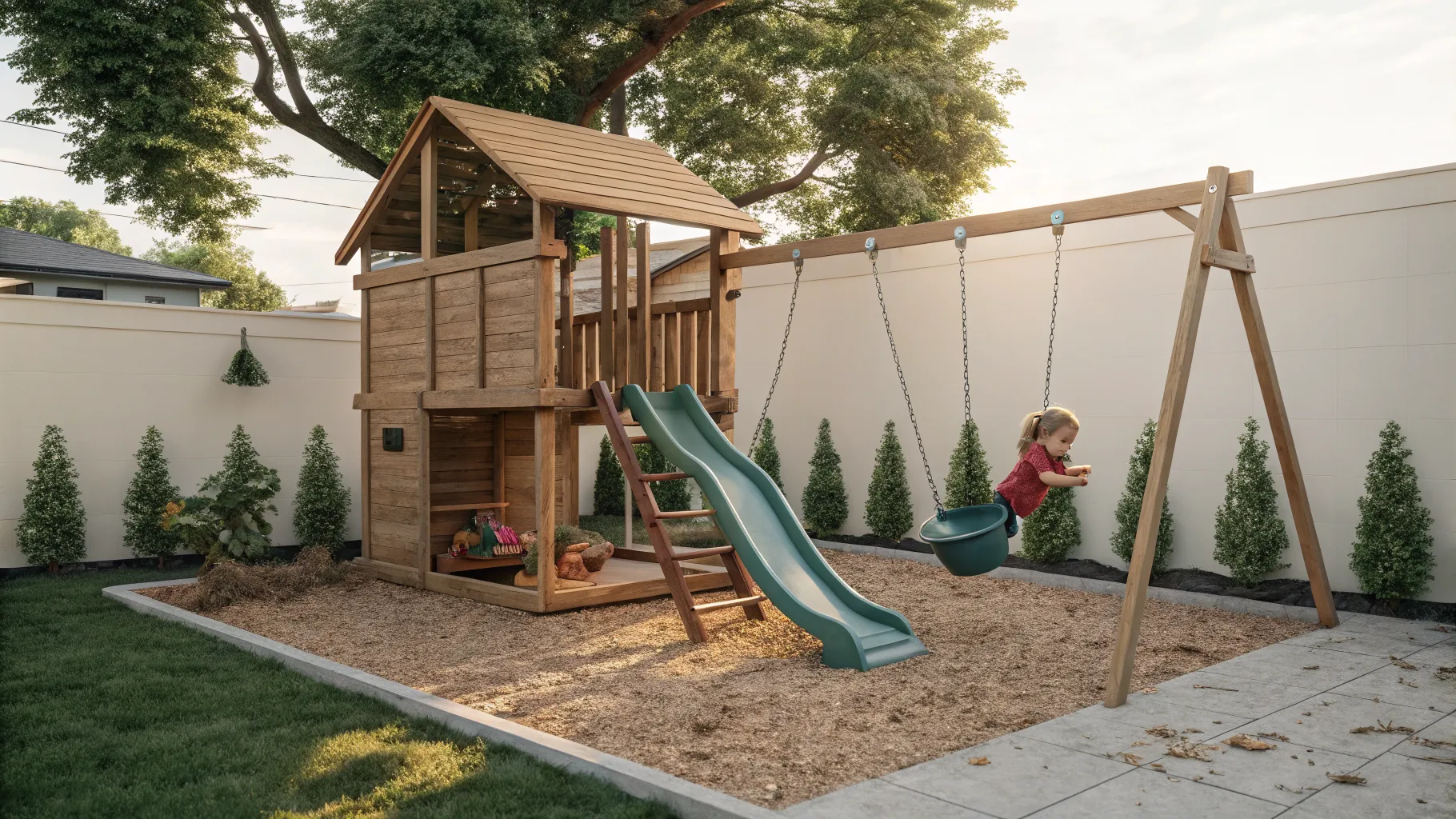
When you embark on the journey of how to choose outdoor play equipment for toddlers, safety must be your paramount concern. Equipment should always meet recognized international or national safety standards, such as ASTM F1148 for home playground equipment. Look for certifications and clear labeling. Materials are another critical aspect; choices often include robust plastics, treated wood, and metal. Each has distinct advantages and considerations. High-quality plastics are often used for slides and smaller structures, offering smooth surfaces and weather resistance. Ensure they are BPA-free and UV-stabilized to prevent degradation over time. Treated wood, typically cedar or redwood, provides a natural aesthetic but requires regular inspection for splinters, rot, and loose fastenings. Metal components, while durable, should be rust-resistant and free from sharp edges or pinch points. Always check for secure anchoring systems, appropriate fall surfacing requirements (like wood chips, rubber mulch, or sand), and the absence of small parts that could pose a choking hazard for young children engaging in toddler outdoor play.
Considerations for Age-Appropriate Equipment
Selecting outdoor play equipment for toddlers means understanding their unique developmental stage. Toddlers, typically aged 1-3 years, are developing gross motor skills, coordination, and balance. Equipment designed for older children can be dangerous, while overly simplistic items may not provide enough stimulation. For this age group, focus on low-to-the-ground structures, short slides with gentle slopes, bucket swings that offer secure support, and small climbing features with wide steps. Sandboxes are excellent for sensory exploration and imaginative play, fostering early cognitive development. Water tables provide engaging sensory experiences, enhancing fine motor skills. As toddlers grow, they will benefit from structures that encourage crawling, pulling up, cruising, and eventually climbing and sliding independently. Always ensure that the scale of the equipment matches the physical capabilities of your toddler, allowing them to engage safely and confidently in their backyard playground activities.
Maximizing Developmental Play Opportunities
The best child-safe equipment not only entertains but also actively contributes to a toddler's holistic development. When you are determining how to choose outdoor play equipment for toddlers, consider how each piece supports physical, cognitive, and social-emotional growth. For physical development, look for items that encourage climbing, balancing, swinging, and running. Swings help with vestibular stimulation and spatial awareness. Slides offer a thrill and help with balance and coordination. Climbing structures improve strength and problem-solving skills. Cognitive development is boosted through activities like building in a sandbox, experimenting with water play, or engaging with simple puzzles integrated into play panels. Social-emotional growth is fostered when multiple children can play together, learning sharing, cooperation, and communication. A versatile backyard playground setup might include a small climber with a slide, a bucket swing, and a sensory station, all designed to encourage rich, varied developmental play experiences that nurture a well-rounded child.
Durability, Maintenance, and Installation
Investing in outdoor play equipment for toddlers means considering its longevity and the effort required for its upkeep. High-quality child-safe equipment is an investment that should withstand various weather conditions and the vigorous play of active toddlers. Evaluate the manufacturer's warranty and reviews concerning durability. Wooden sets may require periodic staining or sealing to prevent rot and insect damage, while plastic components should be checked for cracks or fading. Metal parts need inspection for rust. Proper installation is equally crucial for ensuring the safety and stability of any backyard playground. Many pieces of equipment require anchoring into the ground to prevent tipping. Always follow the manufacturer's installation instructions precisely. If you're not confident in your DIY skills, consider professional installation to ensure all safety guidelines are met. Regular maintenance checks, including tightening bolts, inspecting ropes, and cleaning surfaces, are essential to keep the equipment safe and in optimal condition for continuous toddler outdoor play.
Space Planning and Budgeting for Your Backyard Playground
Before purchasing any outdoor play equipment for toddlers, it's vital to assess your available space and establish a realistic budget. Measure your backyard area carefully, accounting for not just the footprint of the equipment itself but also the necessary safety zones around it. Most safety standards recommend a clear perimeter of at least six feet around all sides of play structures to prevent injuries from falls or collisions. Consider the sun exposure and drainage of your chosen spot. A shaded area is preferable to protect children from UV rays, and good drainage prevents water accumulation. Budgeting involves more than just the purchase price of the equipment; factor in delivery, installation costs (if hiring professionals), and the cost of appropriate fall surfacing materials. While it might be tempting to opt for the cheapest option, remember that higher quality often correlates with better durability and safety features. Prioritize essential, age-appropriate pieces first, then gradually add accessories as your budget allows, building a fantastic backyard playground over time that supports diverse developmental play.
Practical Tips for Setting Up Your Toddler's Outdoor Play Space
- Choose a Level Surface: Ensure the installation area for your backyard playground is as flat and level as possible. This prevents tipping and provides a stable base for all structures.
- Install Proper Fall Surfacing: Never place play equipment directly over hard surfaces like concrete or asphalt. Use materials such as wood chips, rubber mulch, sand, or engineered wood fiber to absorb impact and reduce injury risk from falls, adhering to recommended depths for specific equipment heights.
- Supervise Constantly: Even with the safest child-safe equipment, constant adult supervision is non-negotiable for toddlers. Be actively present to prevent accidents and guide their play.
- Regularly Inspect Equipment: Make a habit of checking all components weekly for wear and tear, loose bolts, sharp edges, or environmental damage. Address any issues immediately to maintain high safety standards.
- Incorporate Variety: While focusing on static equipment, also include portable items like balls, bubbles, and ride-on toys to offer diverse toddler outdoor play experiences and prevent boredom, encouraging active engagement.
Frequently Asked Questions
What are the most crucial safety standards to look for in toddler play equipment?
The most crucial safety standards to look for include certifications like ASTM F1148 for home playground equipment in the U.S., or equivalent standards in other regions. These standards cover aspects like material safety, fall zone requirements, absence of entrapment hazards, and structural integrity. Always verify that the product explicitly states it meets these standards and comes from a reputable manufacturer.
How often should I inspect my backyard playground for safety?
It is recommended to inspect your backyard playground at least once a month for general wear and tear, and more frequently after severe weather. Key areas to check include tightening all bolts and screws, looking for cracks or splinters in wood, checking metal for rust, ensuring all anchors are secure, and verifying that fall surfacing material is still at the appropriate depth and consistency. Regular maintenance is key to prolonging the life of your child-safe equipment and ensuring continuous safety for toddler outdoor play.
What types of equipment best encourage developmental play for toddlers?
For toddlers, equipment that encourages motor skill development, sensory exploration, and imaginative play is ideal for developmental play. This includes low-to-the-ground climbing structures, short slides, bucket swings (which provide core stability), sandboxes, water tables, and small ride-on toys. These items help improve balance, coordination, strength, and cognitive skills, while also fostering creativity and social interaction in a safe environment.
References
- The Importance of Outdoor Play for Young Children.
- Guidelines for Home Playground Safety.
- Developmental Milestones in Toddlers and Play.
Authored by MyTrendSpot team