How to Select Solar Pathway Lights: Your Ultimate Guide to Outdoor Illumination
Facts:
- Modern solar path lights offer incredible durability and efficiency.
- Outdoor solar lighting is a growing trend for eco-conscious homeowners.
Unveiling the Essentials for Optimal Solar Pathway Lighting
Choosing the right solar-powered outdoor lighting for pathways can transform your garden, enhancing both aesthetics and safety. With numerous options available, understanding the key factors for solar light selection is crucial to ensure your outdoor spaces are beautifully illuminated and energy-efficient. This comprehensive guide will walk you through everything you need to know to make an informed decision for your home's solar pathway lights.
Understanding Solar Panel Technology and Battery Life
The core of any effective outdoor solar lighting system lies in its solar panel and battery. High-quality panels, typically monocrystalline or polycrystalline, convert sunlight into electricity more efficiently, even on cloudy days. When considering how to select solar-powered outdoor lighting for pathways, look for lights with larger solar panels, as these often charge faster and more completely. The battery type and capacity are equally important. Lithium-ion batteries offer superior longevity and performance compared to older NiMH batteries, providing consistent brightness throughout the night. A longer battery life means your solar pathway lights will stay illuminated for extended periods, crucial for comprehensive garden path illumination. Assess the advertised run time and consider your specific needs—do you need lights to last until dawn, or just for a few hours after sunset?
Lumens, Light Color, and Beam Angle for Pathway Safety and Aesthetics
When selecting solar pathway lights, lumens indicate the brightness, while light color influences the ambiance. For functional pathway lighting solutions, a lumen output of 10-50 lumens per light is generally sufficient to highlight the path without being overly glaring. Consider warmer color temperatures (2700K-3000K) for a welcoming, natural glow, or cooler temperatures (4000K-5000K) for a more modern, crisp look. The beam angle is also vital; a wider beam disperses light over a larger area, while a narrower beam creates more focused illumination. For safe navigation, ensure the lights provide even coverage, eliminating dark spots and tripping hazards. Effective solar light selection balances sufficient brightness for safety with the desired aesthetic to complement your landscape design, ensuring your outdoor solar lighting is both practical and beautiful.
Durability and Weather Resistance: Built to Last
Given that solar-powered outdoor lighting for pathways will be exposed to the elements year-round, durability and weather resistance are paramount. Look for lights constructed from robust materials such as stainless steel, aluminum, or high-grade ABS plastic, which are resistant to rust and corrosion. The ingress protection (IP) rating is a critical indicator of a light's resistance to dust and water. For outdoor use, an IP rating of IP44 or higher is recommended to withstand rain, splashes, and debris. Lights with higher IP ratings (e.g., IP65 or IP67) offer even greater protection, making them ideal for areas prone to heavy rain or snow. Investing in durable solar pathway lights minimizes the need for frequent replacements and ensures consistent garden path illumination through all seasons, contributing to the longevity and reliability of your outdoor solar lighting system.
Installation and Maintenance Considerations
One of the major advantages of outdoor solar lighting is its ease of installation, requiring no wiring or external power sources. However, proper placement is key to maximizing efficiency. Ensure your solar pathway lights are positioned in an area that receives at least 6-8 hours of direct sunlight daily to allow the panels to fully charge. Avoid placing them under dense foliage or in shaded spots. Maintenance for solar-powered outdoor lighting for pathways is minimal but essential. Regularly wipe down the solar panels to remove dirt, dust, and debris, which can impede charging efficiency. Periodically check for any obstructions and ensure the light fixtures are clean. Understanding these aspects of solar light selection ensures your lights operate at peak performance, providing reliable garden path illumination with minimal effort.
Aesthetic Design and Placement Strategy
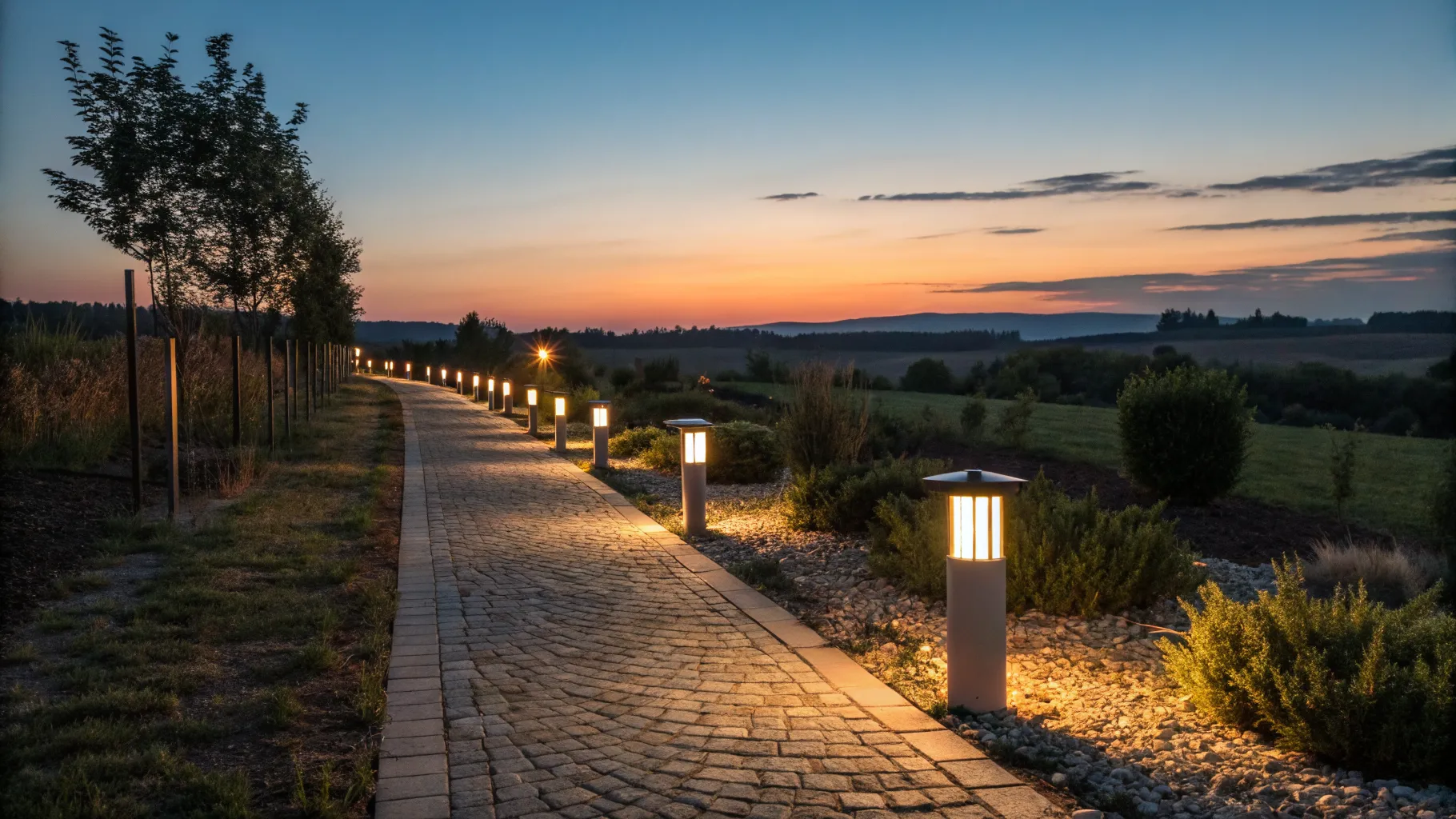
Beyond functionality, the aesthetic design of your solar pathway lights plays a significant role in enhancing your home's curb appeal. Lights come in various styles, from modern minimalist designs to more traditional or decorative options. Consider how the fixtures will blend with your existing landscape architecture and overall home style. Strategic placement is equally important for creating an inviting and safe environment. Staggering lights along the path can create a more dynamic and interesting look than simply lining them up in a straight row. For wider paths, consider placing lights on both sides. Experiment with different spacing to achieve the desired level of garden path illumination, ensuring that your chosen pathway lighting solutions not only guide the way but also contribute to the beauty and character of your outdoor space. Effective solar light selection integrates both form and function seamlessly.
Making the Smart Choice for Your Pathways
When you're ready to make your final decision on how to select solar-powered outdoor lighting for pathways, it's wise to consider your budget, the desired brightness, and the aesthetic you wish to achieve. Don't compromise on quality for a lower price, as this often leads to less efficient charging, shorter battery life, and reduced durability. Read reviews, compare specifications, and visualize how the chosen solar pathway lights will integrate into your landscape. Think about the overall effect you want to create—subtle ambient light, clear directional guidance, or a combination. The right outdoor solar lighting investment will provide years of reliable, eco-friendly garden path illumination, making your outdoor areas more enjoyable and secure after dark. This thoughtful approach to solar light selection ensures lasting satisfaction.
Frequently Asked Questions
How long do solar pathway lights typically last?
The lifespan of solar pathway lights depends on the quality of components. High-quality LED bulbs can last up to 50,000 hours, while batteries typically last 2-3 years before needing replacement. The solar panel itself can last 10-20 years with proper maintenance. Investing in durable outdoor solar lighting ensures a longer overall product life.
Can solar-powered outdoor lighting for pathways work in winter?
Yes, but their performance may be reduced. Shorter daylight hours and lower sun intensity mean solar panels receive less charge. Snow cover can also block the panels. For optimal winter performance, choose lights with larger, more efficient solar panels and position them in areas that receive maximum available sunlight and are cleared of snow regularly to maintain effective garden path illumination.
What is the ideal spacing for solar pathway lights?
The ideal spacing depends on the brightness of the lights and the desired effect. Generally, spacing 4-8 feet apart provides adequate coverage for most paths. For brighter lights or a more dramatic effect, you might space them further apart. For less bright lights or a more continuous glow, closer spacing may be needed. Experimenting with placement before permanent installation is recommended for effective pathway lighting solutions.
References
- Industry reports on renewable energy adoption for residential use.
- Gardening and landscape design publications focusing on outdoor aesthetics.
- Studies on LED technology efficiency and battery longevity in outdoor applications.
Authored by MyTrendSpot team