Laser Treatment for Under-Eye Bags: A Guide to Eye Rejuvenation
Facts:
- Laser treatment offers precise results for delicate skin.
- Growing trend in aesthetic medicine for effective non-surgical options.
Understanding Advanced Laser Treatment for Under-Eye Bags
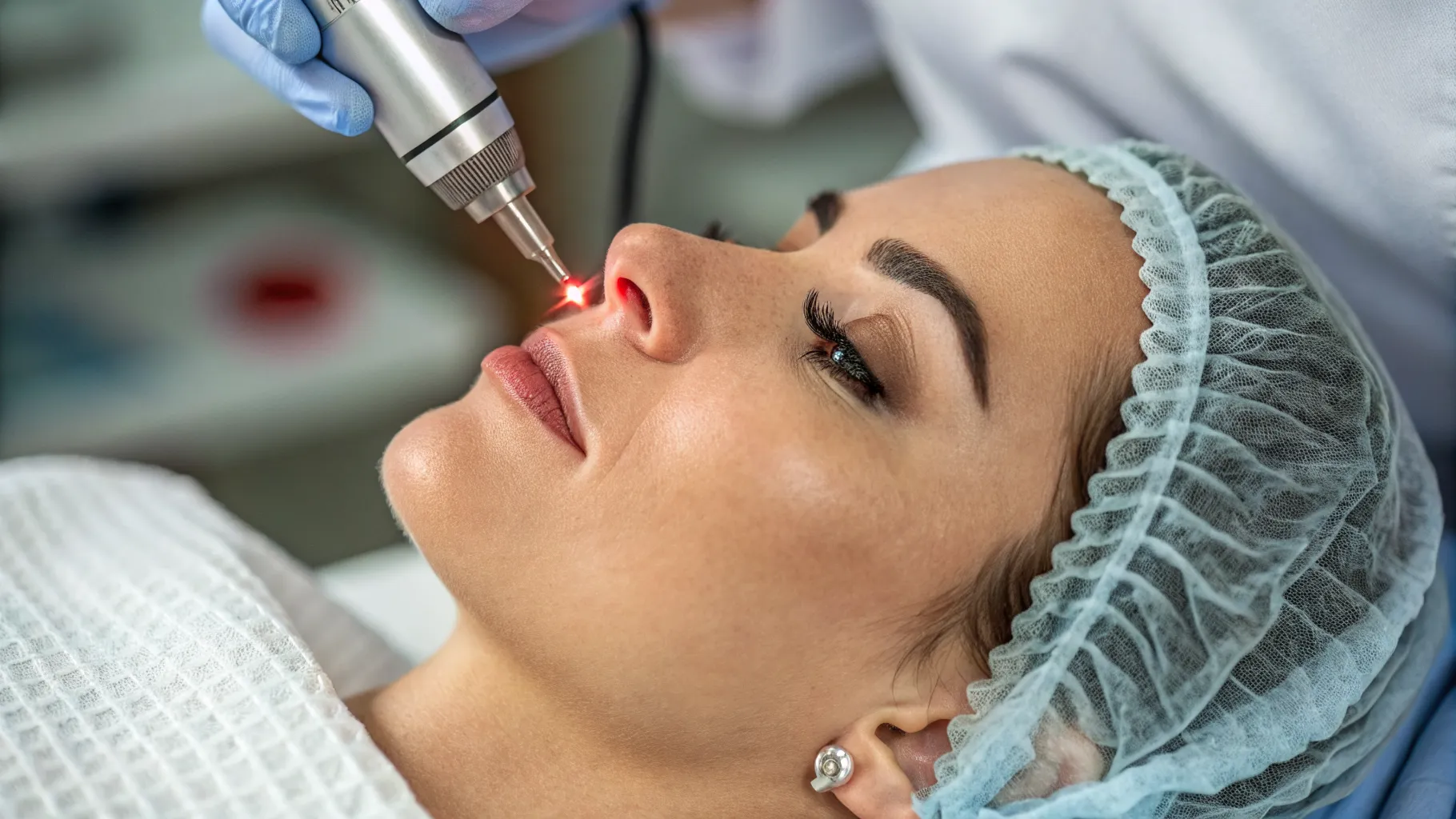
Addressing persistent under-eye bags has long been a challenge, with many seeking effective, minimally invasive solutions. Modern advancements in aesthetic medicine have positioned laser treatment for under-eye bags as a leading option for those desiring significant improvements. This sophisticated approach targets the underlying causes of puffiness, discoloration, and textural irregularities, offering comprehensive under-eye rejuvenation. By carefully delivering controlled energy, lasers stimulate the body's natural healing processes, leading to noticeable tightening and revitalization of the delicate skin around the eyes. The precision of laser technology allows for customized treatments that cater to individual skin types and specific concerns, making it a highly sought-after procedure for achieving a more rested and youthful appearance without the need for extensive surgery.
The Science Behind Laser Under-Eye Rejuvenation
The efficacy of laser treatment for under-eye bags stems from its ability to penetrate the skin and initiate a cascade of beneficial biological responses. Different types of lasers utilize specific wavelengths of light that are absorbed by water or pigment in the skin. This absorption generates heat, which can either ablate (remove) microscopic columns of tissue or induce thermal energy without breaking the skin's surface. In either case, the controlled thermal injury stimulates the body's natural wound-healing response, significantly boosting collagen production and elastin synthesis. Collagen and elastin are vital proteins responsible for skin's firmness, elasticity, and overall structural integrity. As new collagen fibers are formed and existing ones are remodeled, the skin beneath the eyes becomes tighter, smoother, and more resilient, effectively reducing the appearance of under-eye bags and addressing issues of skin laxity. This process, often referred to as dermal remodeling, contributes to long-lasting improvements in skin quality and contour.
Types of Laser Treatments for Under-Eye Concerns
Several types of lasers are employed for effective under-eye rejuvenation, each with distinct mechanisms of action and suitability for different skin concerns. Ablative lasers, such as CO2 and Er:YAG (erbium) lasers, work by removing thin layers of skin, providing dramatic results for significant skin laxity and deeper wrinkles. While highly effective, they typically involve a longer recovery period. Non-ablative lasers, on the other hand, heat the underlying tissue without damaging the surface, stimulating collagen production with minimal downtime. Fractional lasers, both ablative and non-ablative, are particularly popular for laser treatment for under-eye bags. They deliver laser energy in tiny, micro-columns, leaving surrounding tissue intact. This fractional approach allows for faster healing while still achieving excellent results in tightening skin, improving texture, and reducing pigmentation associated with dark circles. The choice of laser depends on the severity of the under-eye bags, the patient's skin type, and their desired recovery timeline. Consulting with a skilled dermatologist is crucial to determine the most appropriate non-invasive eye solutions for individual needs.
Benefits and Expected Outcomes of Under-Eye Laser Therapy
The advantages of undergoing laser treatment for under-eye bags extend beyond mere cosmetic improvement. Patients typically experience a visible reduction in the puffiness and shadow beneath the eyes, leading to a more refreshed and alert appearance. The targeted stimulation of collagen production results in a gradual but significant tightening of the delicate skin, effectively addressing skin laxity that contributes to saggy under-eye areas. Furthermore, laser therapy can diminish fine lines and wrinkles, improve skin texture, and reduce hyperpigmentation, often associated with dark circles. Unlike surgical options, laser treatments are typically less invasive, involve shorter recovery times, and carry fewer risks. The progressive nature of dermal remodeling means that improvements can continue for several months post-treatment, offering long-term benefits for under-eye rejuvenation. Patients often report boosted confidence and satisfaction with their more youthful and vibrant look, highlighting the profound impact of these advanced non-invasive eye solutions.
What to Expect During and After Your Laser Treatment Session
Preparing for laser treatment for under-eye bags involves a consultation to assess suitability and discuss expectations. On the day of the procedure, the area will be thoroughly cleansed, and a topical anesthetic may be applied to ensure comfort. Protective eyewear will be provided. The actual laser application is precise, with the specialist targeting the specific areas of concern around the eyes. The duration of the session varies but is generally short, ranging from 15 to 30 minutes. Immediately after, you might experience some redness, swelling, and a sensation similar to a mild sunburn, which are normal and temporary. Post-treatment care is crucial for optimal results and typically includes applying cooling compresses, using prescribed ointments, and strict sun protection. Downtime can range from a few days to a week, depending on the intensity of the treatment and individual healing capacity. Adhering to aftercare instructions is vital to support the ongoing collagen production and ensure effective under-eye rejuvenation, minimizing complications and maximizing the benefits of addressing skin laxity.
Choosing the Right Clinic and Specialist for Your Under-Eye Journey
Actionable Advice for Optimal Results
Seek Board-Certified Expertise: Always choose a dermatologist or plastic surgeon who is board-certified and has extensive experience specifically with laser treatment for under-eye bags. Their qualifications ensure a deep understanding of facial anatomy and laser technology.
Review Before-and-After Galleries: Request to see a portfolio of their previous work, paying close attention to results for patients with similar concerns regarding under-eye bags and skin laxity. This provides a realistic expectation of potential outcomes.
Understand the Technology: Inquire about the specific type of laser equipment they use for under-eye rejuvenation. Different lasers are suited for different skin types and concerns, and a reputable clinic will be transparent about their technology.
Discuss Comprehensive Treatment Plans: A good specialist will not only focus on the laser procedure but also discuss pre-treatment preparation, post-treatment care, and potential complementary non-invasive eye solutions or follow-up sessions for sustained collagen production.
Clarify Costs and Recovery: Ensure you have a clear understanding of the total cost, including any follow-up appointments, and a detailed outline of the expected recovery period, including any potential side effects or restrictions.
Frequently Asked Questions
Is laser treatment for under-eye bags painful?
Most patients describe the sensation during laser treatment for under-eye bags as a mild snapping or tingling. Topical numbing cream is often applied before the procedure to minimize discomfort, making the experience tolerable for the majority of individuals. Some advanced lasers also incorporate cooling systems to enhance patient comfort throughout the session.
How many sessions are typically required for under-eye rejuvenation?
The number of sessions for optimal under-eye rejuvenation varies based on the individual's concerns, the type of laser used, and the desired results. Many patients see significant improvement after 1-3 sessions, spaced several weeks apart to allow for proper healing and optimal collagen production. A consultation with a specialist will help determine a personalized treatment plan.
Are there any side effects of laser therapy for skin laxity?
Common side effects of laser therapy for skin laxity include temporary redness, swelling, and mild irritation, similar to a sunburn. These usually subside within a few days to a week. Less common side effects can include temporary hyperpigmentation (darkening) or hypopigmentation (lightening), blistering, or infection, which are generally rare when performed by an experienced professional. Strict adherence to post-treatment care is crucial to minimize risks.
References
- Dermatology Times.
Authored by MyTrendSpot team