Effective Laser Treatment for Varicose Veins in Adults: A Comprehensive Guide
Fast Facts:
- Laser treatment offers high success rates for varicose veins.
- Patient satisfaction rates for minimally invasive vein treatment trend upwards for adults seeking lasting relief.
Understanding Advanced Laser Treatment for Varicose Veins
For millions of adults worldwide, varicose veins in adults represent more than just a cosmetic concern; they are often a symptom of underlying venous insufficiency that can lead to discomfort, pain, and even more serious health issues. Fortunately, advancements in medical technology have made highly effective and less invasive solutions readily available. Among these, laser treatment for varicose veins stands out as a leading option, offering a precise and efficient method to address the root cause of these troublesome veins. This comprehensive guide will explore the intricacies of modern laser-based therapies, detailing their benefits, procedures, and what patients can expect when considering this advanced approach to vascular health.
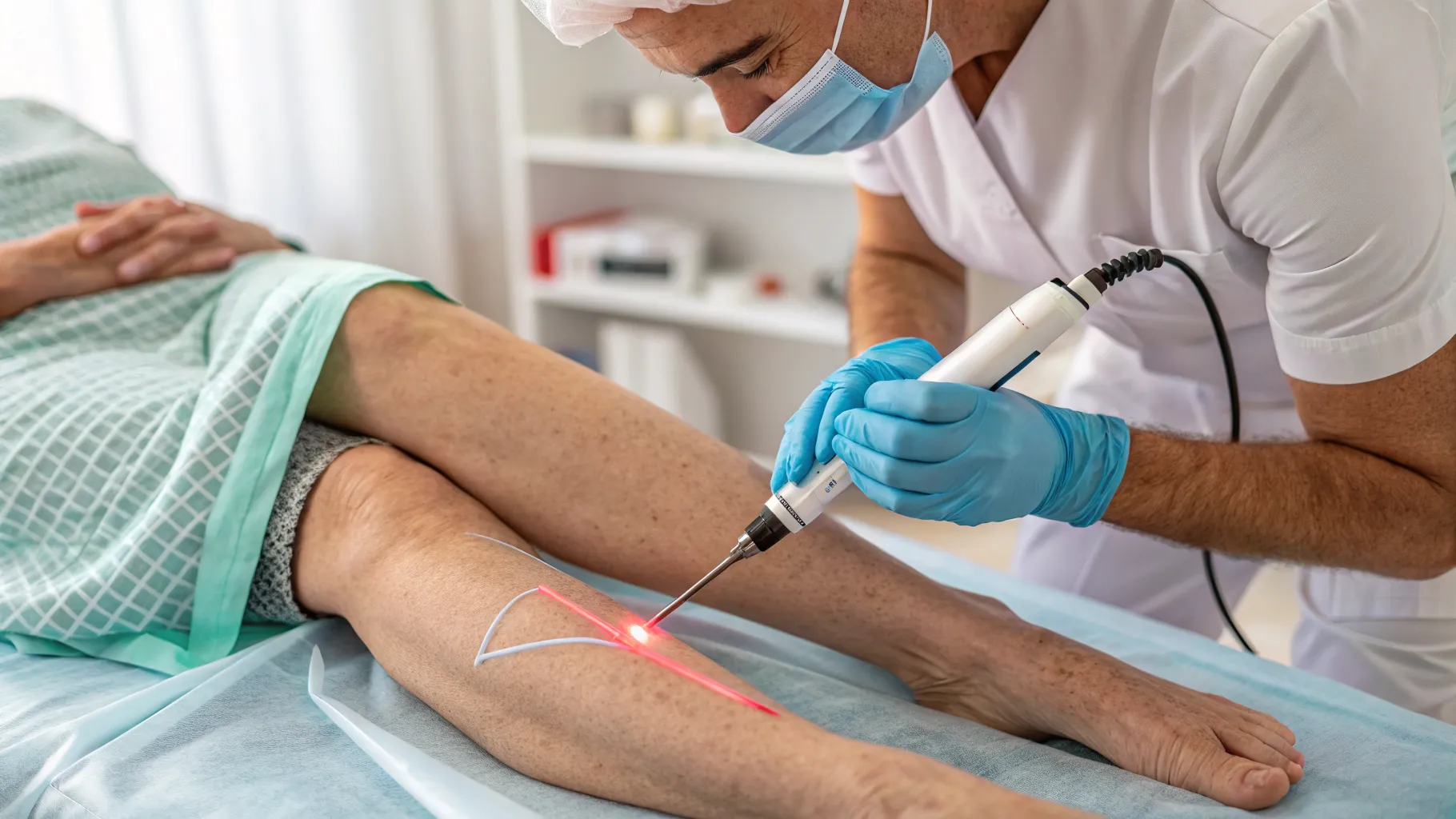
How Endovenous Laser Ablation (EVLA) Works
Endovenous laser ablation (EVLA) is a cornerstone of modern laser varicose vein treatment, offering a targeted approach to sealing off problematic veins. The procedure involves inserting a thin laser fiber directly into the affected vein, typically guided by ultrasound imaging. Once positioned, the laser emits energy, which heats the vein walls, causing them to collapse and seal shut. This process effectively diverts blood flow to healthier veins, alleviating the symptoms associated with venous insufficiency. The body naturally reabsorbs the treated vein over time, and circulation improves as blood is rerouted through alternative, healthy vessels. This minimally invasive technique is performed on an outpatient basis, often under local anesthesia, allowing patients to return to their normal activities relatively quickly.
Benefits of Laser Treatment Over Traditional Methods
Compared to older, more invasive procedures like vein stripping, laser treatment for varicose veins offers a multitude of advantages. Firstly, it is a minimally invasive vein treatment, meaning smaller incisions, reduced pain, and a lower risk of complications. Patients typically experience less bruising and swelling, leading to a quicker recovery time. Secondly, the precision of endovenous laser ablation allows for highly targeted treatment, preserving surrounding tissues and minimizing scarring. The success rates are remarkably high, often exceeding 95%, with long-term efficacy in eliminating symptoms and improving the aesthetic appearance of the legs. Furthermore, the outpatient nature of the procedure means no lengthy hospital stays, making it a convenient option for many adults grappling with varicose veins in adults.
Preparing for Your Laser Varicose Vein Treatment
Proper preparation is key to a successful laser varicose vein treatment. Your specialist will provide detailed instructions, but generally, this involves an initial consultation where your medical history and a thorough examination of your varicose veins will be conducted. Ultrasound imaging will be used to map your veins and identify the exact source of your venous insufficiency. You may be advised to stop certain medications, such as blood thinners, a few days before the procedure. It's also recommended to arrange for someone to drive you home, as you might experience some mild discomfort or grogginess. Ensuring your legs are clean and free of lotions or oils on the day of treatment will also help facilitate the process. Discussing any concerns with your doctor beforehand can help ease anxiety and ensure you are fully prepared.
What to Expect During and After the Procedure
The endovenous laser ablation procedure itself is typically quick, often completed within an hour or two. After the area is numbed with local anesthetic, the laser fiber is inserted. You might feel some pressure but generally no pain. Post-procedure, a compression stocking will be applied to your leg, which you'll need to wear for a specified period to aid healing and prevent complications. Walking immediately after the procedure is encouraged to promote blood flow. While some mild pain, bruising, or tightness along the treated vein is common, these symptoms are usually manageable with over-the-counter pain relievers and subside within a few days to a week. Follow-up appointments will be scheduled to monitor your recovery and ensure the successful closure of the treated veins, reinforcing the long-term effectiveness of laser treatment for varicose veins.
Who is a Candidate for Minimally Invasive Vein Treatment?
Most adults suffering from symptomatic varicose veins are potential candidates for minimally invasive vein treatment like EVLA. Ideal candidates typically experience symptoms such as pain, aching, swelling, heaviness, itching, or skin changes in the legs due to venous insufficiency. A comprehensive evaluation by a vascular specialist is crucial to determine if laser treatment for varicose veins is the most appropriate course of action. This assessment will involve a physical examination and diagnostic ultrasound to confirm the presence of reflux in the veins. Patients with certain medical conditions, pregnancy, or those who are breastfeeding may not be suitable candidates, and alternative vein treatment options would be discussed. The goal is always to find the safest and most effective solution for each individual's unique needs.
Frequently Asked Questions
Is laser treatment for varicose veins painful?
Most patients experience minimal pain during laser varicose vein treatment thanks to local anesthesia. Post-procedure, some mild discomfort, tightness, or bruising is common but usually manageable with over-the-counter pain medication and resolves quickly.
How long does recovery take after endovenous laser ablation?
Recovery after endovenous laser ablation is typically fast. Most individuals can resume light daily activities immediately, though strenuous exercise should be avoided for a week or two. Wearing compression stockings for several days to weeks is usually required to aid healing.
Are the results of laser varicose vein treatment permanent?
The treated veins are permanently closed and absorbed by the body. While new varicose veins can develop in other areas over time, the results for the specific veins treated with laser treatment for varicose veins are considered permanent and highly effective.
What are the risks associated with minimally invasive vein treatment?
Like any medical procedure, minimally invasive vein treatment carries some risks, though they are generally low. Potential risks include minor bruising, swelling, temporary numbness, skin discoloration, or very rarely, blood clots. Your doctor will discuss all potential risks during your consultation.
Can laser treatment address all types of venous insufficiency?
Laser treatment for varicose veins is highly effective for treating saphenous veins that cause primary venous insufficiency and larger surface varicose veins in adults. However, it may not be suitable for all types of vein conditions, such as very small spider veins or certain complex cases, which might require different vein treatment options like sclerotherapy or phlebectomy.
References
- American Vein & Lymphatic Society (AVLS) Guidelines on Varicose Vein Treatment.
- Clinical studies on the efficacy and safety of Endovenous Laser Ablation (EVLA).
- Journal of Vascular Surgery: Venous and Lymphatic Disorders.
- National Institute for Health and Care Excellence (NICE) guidance on varicose veins.
Authored by MyTrendSpot team