Common Early Warning Signs of Liver Dysfunction: A Clinical Guide to Symptoms and Evaluation
Why early liver dysfunction is often difficult to recognize
Liver disease in adults commonly develops gradually over many years, and the liver may continue performing important functions despite ongoing injury. As a result, many people have no noticeable symptoms during the early stages, while fatigue, appetite changes, or mild nausea may be attributed to stress, aging, poor sleep, or another condition. Symptoms alone cannot establish whether the liver is healthy, so risk factors and medical testing remain important parts of assessment. 1
The absence of symptoms does not exclude liver disease. Chronic conditions such as fatty liver disease, viral hepatitis, alcohol-related injury, autoimmune disease, medication-related injury, and inherited disorders can progress silently. Liver damage may be repairable or manageable when identified early, but persistent injury can contribute to fibrosis, cirrhosis, and impaired liver function. A clinician may therefore recommend evaluation even when a person feels generally well, particularly when risk factors or abnormal blood results are present. 2
Fatigue, weakness, and digestive changes
Persistent tiredness is one of the less specific warning signs associated with liver dysfunction. Some people report low energy, weakness, general malaise, reduced appetite, nausea, or vomiting. These symptoms can result from many other health conditions, which means they do not by themselves indicate liver disease. Their importance increases when they persist, occur together, or appear alongside changes in urine, stool, skin color, weight, or abdominal comfort. 3
Discomfort or soreness beneath the ribs on the upper right side can occur with some liver conditions, although liver disease does not always cause pain. Unintentional weight loss and reduced food intake may also accompany chronic illness. Digestive symptoms can reflect impaired bile handling, inflammation, or another gastrointestinal problem, so a clinical history is needed to distinguish possible causes. Self-assessment based only on fatigue or nausea is therefore unreliable. 4
Changes in urine, stools, and skin color
Jaundice is a recognizable sign of possible liver dysfunction or impaired bile flow. It causes yellowing of the whites of the eyes or skin and results from increased bilirubin, a pigment produced during the normal breakdown of red blood cells. Jaundice can have causes outside the liver, but newly developing yellow discoloration requires medical evaluation because it may reflect significant liver or biliary disease. 5
Dark urine and unusually pale, gray, or clay-colored stools can accompany abnormal bilirubin processing or reduced bile reaching the intestine. Itching may occur when bile-related substances accumulate in the bloodstream, particularly in cholestatic conditions. These changes are not diagnostic on their own, but their combination with jaundice, nausea, abdominal symptoms, or fatigue provides clinically relevant information for a healthcare professional. 6
Bruising, swelling, and visible physical findings
Easy bruising or unusual bleeding may develop when liver dysfunction reduces production of proteins involved in blood clotting. This sign can also result from medicines, blood disorders, nutritional problems, or other conditions, so the pattern and medical history matter. Clinicians may review medication use, bleeding history, alcohol exposure, previous illness, and laboratory results before linking bruising to impaired liver function. 7
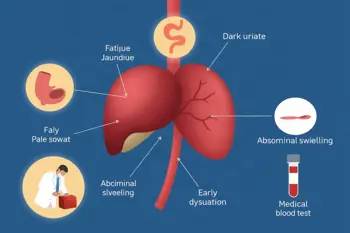
Swelling in the abdomen, ankles, legs, or feet can occur in more advanced liver disease. Abdominal fluid accumulation is called ascites, while swelling in the limbs is referred to as edema. Changes in blood circulation, reduced protein production, and fluid retention can contribute to these findings. Spider angiomas and reddened palms may also occur in chronic liver disease, but neither finding is diagnostic by itself. 8
- Abdominal enlargement may reflect fluid accumulation rather than ordinary weight gain.
- Persistent leg or ankle swelling can have cardiac, kidney, medication-related, or liver-related causes.
- Visible skin findings require clinical context and should not be used as a standalone diagnosis.
Confusion and emergency warning signs
Confusion, difficulty concentrating, unusual sleepiness, personality changes, or difficulty staying awake can occur when toxins affect the brain, a complication known as hepatic encephalopathy. These mental changes require prompt medical assessment, especially when they are new or worsening. Severe liver dysfunction may also involve marked jaundice, bleeding, vomiting blood, very dark tar-like stool, or a sensation of not getting enough air. 9
Vomiting blood, black tar-like stool, severe confusion, difficulty staying awake, or new jaundice should be treated as emergency warning signs. Liver UK advises attending a hospital emergency department or calling 999 for these symptoms, although they can also result from causes other than cirrhosis. Acute liver failure can develop rapidly, while chronic liver failure generally follows longer-term injury, so the speed of symptom development is clinically important. 10
How suspected liver dysfunction is evaluated
Assessment typically begins with a medical history and physical examination, followed by blood tests that evaluate liver-related enzymes, bilirubin, proteins, and other indicators of organ function. Testing may also help identify viral, autoimmune, metabolic, medication-related, or alcohol-related causes. A single abnormal result does not necessarily establish liver disease, and interpretation depends on the degree of abnormality, symptoms, previous results, and the overall clinical picture. 11
Imaging may be used to examine liver structure, bile ducts, blood flow, fat accumulation, or signs of scarring. Depending on the suspected condition, clinicians may order additional liver-specific tests or, in selected cases, a liver biopsy. Because early liver disease may produce no symptoms, routine medical review can identify abnormal results before complications such as jaundice, fluid accumulation, bleeding, or confusion appear. 12
- Persistent or unexplained symptoms merit discussion with a healthcare professional.
- New jaundice, confusion, bleeding, black stool, or severe drowsiness requires emergency assessment.
- Symptoms should be interpreted alongside laboratory findings, imaging, medication history, and risk factors.
Sources
- Liver UK, Symptoms of liver disease
- National Institute of Diabetes and Digestive and Kidney Diseases, Cirrhosis: Symptoms and Causes
- Mayo Clinic, Cirrhosis: Symptoms and Causes
- Cleveland Clinic, Liver Disease
- MedlinePlus, Liver Disease
- U.S. Department of Veterans Affairs, Cirrhosis Symptoms
- Johns Hopkins Medicine, Liver Disease
- American Liver Foundation, Symptoms of Liver Disease
- British Liver Trust, Liver Disease
- NHS, Cirrhosis Symptoms
- American College of Gastroenterology, Abnormal Liver Chemistries
- Liver UK, Symptoms and Testing Guidance
Authored by MyTrendSpot team