Natural remedies for fatty liver: Clinical insights on lifestyle-based management
Metabolic dysfunction-associated steatotic liver disease (MASLD), formerly known as nonalcoholic fatty liver disease (NAFLD), is a condition characterized by the accumulation of excess fat within liver cells 2. Affecting approximately 32% to 38.9% of the global adult population, it represents a significant and silent healthcare burden that often progresses without early symptoms 3, 4, 8. Because there are limited pharmacologic treatments currently approved, clinical management relies heavily on lifestyle modifications and nutritional strategies to reduce hepatic fat and improve metabolic markers 2, 7, 8.
Weight Management as a Primary Clinical Intervention
The most widely accepted clinical approach to reversing hepatic steatosis involves significant weight reduction through diet and increased physical activity 2, 4. Research indicates that losing 3% to 5% of total body weight is sufficient to reduce overall liver fat, while a reduction of 7% to 10% is frequently associated with improved liver inflammation and the potential reversal of fibrosis or scarring 1, 2. Maintaining these changes is critical, as obesity, type 2 diabetes, high cholesterol, and hypertension remain the primary metabolic drivers of the disease 1, 2.
Dietary Patterns and Nutritional Adjustments
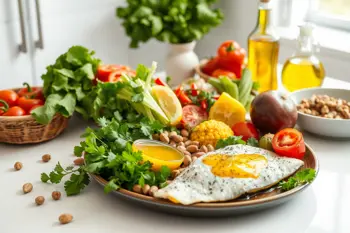
Adopting a Mediterranean-style diet is among the most evidence-supported nutritional strategies for those managing fatty liver disease 1, 4. This dietary pattern emphasizes whole, plant-based foods, lean proteins, and healthy fats while minimizing processed foods and added sugars, particularly fructose 3, 10. Furthermore, clinicians often suggest that increasing moderate coffee consumption may be beneficial, as research has linked habitual intake to a reduced risk of liver fibrosis and cirrhosis in patients with NAFLD 1, 10. Consistent dietary habits are more effective than temporary detox protocols, which often lack clinical backing 6.
The Role of Physical Activity
Physical activity serves as an independent therapeutic tool in the management of MASLD 4. Clinical data suggests that regular aerobic exercise and resistance training can effectively decrease intrahepatic triglyceride content, even in instances where significant total body weight loss is not immediately achieved 10. By improving insulin sensitivity and reducing metabolic stress, consistent exercise contributes to the structural repair and maintenance of liver health 4, 8. A combination of cardiovascular exercise and strength-building movements is typically recommended for optimal metabolic outcomes 3.
Evaluating Common Supplements and Botanicals
While various supplements are frequently utilized to support liver function, their efficacy remains subject to ongoing clinical investigation 8. Some evidence suggests that Omega-3 fatty acids may assist in lowering liver fat levels and improving blood lipid profiles 8, 10. Curcumin, a compound derived from turmeric, has also demonstrated potential in reducing markers associated with liver injury and fat accumulation 7, 10. Additionally, Vitamin E at a dosage of 800 IU/day is sometimes recommended for non-diabetic patients with biopsy-proven steatohepatitis to mitigate inflammation, though it should be taken under medical supervision 10.
| Approach | Mechanism of Action | Primary Goal |
|---|---|---|
| Weight Loss (7-10%) | Reduces systemic metabolic load | Decrease inflammation/scarring |
| Mediterranean Diet | Modulates insulin/lipid metabolism | Reduce intrahepatic fat |
| Aerobic Exercise | Increases insulin sensitivity | Decrease triglyceride content |
| Omega-3 Intake | Anti-inflammatory lipid support | Improve lipid profile |
Safety Considerations and Regulatory Oversight
It is essential for individuals to recognize that not all supplements or herbal remedies are inherently safe or effective for every patient 1. For instance, while green tea extracts contain catechins that may assist in liver health, high doses have been linked to potential liver toxicity in some individuals 10. Similarly, the efficacy of milk thistle, or silymarin, remains inconsistent in clinical studies, and results regarding its ability to reverse fatty liver disease are limited 8, 10. Consultation with a primary care physician or a liver health specialist is necessary before beginning any new regimen to ensure compatibility with personal health histories and existing medications 1, 4.
Understanding Disease Progression
Understanding the stages of MASLD is vital for effective management. The condition often begins as simple steatosis and, if left unaddressed, may progress through a spectrum that includes metabolic dysfunction-associated steatohepatitis (MASH), fibrosis, cirrhosis, and potentially liver failure 2, 8. Because the liver can often maintain normal function during early-stage damage, many individuals do not exhibit symptoms until the disease has significantly progressed 6. Early identification of metabolic risk factors and active lifestyle management are the most effective methods currently available to prevent the transition of the disease to more critical states 4, 6.
Sources
- Healthline: Natural Remedies for Fatty Liver Disease
- Mayo Clinic: Self-care for fatty liver disease (MASLD)
- Verywell Health: 8 Simple Remedies for Managing Fatty Liver Disease
- NDTV Health: 5 Effective Home Remedies For Fatty Liver
- Frontiers in Pharmacology: Therapeutic potential of botanicals
- Liver Foundation: Liver Disease Diets
- Frontiers in Nutrition: Clinical trial of an ayurvedic nutraceutical
- Today’s Practitioner: Supplements for Fatty Liver
- SciOpen: Progress in the study of medicinal plants
- General Clinical Research Data: Consensus on lifestyle and metabolic interventions
Authored by MyTrendSpot team