Ways to Manage Headaches at Home: Evidence-Based Relief and Safety Guidance
Start by Identifying the Headache Pattern
A brief assessment can help determine which home measure is most reasonable. A familiar, mild-to-moderate headache that feels dull, tight, or band-like is more consistent with a tension-type pattern, while one-sided throbbing pain with nausea or sensitivity to light and sound is more suggestive of migraine. Neck, jaw, or shoulder tightness, missed meals, poor sleep, alcohol, caffeine changes, and extended screen use can also provide useful context. 1
Home treatment is most appropriate when symptoms resemble previous headaches and are not rapidly worsening. Headaches are common and most are not signs of a dangerous condition, but recurrent pain can interfere substantially with work, family responsibilities, and social life. A headache diary recording timing, location, intensity, associated symptoms, sleep, food, fluids, stress, and medicines can reveal patterns without requiring self-diagnosis. 26
Hydration, Food, and Sleep
Dehydration, irregular eating, and inadequate sleep are recurring headache triggers. Drinking fluids regularly may reduce headache frequency, severity, and duration for some people. A light, balanced meal can be useful after a long gap without food, since low blood sugar may contribute to symptoms. Regular meal timing is particularly relevant for people who notice migraine after changes in routine. 236
Sleep habits also affect prevention. Cedars-Sinai recommends aiming for seven to eight hours each night and keeping bedtime and wake time consistent. The guidance also describes avoiding screens for an hour before bed and finishing food several hours before sleeping. Oversleeping may trigger migraine for some people, so consistency is generally more useful than compensating with highly irregular sleep schedules. 36
Use a Quiet Environment and Temperature Therapy
Reducing sensory stimulation can be especially helpful during migraine symptoms. Resting in a dark, quiet room may lessen discomfort associated with light and sound sensitivity, while a cool cloth or cold pack placed over the forehead or eyes can provide temporary relief. A cold application should be comfortable rather than painfully intense, and the skin should be protected from direct prolonged contact with ice. 52
Heat may be better suited to headaches involving muscle tightness. Warm showers, baths, heating pads, or warm compresses can relax tense neck and scalp muscles, while gentle massage of the head and neck may also help. Some people respond better to cold, others to warmth, and the choice depends on the suspected pattern. Steam may feel soothing when facial pressure accompanies congestion, although evidence for steam as a general sinus treatment is limited. 75
Reduce Stress and Physical Tension
Stress, anxiety, poor posture, and sustained muscle tension can contribute to tension-type headaches. Slow breathing, meditation, and progressive muscle relaxation are practical techniques that can be performed at home. Progressive relaxation involves tightening and then releasing muscle groups one at a time, helping a person notice and reduce unnecessary tension in the shoulders, jaw, neck, and scalp. 27
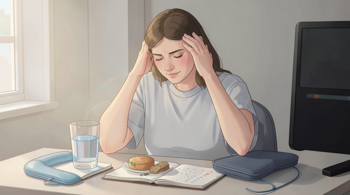
Screen-related strain and prolonged hunched posture may also aggravate head and neck discomfort. Breaks from screens, gentle movement, and attention to neck and shoulder position can address these contributing factors. For prevention, regular aerobic activity such as walking, biking, or swimming has been associated with fewer migraine days, with Cedars-Sinai describing a goal of about 150 minutes weekly. Exercise should be introduced gradually if activity itself has triggered symptoms before. 35
Consider Medicines and Supplements Carefully
For a familiar mild or moderate headache, over-the-counter options may include acetaminophen, ibuprofen, naproxen, or aspirin, provided the person can take them safely and follows the product label or a clinician's instructions. Aspirin, ibuprofen, and naproxen can irritate the stomach. Acetaminophen requires particular caution with liver disease, alcohol use, and total daily dosing; MedlinePlus warns not to exceed 4,000 milligrams per day. 17
Frequent medicine use can create a rebound or medication-overuse pattern. MedlinePlus notes that taking pain medicine more than three days per week regularly can lead to headaches that keep returning. Caffeine is similarly complex: a small amount may help some headaches, but excessive use or sudden withdrawal may provoke symptoms. Ginger tea or supplements may help migraine-associated nausea, while magnesium may reduce migraine frequency for some people, but supplements can interact with conditions or medicines and merit professional advice. 712
Prevent Recurrence and Recognize Warning Signs
Prevention depends on identifying personal triggers rather than applying one universal remedy. A diary can connect headaches with sleep disruption, skipped meals, dehydration, stress, alcohol, certain foods, posture, weather, hormonal changes, or caffeine changes. Avoiding smoking and alcohol may help some people, while maintaining consistent sleep, meals, fluid intake, and physical activity can reduce avoidable disruptions. Headaches that become more frequent, stop responding to usual measures, or regularly affect daily activities should be assessed by a healthcare professional. 137
Urgent medical evaluation is warranted for a sudden, severe headache, especially when it reaches maximum intensity at once, or when headache occurs with neurological symptoms. Repeated vomiting, confusion, weakness, unusual dizziness, or major changes from a person's established headache pattern should not be managed solely at home. Cluster headaches are rare but can cause sudden, intense pain in cycles. Persistent, worsening, episodic, or chronic headaches also require clinical assessment because head pain can occasionally result from an underlying condition. 46
Sources
- The Well by Northwell, “How To Get Rid of a Headache”
- GoodRx, “How to Get Rid of a Headache: At-Home Treatments and Remedies”
- Cedars-Sinai, “Can Natural Remedies Ease Headache Pain?”
- UPMC HealthBeat, “How to Treat a Headache”
- Cleveland Clinic, “9 Ways To Relieve a Headache Naturally”
- Northwestern Medicine, “Better Ways to Help Relieve Headaches and Prevent Them”
- MedlinePlus, “Managing tension headaches at home”
Authored by MyTrendSpot team