Warning signs of thyroid disease you should know: A clinical guide to overlooked symptoms
The warning signs of thyroid disease you should know are often easy to mistake for stress, aging, or a demanding routine. Because thyroid hormones influence metabolism, heart rate, digestion, brain function, body temperature, and menstrual cycles, even modest changes can affect several systems at once. Symptoms alone cannot establish a diagnosis, but recurring or combined changes warrant discussion with a qualified clinician. 1
Why thyroid symptoms can appear throughout the body
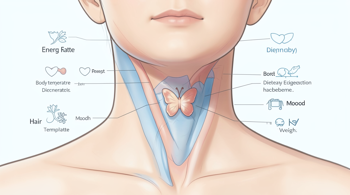
The thyroid is a small, butterfly-shaped gland in the lower front of the neck. It produces the hormones thyroxine, or T4, and triiodothyronine, or T3, which help regulate how quickly the body uses energy. These hormones also influence cardiac and digestive function, fertility, heat production, skin maintenance, and mood. As a result, thyroid dysfunction may look unrelated to the gland itself. 4
Thyroid disease generally involves either too little hormone, known as hypothyroidism, or too much hormone, known as hyperthyroidism. Hypothyroidism slows many body processes, while hyperthyroidism can place those processes into overdrive. Thyroid nodules, inflammation, and enlargement can also produce structural symptoms without following a simple underactive or overactive pattern. 3
Signs associated with an underactive thyroid
Hypothyroidism commonly produces persistent tiredness, sluggishness, difficulty thinking clearly, and increased sensitivity to cold. Other reported clues include unexplained weight gain or difficulty losing weight, dry skin, hair loss or thinning, constipation, and a slower general pace of physical function. These symptoms may develop gradually, making them easy to attribute to lifestyle changes or normal aging. 2
More advanced or pronounced hypothyroidism can be accompanied by a hoarse voice, puffy eyelids or face, dull facial expression, slow speech, and changes in fertility or digestion. Hypothyroidism is particularly common among older adults and women, although it can occur at any age. Hashimoto thyroiditis is identified in the research as the most common cause of primary hypothyroidism in the United States. 8
Signs associated with an overactive thyroid
Hyperthyroidism may cause unintentional weight loss, a rapid heartbeat, palpitations, hand tremors, anxiety, irritability, heat intolerance, and excessive sweating. Some people also experience difficulty sleeping, diarrhea, or a sense that the body is continually running too quickly. A newly irregular heart rate is a symptom that deserves medical assessment because it may have causes beyond thyroid disease. 2
Muscle weakness and tremors are recognized physical indicators of an overactive thyroid, while anxiety and irritability may reflect its effects on the nervous system. Untreated excess thyroid hormone has been associated in the supplied research with serious consequences involving heart health and bone strength. The presence of one symptom does not confirm hyperthyroidism, but several occurring together create a stronger reason for testing. 6
Changes in appearance, digestion, and reproductive health
Visible or physical changes can provide additional clues. Dry, coarse skin and brittle or thinning hair are often reported with an underactive thyroid, while muscle weakness, tremors, and increased sweating may occur with an overactive thyroid. Bowel patterns can also shift: constipation is associated with hypothyroidism, whereas diarrhea may accompany hyperthyroidism. These signs remain nonspecific and can result from many other conditions. 2
Thyroid dysfunction can affect menstrual cycles, including changes in regularity, frequency, or bleeding patterns. The thyroid also has roles in fertility and reproductive function. A neck lump, swelling, hoarseness, or difficulty swallowing may point to a goiter or thyroid nodule rather than a hormone imbalance alone. Rapid neck enlargement or breathing difficulty requires prompt medical attention because structural problems can affect the airway. 7
Who may overlook symptoms and why
Thyroid disease is common but frequently unrecognized. The supplied clinical sources report that more than 12 percent of people in the United States develop a thyroid condition during their lifetime, while up to 60 percent of people with thyroid disease may be unaware of it. Women are reported to be five to eight times more likely than men to have thyroid problems. 2
Diagnosis can be especially difficult in older adults because classic symptoms may be less noticeable or may resemble ordinary aging. Fatigue, changes in weight, sleep disruption, mood changes, and cognitive slowing can therefore be overlooked. Family history and autoimmune conditions may also be relevant, since several thyroid disorders are autoimmune in origin. Symptoms should be considered as a pattern rather than as isolated proof of disease. 5
How clinicians evaluate possible thyroid disease
Evaluation usually begins with a medical history and physical examination, followed by blood testing. The thyroid-stimulating hormone, or TSH, test is commonly used as an initial measure. An elevated TSH generally suggests an underactive thyroid, while a very low TSH generally suggests an overactive thyroid. Clinicians may also assess thyroid hormone levels and determine whether additional testing is appropriate. 6
Ultrasound may be considered when examination identifies a lump, enlargement, or other structural concern. Treatment depends on the underlying cause and may involve monitoring, medication, or selected procedures. Severe palpitations, breathing difficulty, rapid neck swelling, or major thyroid-related changes during pregnancy are reasons for prompt professional evaluation. Because symptoms overlap with anemia, medication effects, stress, and other illnesses, self-diagnosis is unreliable. 7
Practical interpretation of warning signs
A single symptom, such as tiredness or weight change, is not specific enough to identify thyroid disease. A more informative pattern is the combination of several changes, such as fatigue with cold intolerance, constipation, dry skin, and weight gain, or weight loss with palpitations, tremor, sweating, and heat intolerance. Recording when symptoms began and whether they are worsening can help organize a clinical discussion. 1
The central risk is allowing persistent symptoms to remain unexplained when a treatable thyroid disorder may be involved. At the same time, not every change indicates thyroid dysfunction, and unnecessary supplementation or medication can create additional health risks. Testing, rather than symptom matching alone, is the appropriate way to distinguish hypothyroidism, hyperthyroidism, structural thyroid disease, and unrelated conditions. 4
Sources
- The Well by Northwell, “How to Know If You Have a Thyroid Problem”
- Ochsner Health, “What Are the Early Warning Signs of Thyroid Problems?”
- UChicago Medicine AdventHealth, “Thyroid Disease Warning Signs”
- NewYork-Presbyterian Health Matters, “What Are the Signs and Symptoms of Thyroid Disease?”
- AARP, “What Are the Warning Signs of a Thyroid Disorder?”
- Prevention, “Doctors Explain Signs You May Have a Thyroid Problem”
- Acibadem Hospitals Group, “Thyroid Symptoms: Common Causes, Related Conditions, and When to See a Doctor”
- Merck Manual Consumer Version, “Hypothyroidism”
Authored by MyTrendSpot team